
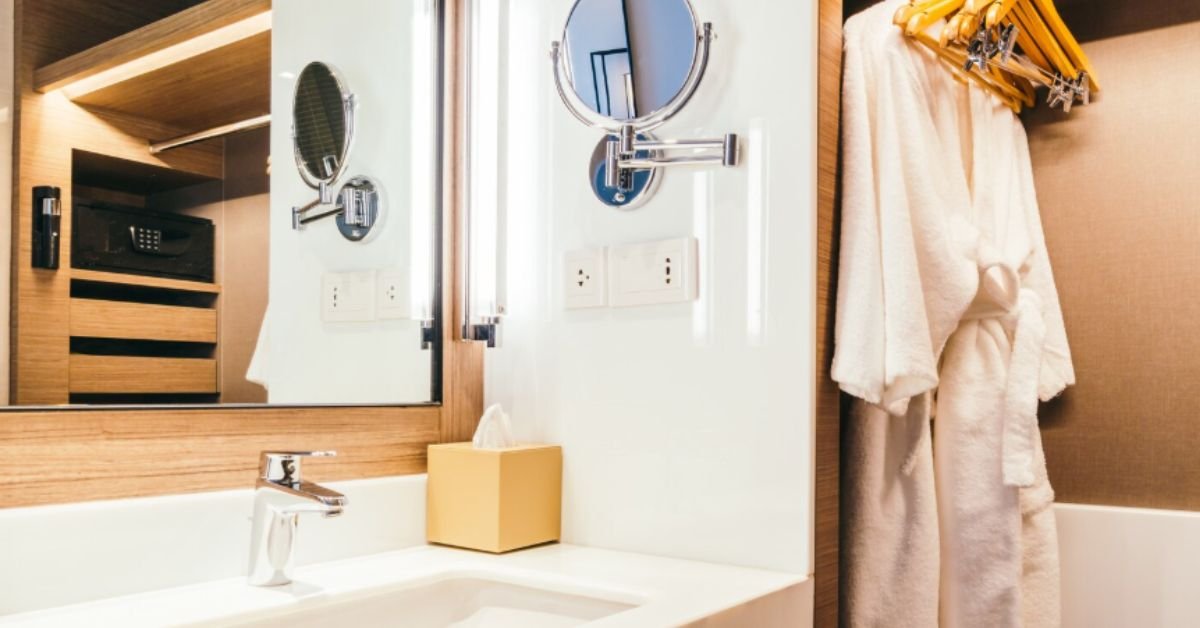
Choosing the right bathroom vanity in Toronto means balancing style, storage, and spatial constraints. Your vanity serves as the focal point of your bathroom while providing essential storage for toiletries, towels, and cleaning supplies. So, choosing the wrong type of vanity is sure to create daily frustrations with inadequate storage or wasted floor space.
Toronto homes present unique design challenges. Older properties often feature smaller bathrooms with quirky layouts, while modern condos prioritize vertical space over square footage. Meanwhile, heritage homes demand vanities that respect architectural character while meeting contemporary needs. Climate considerations also matter, as humidity fluctuations affect different materials differently.
This guide examines nine vanity types suited to Toronto bathrooms. Here, you’ll discover which styles maximize small spaces, which materials withstand humidity best, and which designs offer the best value. Each section provides specific measurements, material recommendations, and practical insights to inform your decision.
Understanding Your Vanity Options: A Complete Breakdown
Selecting a bathroom vanity for your Toronto home involves more than just aesthetics. You need to consider your bathroom’s dimensions, plumbing configuration, and storage requirements. The following nine types represent the most popular and practical options for Toronto homeowners.
Type 1: Floating Wall-Mounted Vanities
Wall-mounted vanities attach directly to your bathroom wall without touching the floor. This design creates an illusion of more space, making them ideal for compact Toronto condos. The exposed floor underneath simplifies cleaning and visually expands small bathrooms.
Installing this style of vanity requires solid wall studs capable of supporting its weight plus contents. Typical wall-mounted vanities measure 24 to 48 inches wide and 18 to 21 inches deep. They work best in bathrooms with concrete or reinforced walls rather than hollow drywall.
Storage capacity is the main limitation of floating vanities. Most models offer one or two drawers with limited depth. Consider open shelving beneath the vanity for additional towel storage. These units pair well with vessel sinks or integrated countertops for a sleek, contemporary look.
Type 2: Freestanding Pedestal Vanities
Freestanding vanities rest on legs or a pedestal base, combining furniture-style aesthetics with bathroom functionality. They range from 30 to 72 inches wide, accommodating single or double sink configurations. The open space beneath the vanity provides visual lightness without the installation complexity of wall-mounted units.
These vanities suit Toronto’s heritage homes beautifully. Traditional designs feature turned legs and decorative aprons that complement Victorian or Edwardian architecture. Contemporary versions use clean-lined metal legs and minimalist profiles for modern spaces.
Maintenance is straightforward since you can access plumbing easily beneath the unit. However, the open design means less concealed storage than cabinet-style vanities. Plan for additional wall cabinets or shelving to supplement its storage capacity.
Type 3: Traditional Cabinet Vanities
Cabinet-style vanities remain the most popular choice for Toronto bathrooms. They feature enclosed storage from countertop to floor, maximizing usable space. Standard depths range from 18 to 24 inches, with widths from 24 to 72 inches, depending on your bathroom’s size.
Material selection significantly impacts durability and price. Solid wood cabinets offer longevity but require periodic sealing in humid environments. Engineered wood with waterproof coatings resists moisture damage at lower costs. Medium-density fiberboard (MDF) provides excellent value for guest bathrooms with lighter use.
Door configurations affect functionality. Full-height doors work well for storing tall bottles and cleaning supplies. Drawer-and-door combinations provide better organization for smaller items. Soft-close hinges and drawer glides prevent slamming and extend the lifespan of its hardware.
Type 4: Corner Vanities
Corner vanities transform awkward bathroom angles into functional space. They typically measure 24 to 36 inches along each wall, fitting neatly into 90-degree corners. This design proves invaluable in older Toronto homes, where bathrooms often occupy converted closets or oddly-shaped rooms.
Triangular and L-shaped configurations are most common. Triangular models suit tight corners but offer less counter space. L-shaped versions provide more work surface and storage but require more wall length. Both styles typically accommodate standard round or oval sinks.
Plumbing access requires careful planning with corner installations. Ensure adequate clearance behind the vanity for pipe connections. Some models feature diagonal backs that simplify plumbing while maintaining storage capacity. These vanities work exceptionally well in powder rooms and small en-suite bathrooms.
Type 5: Double Sink Vanities
Double sink vanities eliminate morning bathroom traffic jams in shared spaces. They require minimum widths of 60 inches, with 72 inches providing comfortable elbow room between sinks. Most Toronto master bathrooms can accommodate these dimensions, though careful measurement is essential.
Sink placement significantly affects usability. Center the sinks with at least 30 inches of counter space between them. This spacing allows two people to use the vanity simultaneously without bumping elbows. Undermount sinks maximize counter space, while vessel sinks add visual interest at counter height.
Storage configuration becomes crucial in double vanities. Individual drawer sets for each person prevent morning disputes over bathroom storage. Central drawers between sinks work well for shared items like hand towels and toiletries. Ensure that plumbing placement doesn’t compromise drawer depth or access.
Type 6: Vessel Sink Vanities
Vessel sink vanities feature countertop-mounted sinks that sit like bowls on the surface. This design elevates the sink 4 to 6 inches above the counter, requiring taller vanity bases or taller users to avoid awkward bending. Standard vessel vanity heights range from 30 to 36 inches.
These vanities create dramatic focal points in Toronto bathrooms. Glass, stone, and ceramic vessels come in countless colours and patterns. The exposed sink design demands more frequent cleaning than undermount options, as water spots and toothpaste splatters are highly visible.
Selecting the right faucet requires special attention with vessel sinks. Wall-mounted or tall deck-mounted faucets provide adequate clearance for handwashing. Standard faucets sit too low for comfortable use. Ensure your chosen faucet coordinates with your sink’s height and bowl depth.
Type 7: Vintage-Style Console Vanities
Console vanities blend open storage with vintage charm through exposed legs and metal frameworks. They typically feature porcelain or marble countertops supported by decorative metal or wood legs. Lower shelves provide towel storage while maintaining an airy, uncluttered appearance.
These vanities complement Toronto’s abundance of century homes and heritage properties. Reproduction styles echo early 1900s design while incorporating modern plumbing standards. Chrome, brass, and oil-rubbed bronze finishes coordinate with period-appropriate fixtures and lighting.
Practicality requires compromise when it comes to console vanities. The open design exposes all stored items to view, demanding tidy habits. Consider adding decorative baskets or bins to corral smaller items. The exposed plumbing must be aesthetically pleasing, potentially increasing installation costs.
Type 8: Modular Vanity Systems
Modular vanities consist of multiple components that can be mixed, matched, and reconfigured. Base cabinets, drawer units, open shelves, and tower cabinets combine to create custom configurations. This flexibility proves valuable in Toronto’s diverse housing stock, from condos to detached homes.
Planning modular systems requires careful measurement and visualization. Standard modules come in 12, 18, 24, and 36-inch widths. Combine units to fit your exact bathroom dimensions without gaps or awkward spaces. Mix closed cabinets for concealed storage with open shelving for decorative displays.
Installation complexity increases with modular systems. Each component must be levelled independently and secured properly. However, this approach allows future reconfiguration if your needs change. Add tower cabinets later or swap drawer units for open shelves without replacing the entire vanity.
Type 9: Custom Built-In Vanities
Custom bathroom vanities for your Toronto home offer unlimited design possibilities tailored to your exact specifications. Local Toronto cabinetmakers can create vanities that maximize every inch of available space. This approach works particularly well for bathrooms with unusual dimensions, angled walls, or specific storage requirements.
Budget considerations are significant with custom work. Expect to pay 50-100% more than comparable ready-made vanities. However, you’ll receive exactly what you need rather than compromising on size, style, or functionality. Custom vanities also allow you to select specific wood species, hardware, and finishes.
Timeline planning is essential for custom projects. Most custom vanities require six to twelve weeks from design approval to installation. Factor this timeframe into your renovation schedule. Rush orders may be possible, but often incur additional fees.
Selecting the perfect bathroom vanity in Toronto depends on your space, budget, and lifestyle needs. Each of these nine vanity types offers distinct advantages, from space-saving wall-mounted designs to luxurious custom builds. Ready to upgrade your bathroom? Consult with local bathroom design professionals to explore your options and find the ideal vanity for your Toronto home.

“In a world of instant takes and AI-generated noise, John Authers writes like a human. His words carry weight—not just from knowledge, but from care. Readers don’t come to him for headlines; they come for meaning. He doesn’t just explain what happened—he helps you understand why it matters. That’s what sets him apart.”