
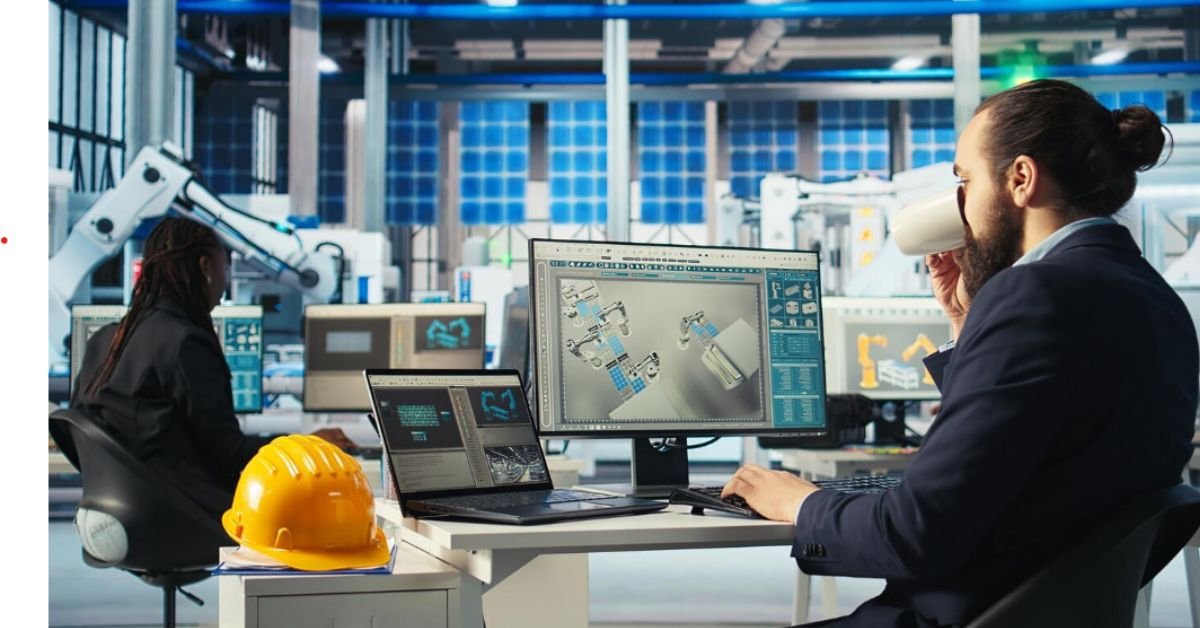
The creation enterprise is evolving at a rate never before visible. Rising cloth prices, tight assignment timelines, professional hard work shortages, and increasing customer expectations are pushing corporations to undertake smarter and greener answers. Traditional workflows on my own can no longer aid in the complexity of current digital projects. This is where artificial intelligence is reshaping how construction groups plan, analyze, and execute projects.
AI-powered production intelligence brings together fact analytics, automation, and predictive insights to improve decision-making at each venture level. From early planning to the very last shipping, digital intelligence is turning into the backbone of aggressive creation operations.
How Construction Estimators Fit into AI-Driven Project Intelligence
In today’s virtual-first environment, value-making plans have shifted from static spreadsheets to dynamic, statistics-powered structures. AI-driven construction intelligence lets professionals analyze historical data, construction estimators, marketplace developments, and mission variables concurrently, generating faster and greater dependable fee insights.
By integrating AI fashions into preconstruction workflows, teams can discover fee risks early, simulate multiple situations, and respond proactively to adjustments. This reduces price range overruns and improves financial self-belief before ground is even broken. Automation additionally minimizes human mistakes while allowing teams to focus on strategic decision-making rather than repetitive calculations.
Another key gain is adaptability. AI structures continuously learn from completed initiatives, which means cost forecasting becomes more accurate over time. This adaptive intelligence helps smarter bidding strategies and improves overall venture profitability.
Data Accuracy and Risk Reduction Through Intelligent Cost Modeling
Accurate information is the muse of successful construction planning. AI-pushed intelligence techniques on big datasets in real-time, ensuring that fabric portions, labor necessities, and scheduling elements are aligned with real-world situations.
Advanced analytics help discover styles that could otherwise go noted, which include recurring fee overruns or productivity bottlenecks. With these insights, teams can mitigate risks earlier than they expand into foremost financial or scheduling problems.
Predictive modeling additionally complements transparency. Stakeholders gain clearer visibility into capability results, which builds agreement and improves collaboration across groups. As a result, results are completed with more certainty, reduced waste, and optimized aid usage.
Digital Design Evolution Through CAD drafting services Integration
Modern construction projects demand precision, coordination, and velocity. Intelligent digital layout systems powered by means of AI improve accuracy with the aid of aligning layout purpose with real-time assignment records. This creates a continuing bridge between planning and execution.
AI-assisted drafting allows quicker revisions, clash detection, and layout optimization without disrupting workflows. Design groups can speedily check alternatives, refine layouts, and ensure compliance with project requirements. This not simplest saves time but also appreciably reduces rework at some stage in production.
When integrated into broader virtual ecosystems, intelligent layout gear enhances coordination between disciplines. Structural, architectural, CAD drafting services, and mechanical components align more efficaciously, resulting in smoother venture delivery and fewer on-site conflicts.
Automation and Collaboration in Smart Construction Workflows
AI-optimized construction estimating services intelligence transforms how groups collaborate. Automated workflows put off manual handoffs, ensuring that updates are shared immediately across systems. This actual-time collaboration continues with each person aligned, from planners and architects to website managers.
Automation also complements scheduling accuracy via adjusting timelines primarily based on stay records inputs, inclusive of climate conditions, delivery chain adjustments, or workforce availability. This responsiveness lets groups preserve momentum even when challenges arise.
As digital workflows mature, production corporations benefit from a competitive advantage through faster shipping, improved best manipulate, and greater customer satisfaction.
Final Thoughts
AI-optimized creation intelligence is no longer non-obligatory—it is vital for modern-day virtual projects. By leveraging clever statistics analysis, automation, and predictive insights, production teams can deliver initiatives with more accuracy, performance, and self-belief.
As the era keeps to conform, firms that embrace AI-driven workflows will be better positioned to conform to market changes, lessen danger, and attain sustainable growth in an more and more aggressive industry.
Frequently Asked Questions (FAQs)
1. How does AI improve construction project planning?
AI analyzes historical and real-time data to predict costs, schedules, and risks, allowing teams to make informed decisions early.
2. Is AI suitable for small construction firms?
Yes, scalable AI tools can benefit firms of all sizes by improving accuracy, efficiency, and cost control.
3. Does AI replace human expertise in construction?
No, AI enhances human decision-making by providing data-driven insights, not replacing professional judgment.
4. Can AI reduce project delays?
Yes, predictive scheduling and automated adjustments help identify delays early and optimize timelines.
5. How secure is construction data in AI systems?
Most modern AI platforms use advanced security protocols to protect sensitive project data and ensure compliance.

The terpene – [url=https://terpenewarehouse.com/products/real-banana-intenza-terpenes ]natural real banana[/url] delivers a clear, botanical redolence with remarkable bottomless pit and character. Each note blends as a consequence, creating a discriminating also nett slightly than a isolated outstanding scent. The yield arrived extravagantly packaged, with elaborate descriptions included. It feels consistent and professionally made, with attribute clear from premier indentation to closing use.
This CBD lubricator and best Delta 9 Beer stands in because of its cagey flatten configuration and balanced taste. The keep in check forge is fawning and everyday, and the dropper works precisely without dripping. It feels like a well-crafted merchandise мейд with publicity to aspect, from labeling to packaging.
https://888starz.net.co/
888Starz Colombia representa un establecimiento virtual de juegos de azar y apuestas deportivas que reune mas de 9.500 juegos, entre los que se incluyen slots, mesas de crupier en directo asi como una extensa oferta deportiva que va desde la Liga BetPlay pasando por la Champions League y los esports.
magnificent submit, very informative. I wonder why the opposite experts of this sector don’t realize this. You must proceed your writing. I am sure, you have a great readers’ base already!