
Key Takeaways
- Asphalt shingles are affordable and easy to install, but have a relatively short lifespan.
- Metal roofs offer excellent durability and energy efficiency, but come with a higher upfront cost.
- Clay and concrete tiles boast longevity and fire resistance, but their weight requires extra structural support.
- Wood shingles provide natural beauty but demand maintenance and are less suitable in fire-prone regions.
- Slate roofing is the pinnacle of longevity and elegance, though expensive and heavy.
When it’s time to upgrade your home’s roof, selecting the best material can spell the difference between several decades of worry-free living and constant repairs and unexpected expenses. Various roofing materials are available today, each with its own strengths and aesthetic qualities. Making the correct choice protects your property and enhances its curb appeal and resale value. If you’re looking for guidance or local expertise, consider contacting a Colorado Roofing Company that understands the nuances of your area’s climate and can guide you through the selection and installation process.
The right decision depends on factors such as your local climate, architectural style, and budget—alongside longevity and environmental concerns. Many homeowners are surprised by the breadth of options, so it’s essential to evaluate the pros and cons of each material and how they fit your home’s unique requirements.
With modern advances, today’s roofing materials strike a balance between style and performance, making it easier to find a product that suits both your personal taste and practical needs. However, because roofing is a significant investment, it’s prudent to research and compare all available options, from classic asphalt shingles to advanced metal systems and timeless slate.
Asphalt Shingles: Affordable and Versatile
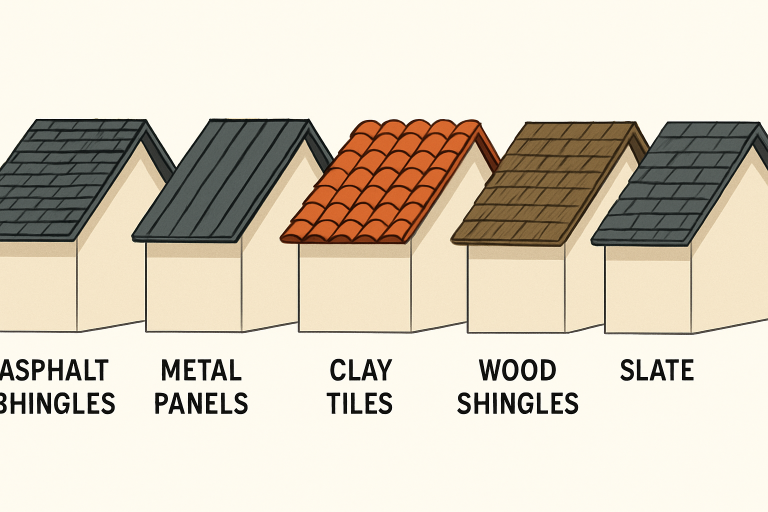
Asphalt shingles remain North America’s roofing staple, gracing roughly three-quarters of homes. They are affordable, easy to install, and available in a wide range of colors and textures that mimic slate, wood, or tile. Nevertheless, asphalt shingles typically last 15–30 years, which is shorter than other premium choices, and may be damaged by high winds or severe weather. Despite this, their budget-friendliness and ease of replacement make them a reliable go-to for many homeowners.
Metal Roofing: Durable and Energy-Efficient
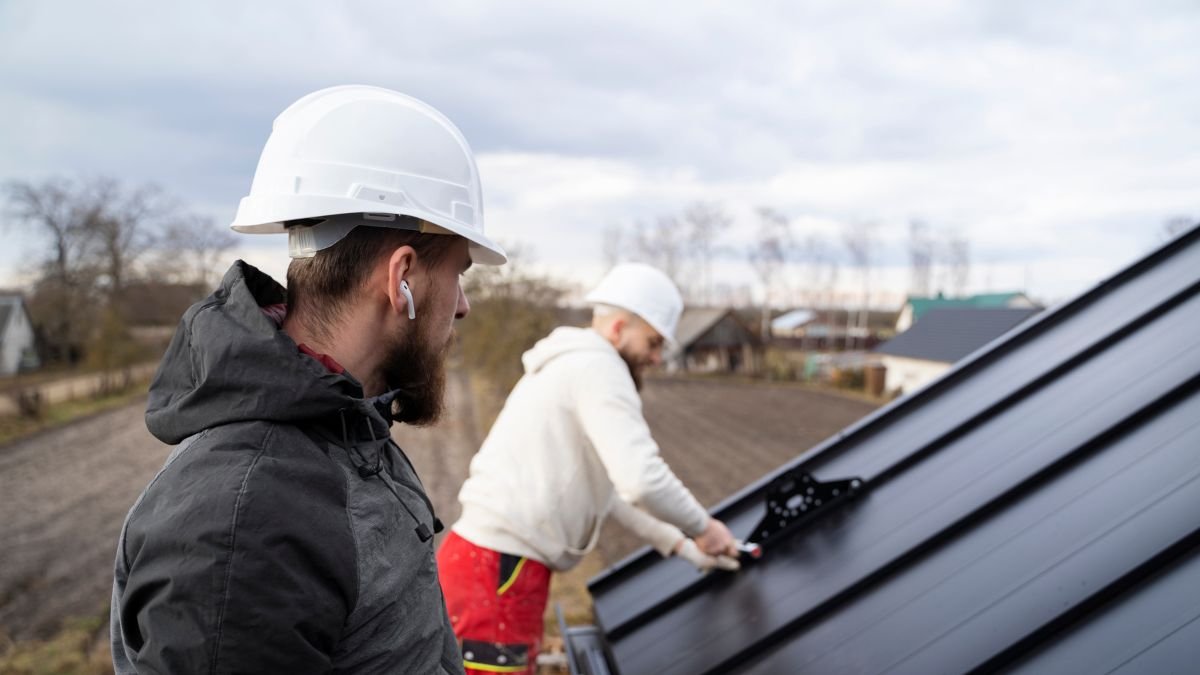
Offering a lifespan of 40 to 70 years, metal roofing is gaining popularity for its exceptional durability, weather resistance, and environmental benefits. These roofs reflect heat, lowering cooling bills throughout hot seasons, and are 100% recyclable at the end of their life cycle. Materials include steel, aluminum, and copper, all of which are resilient against fire, rot, and pest infestation. According to U.S. News Real Estate, while the initial cost of metal roofing can be higher than traditional materials, the long-term savings, energy efficiency, and reduced maintenance often make it a worthwhile investment. In regions susceptible to hail or heavy snow, metal roofing also provides added peace of mind.
Clay and Concrete Tiles: Timeless and Sturdy
For those seeking lasting style and substance, clay and concrete tiles offer durability that can exceed 50 years, particularly in climates without freeze-thaw cycles. Their iconic look complements Mediterranean, Spanish, and southwestern architecture, and they offer excellent fire and heat resistance. However, these tiles are heavy and often require a reinforced roof structure, which increases installation costs. Upkeep is minimal, but specialized repairs can be more costly than repairing asphalt shingles.
Wood Shingles and Shakes: Natural and Rustic
Wood shingles and shakes, often crafted from cedar, redwood, or pine, bring warmth and rustic appeal to cottages and historic homes. Homeowners looking to improve energy efficiency may find guidance on cool roofing options at Energy.gov, which are designed to reflect more sunlight and absorb less heat. When maintained, wood shingles can endure up to 50 years and provide natural insulation. On the downside, wood is less fire-resistant unless specially treated, making it unsuitable for some areas. Regular maintenance is necessary to prevent rot, mold, and insect damage, and some regions have building code restrictions due to fire risks, so check local regulations before choosing wood roofing.
Slate Roofing: Elegant and Long-Lasting
Slate is revered for its timeless beauty, impeccable durability, and unique texture—potentially lasting over 100 years. It is impervious to fire, water, and pests, making it one of the most robust options on the market. The main drawbacks are its significant weight—often requiring extra support structures—and its premium price point. Slate’s natural variations ensure each roof is distinct and visually compelling, making it an excellent choice for luxury or historic properties.
Factors to Consider When Choosing Roofing Materials
- Climate: Ensure your roof material can withstand your area’s temperature swings, wind, snow, and sun exposure.
- Budget: Factor in both initial and ongoing maintenance costs, as well as expected lifespan.
- Home Style: Certain materials enhance different architectural designs.
- Local Building Codes: Always check for region-specific requirements or fire safety regulations.
- Environmental Impact: Consider sustainable, recyclable, or energy-saving roofing where possible to reduce your home’s footprint.
Conclusion
Choosing the best material for your residential roof replacement requires thoughtful consideration of durability, cost, home style, and regional conditions. By weighing the advantages and trade-offs of each option, homeowners can find a solution that complements their home’s appearance, aligns with their environmental values, and provides long-term protection—investing in a new roof is a wise, value-adding decision for years to come.
CLICK HERE FOR MORE BLOGhttps://globaltill.com/

MOBI ROLLER is a tech enthusiast with a background in technology. He writes about the latest trends, tools, and innovations in the tech world, sharing insights based on both knowledge and experience.
Для современных игр большое значение имеют производительная видеокарта и быстрый SSD. Хороший игровой пк позволит наслаждаться максимальными настройками графики без компромиссов.