
Key Takeaways
- Digital learning platforms have made education more accessible, adaptable, and personalized.
- Artificial intelligence is reshaping how individuals approach learning by providing tailored content and real-time feedback.
- Mobile learning, immersive technology, and microlearning are breaking down barriers and making lifelong learning more attainable for all.
- Partnerships between educational institutions and industries are strengthening workforce readiness.
- Challenges such as access and digital literacy remain, but ongoing technological advancements promise an inclusive and dynamic future for lifelong learners.
The Shift Towards Digital Learning Platforms
Technology continues to revolutionize lifelong learning, turning what used to be a rigid, classroom-bound experience into a highly flexible, accessible, and personalized one. Digital learning platforms now serve a broad audience, from working professionals upskilling for new roles to lifelong learners exploring areas of personal interest. These platforms allow individuals to progress at their own pace while providing a personalized educational journey. Modern solutions like MSU Innovative Learning demonstrate how institutions are adapting to meet these demands with technology-driven offerings that remove traditional barriers to education.
The value of these platforms extends beyond convenience. They facilitate engagement with interactive resources, forums, and real-time assessments, making quality education available to a global cohort. Learners are no longer bound by geography or time, and the integration of metrics enables more accurate tracking of progress than ever before.
Artificial Intelligence: A Game Changer in Education
Artificial Intelligence plays a pivotal role in redefining educational landscapes. By analyzing learner behavior and adjusting content delivery, AI ensures that each individual receives instruction suited to their strengths and weaknesses. This targeted approach improves both motivation and knowledge retention, enabling learners to master complex subjects at a comfortable pace.
Adaptive learning technology, for example, assesses a user’s current knowledge level and presents relevant material until mastery is achieved. It is especially useful for foundational learning and skills refreshment. Further, educators can use AI-powered analytics to identify gaps and refine their teaching methods for better outcomes.
Mobile Learning: Education at Your Fingertips
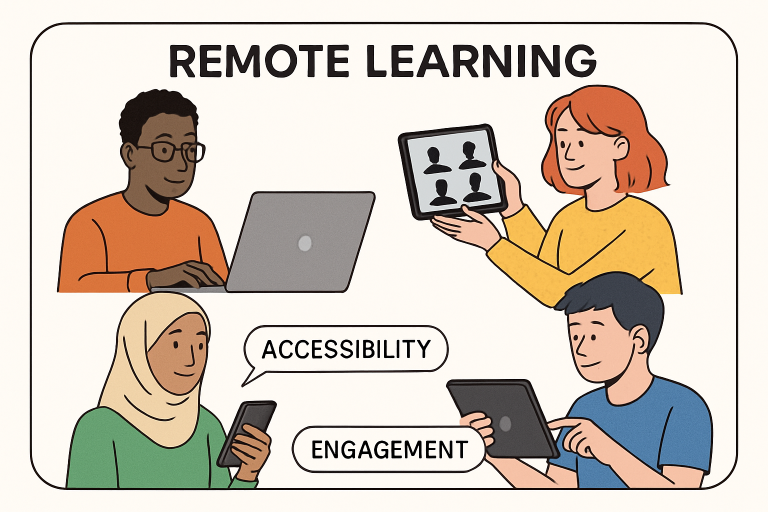
The widespread adoption of smartphones and tablets has driven the surge in mobile learning, making education truly on-demand. Mobile learning, or m-learning, provides countless opportunities for busy professionals, parents, and students to study whenever and wherever works best. Bite-sized content, including podcasts, video lessons, quizzes, and interactive apps, supports a wide spectrum of learning styles and needs.
This accessibility empowers learners who may face obstacles that make traditional education difficult, such as those balancing work and study or living in remote locations. As a result, the flexibility and inclusiveness of mobile learning are closing educational gaps worldwide.
Virtual and Augmented Reality: Immersive Learning Experiences
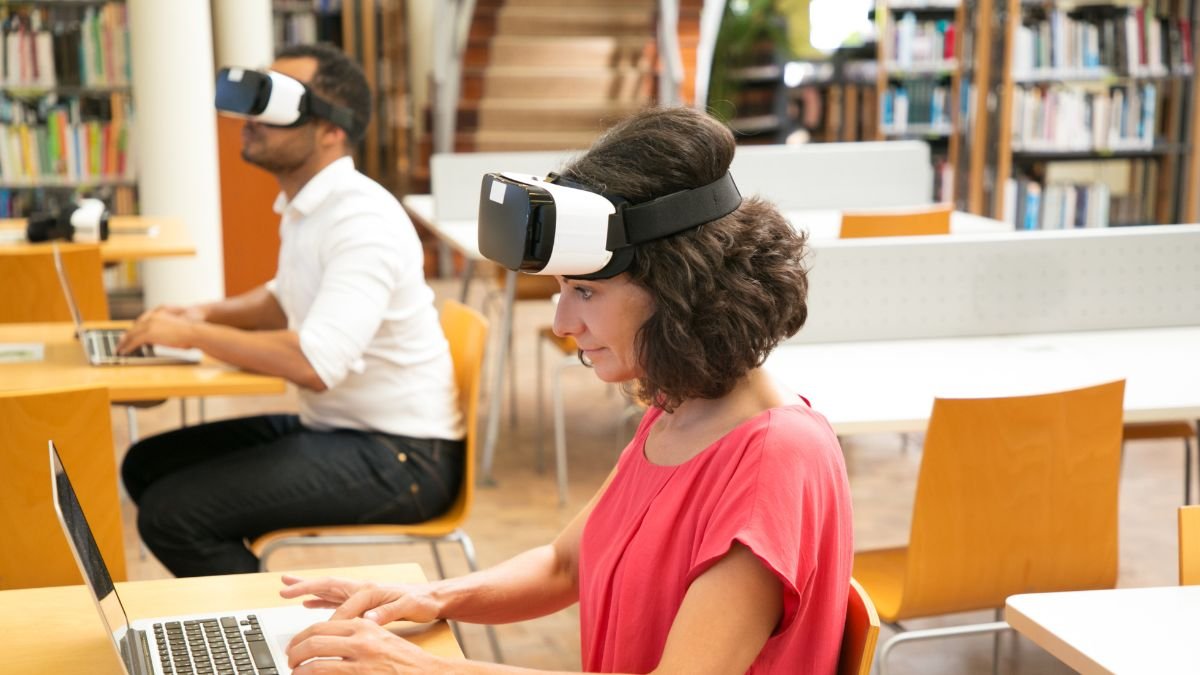
Virtual Reality (VR) and Augmented Reality (AR) are pushing the boundaries of engagement and practical skills development. These technologies create immersive, hands-on scenarios that mirror real-life situations, from practicing surgery to working through leadership challenges in a business simulation. Learners gain the confidence and expertise necessary to transition smoothly from training into real-world application.
While still gaining traction in mainstream education, VR and AR are increasingly integrated into professional development programs, particularly in fields demanding hands-on practice. Such immersive experiences increase learner retention and can help learners develop both technical and soft skills in a low-risk environment.
The Rise of Microlearning and Modular Credentials
Microlearning delivers concise, focused lessons that are easy to digest and revisit. Today’s learners, with their preference for targeted content, benefit from educational journeys tailored to a busy lifestyle. Whether in the form of five-minute tutorials or quick assessments, microlearning aligns perfectly with the demands of the modern workforce.
Alongside this trend, modular credentials, such as badges and digital certificates, enable individuals to demonstrate proficiency in specific skills. Employers increasingly recognize these credentials, which can be shared on professional networks and resumes, as valuable evidence of continuous learning and ability. This shift places greater value on skills and tangible accomplishments, supporting ongoing career growth. For instance, a recent study found that 90% of employers offer higher starting salaries, up to 15% more, for candidates with microcredentials.
Collaborations Between Educational Institutions and Industries
Educational institutions and private industry are forming strategic collaborations to ensure that students and employees develop the skills needed in the modern workforce. Universities are now working closely with companies to co-create curricula and executive programs that target real-world demands. These partnerships provide a direct link between academic theory and practical application, often including work placements, mentorships, and project-based assessments.
Such initiatives not only boost employability but also help ensure that learning remains relevant in fields where technology and best practices are evolving rapidly. For many professionals, these collaborations offer a vital pathway to reskill or upskill in response to industry shifts.
Challenges and Barriers to Lifelong Learning
Despite meaningful progress, technology-driven learning faces some persistent obstacles. Access to stable internet remains a barrier in underserved regions, while digital literacy is essential for those participating in online courses. Motivation is another hurdle; learners must be self-directed and proactive about their educational journey, which can be difficult without peer interaction or in-person support.
Stakeholders, including policymakers, educators, and technology providers, need to work together to address these challenges. Solutions include expanding community-based digital literacy programs, investing in internet infrastructure, and creating supportive online communities to foster accountability and encouragement.
The Future of Lifelong Learning in a Digital World
The role of technology in lifelong learning will only grow as AI, VR, and AR become increasingly sophisticated. These innovations point toward an exciting future in which learning is even more personalized, accessible, and relevant to ever-changing career demands. Skills-based education is gaining precedence over traditional degrees, giving individuals more opportunities for continuous growth and career mobility.
Embracing this digital transformation is essential for individuals striving to remain competitive and adaptable. Organizations and governments that foster lifelong learning through supportive policies and access to advanced educational technology will help build a more resilient, skilled global workforce.

MOBI ROLLER is a tech enthusiast with a background in technology. He writes about the latest trends, tools, and innovations in the tech world, sharing insights based on both knowledge and experience.