
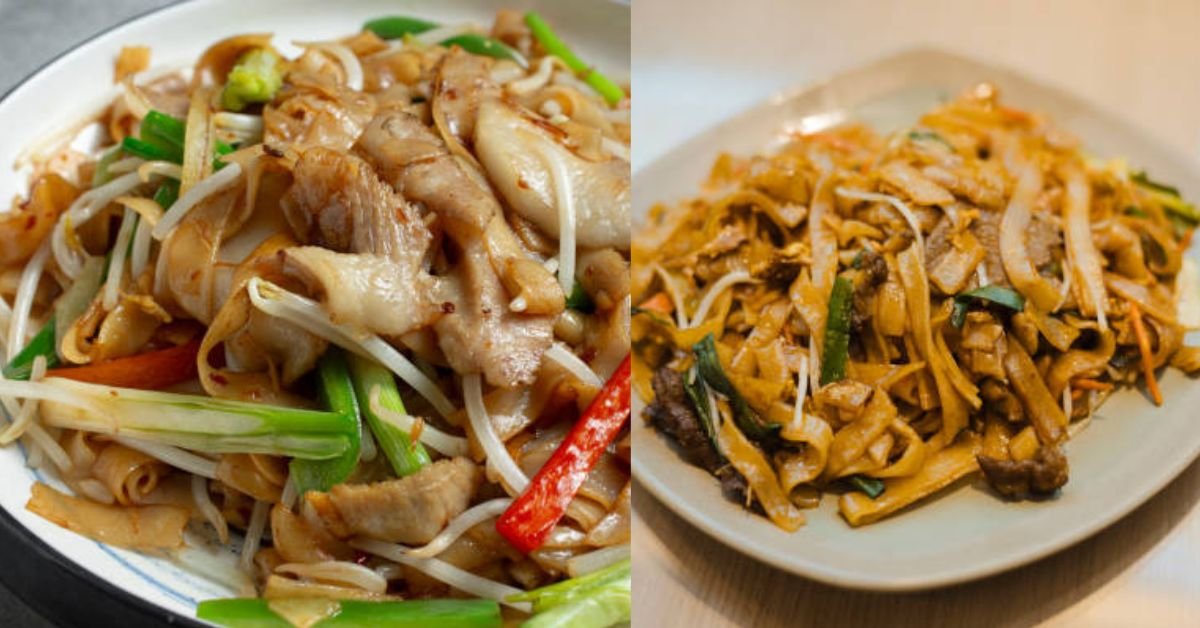
Beef chow fun at a Cantonese restaurant and wondered how they get the noodles so gloriously silky, the beef so impossibly tender, and the whole dish carrying that signature smoky depth you’re in the right place. This ultimate guide to chow fun noodles walks you through everything: the cultural roots, the essential ingredients, the chef-level secrets (yes, including wok hei at home), a foolproof recipe, troubleshooting tips, and delicious variations. Whether you’re a curious beginner or a seasoned home cook looking to master a Cantonese classic, this is the only resource you’ll need.
What Are Chow Fun Noodles? (乾炒牛河 Explained)
Chow fun noodles are one of the most iconic dishes in Cantonese cuisine a stir-fried noodle dish built around wide, flat rice noodles tossed with marinated beef, crisp bean sprouts, and green onions in a savory, umami-rich sauce. The dish is known for its bold simplicity: no heavy gravy, no complex spice blend, just high-heat technique and quality ingredients working in harmony.
Chow Fun vs. Ho Fun vs. Hor Fun
These three names all refer to the same type of flat rice noodle and by extension, dishes made with them. Ho fun (or hor fun) is the Cantonese name for the noodle itself, while chow fun means ‘stir-fried ho fun.’ You’ll see all three spellings on menus across Chinese restaurants in America, the UK, and Southeast Asia. Don’t let the naming variations throw you they’re the same delicious dish.
The ‘Dry’ Secret: Why It’s Called 乾炒 (Gon Chao)
The Chinese name 乾炒牛河 (gon chao ngau ho) literally translates to ‘dry-fried beef ho fun.’ The key word is dry unlike many noodle dishes that come drenched in sauce, chow fun noodles are cooked so the sauce coats the noodles in a thin, glossy layer rather than pooling at the bottom. This is a hallmark of authentic preparation and is achieved through high heat and precise timing.
A Brief History: From Guangdong to the World
The dish traces its roots to Shahe, a town in Guangzhou, Guangdong province the birthplace of ho fun noodles. Cantonese immigrants brought their food traditions to Chinese restaurants in America beginning in the 1940s and 50s, and beef chow fun quickly became a staple. Today it’s a beloved fixture at yum cha (dim sum) restaurants worldwide and a go-to takeout order for millions of people.
Essential Ingredients for the Best Chow Fun Noodles
Great chow fun starts at the market. Here’s a breakdown of every ingredient, what it does, and how to choose it wisely.
The Noodles: Fresh is Always Best
The foundation of the dish is fresh flat rice noodles (ho fun). Look for them refrigerated at Asian grocery stores they come as wide, folded sheets or pre-cut ribbons. Fresh noodles have a chewy, slippery texture that dried noodles simply can’t replicate after cooking.
Pro tip: Fresh noodles can stick together in the package. Before using, microwave them for 30–60 seconds, then gently massage and separate the strands by hand. This prevents them from clumping or tearing in the wok. Handle them with care they’re more fragile than you’d think.
If fresh noodles aren’t available, dried flat rice noodles work as a substitute. Soak them in room-temperature water for 30 minutes (not boiling), then drain before using. They’ll be slightly less silky but still delicious.

The Protein: Choosing and Prepping Your Beef
The best cuts for beef chow fun are flank steak, sirloin, or rump steak. All are lean, flavorful, and respond beautifully to the velveting marinade (more on that below). Avoid pre-cut ‘stir-fry beef’ from supermarkets it’s often too thick and the cut is inconsistent.
Slicing tip: Always slice beef against the grain into thin strips, about 1/4 inch thick. For easier slicing, place the steak in the freezer for 20–30 minutes until it’s firm but not frozen solid. This firms up the muscle fibers and makes ultra-thin, even slices effortless.
The Vegetables: Simple, Classic, and Essential
Bean sprouts provide the essential crunch and freshness that balances the rich, savory noodles. Green onions (scallions) add aromatic punch the white parts are added early for flavor, the green tops added at the end for color and freshness. A sliced yellow onion is optional but adds a subtle sweetness as it caramelizes in the wok.
The Sauce and Marinade: Building Layers of Umami
| Ingredient | Role | Amount (per 2 servings) |
| Light soy sauce | Saltiness, base savory flavor | 2 tbsp |
| Dark soy sauce / Tamari | Deep color, richer umami | 1 tbsp |
| Oyster sauce | Sweetness, depth, gloss | 1 tbsp |
| Sesame oil | Fragrant finish | 1 tsp |
| Shaoxing cooking wine | Complexity, removes gaminess | 1 tbsp |
| Cornstarch | Velveting (tenderizes beef, seals in juices) | 1 tsp |
| Baking soda | Alkalizes beef protein for max tenderness | 1/4 tsp |
| Sugar | Balance, enhances other flavors | 1 tsp |
| White pepper | Mild heat without spice | 1/4 tsp |
Note: Tamari makes an excellent gluten-free substitute for dark soy sauce. Combined with gluten-free oyster sauce, the entire dish can easily be made wheat-free without sacrificing flavor.
Chef’s Secret #1 The Art of Velveting Beef
Ever wonder why the beef in restaurant chow fun is impossibly tender never tough, never dry? The answer is a Chinese technique called velveting. It’s the single most impactful thing you can do to elevate your home cooking, and it’s easier than it sounds.
Why Velveting Works: The Baking Soda Science
Baking soda is the key. When applied to raw beef, it raises the pH on the meat’s surface, which weakens the protein bonds. This means the muscle fibers can’t tighten as aggressively when exposed to heat so instead of squeezing out moisture and turning tough, the beef stays tender and juicy even at the high temperatures of a screaming hot wok.
Cornstarch plays a supporting role: it coats the meat in a thin protective layer that seals in moisture during cooking, giving the beef a silkier texture.
Step-by-Step: The Perfect Beef Marinade
Follow these steps for perfectly velveted beef every time:
- Slice the beef thinly against the grain (1/4 inch strips).
- Water bath: Place sliced beef in a bowl with 2 tablespoons of water. Mix until the water is absorbed this pre-hydrates the meat.
- Add marinade ingredients: light soy sauce, oyster sauce, Shaoxing wine, sugar, white pepper, cornstarch, and baking soda. Mix thoroughly until fully coated.
- Rest: Let the beef marinate for at least 15–20 minutes at room temperature, or up to 2 hours in the fridge.
Chef’s Secret #2 Achieving Wok Hei at Home
Wok hei (literally ‘breath of the wok’) is that elusive smoky, slightly charred flavor that defines great stir-fried dishes. It comes from the Maillard reaction at extreme temperatures the kind of heat that restaurant kitchens achieve with massive BTU burners that dwarf a home stove.
But don’t be discouraged. You can get remarkably close with the right setup and technique.
The Right Tools
A carbon steel wok is strongly recommended. It heats faster, retains heat better, and develops a natural non-stick seasoning over time. If you don’t have a wok, use the largest, heaviest skillet you own cast iron is a solid backup. The goal is maximum surface area and excellent heat retention.
The 4 Rules for Wok Hei on a Home Stove
- Get the wok smoking hot first. Heat your wok over the highest heat your stove allows for 2–3 minutes before adding oil. It should be visibly smoking. This is non-negotiable.
- Work in batches. Overcrowding the wok drops the temperature instantly. Cook the beef in one layer, then remove it. Add the noodles in a separate step. Never pile everything in at once.
- Let things sear resist the urge to stir. Place the noodles flat in the wok and don’t touch them for 30–45 seconds. Let them develop golden-brown spots. That’s wok hei. Then toss.
- Move fast once everything is in. Wok hei is about rapid heat transfer. Once you add the sauce, everything comes together in under a minute.
The Recipe: Authentic Beef Chow Fun Noodles
This recipe serves 2 as a main dish (or 3–4 as part of a larger spread). Prep everything before you start cooking once the wok is hot, there’s no time to pause.
Ingredients
For the Beef Marinade:
- 300g (10 oz) flank steak, thinly sliced against the grain
- 1 tbsp light soy sauce
- 1 tsp oyster sauce
- 1 tbsp Shaoxing cooking wine
- 1 tsp cornstarch
- 1/4 tsp baking soda
- 1 tsp sugar
- 1/4 tsp white pepper
- 2 tbsp water
For the Stir-Fry Sauce:
- 1 tbsp light soy sauce
- 1 tbsp dark soy sauce (or tamari for gluten-free)
- 1 tbsp oyster sauce (or vegetarian oyster sauce)
- 1 tsp sesame oil
- 1 tsp sugar
For the Stir-Fry:
- 400g (14 oz) fresh flat rice noodles (ho fun), separated
- 1 cup bean sprouts
- 3 stalks green onions white and green parts separated, cut into 2-inch pieces
- 1/2 yellow onion, sliced
- 3–4 tbsp neutral oil (vegetable, canola, or avocado)
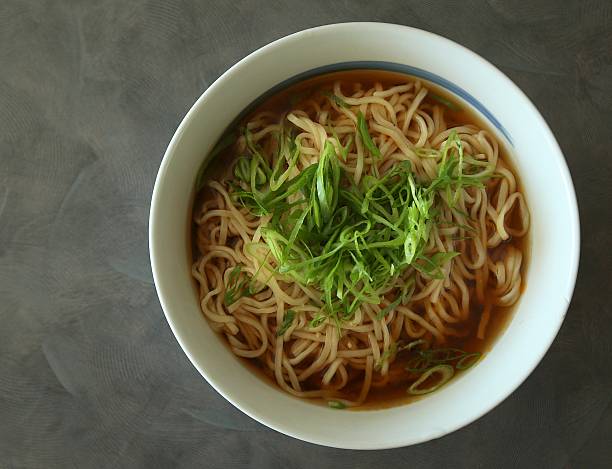
Step-by-Step Instructions
Prep time: 20 minutes Cook time: 10 minutes Total time: 30 minutes
- Marinate the beef. Combine all marinade ingredients with the sliced beef. Mix well until the liquid is absorbed. Set aside for at least 15 minutes.
- Prepare the noodles. Microwave fresh noodles for 30–60 seconds. Gently separate by hand into individual ribbons. Mix the stir-fry sauce in a small bowl and set aside.
- Sear the beef. Heat wok over high heat until smoking. Add 2 tbsp oil. Spread beef in a single layer and cook undisturbed for 60 seconds, then toss for another 30 seconds until just cooked through. Remove beef to a plate.
- Stir-fry the aromatics. Add 1 tbsp oil to the wok. Add the sliced yellow onion and the white parts of the green onion. Stir-fry for 60 seconds until softened and fragrant.
- Add the noodles and let them sear. Add the noodles to the wok in an even layer. Do NOT stir for 30–45 seconds. Let the noodles char slightly on the bottom for wok hei. Then gently toss.
- Add the sauce. Pour the stir-fry sauce evenly over the noodles. Toss everything to coat work quickly. Add the green tops of the scallions and the bean sprouts. Toss for 30 seconds until the sprouts are just wilted.
- Return the beef. Add the seared beef back to the wok. Toss everything together for 30 seconds. Drizzle with sesame oil, give a final toss, and plate immediately.
Customize Your Chow Fun: Endless Variations
Beef is the classic choice, but the same technique works beautifully with other proteins and vegetables. Think of chow fun noodles as a versatile framework.
Protein Swaps
| Protein | Notes |
| Chicken chow fun | Use boneless thigh, slice thin, velvet the same way as beef |
| Shrimp chow fun | Use medium shrimp, peeled & deveined; cook for just 60–90 seconds |
| Pork chow fun | Pork loin or tenderloin works well; slice thin and velvet |
| Tofu chow fun (vegetarian) | Use firm tofu, pan-fried until golden before adding; use veg oyster sauce |
Vegetable Add-Ins
Feel free to bulk up the dish with additional vegetables. Good additions include: tender-stem broccoli (blanched first), sliced shiitake or oyster mushrooms, pak choi (bok choy), or thinly sliced bell pepper. Add hearty vegetables with the onion, and leafy greens with the bean sprouts.
Dietary Adaptations
- Gluten-free: Replace light soy sauce with low-sodium tamari; replace oyster sauce with a certified gluten-free version. Ensure your rice noodles are 100% rice flour.
- Lower sodium: Use reduced-sodium soy sauce (Kikkoman makes an excellent version) and reduce oyster sauce by half.
- Vegetarian/Vegan: Use tofu as the protein, vegetarian oyster sauce, and skip the Shaoxing wine or substitute with dry sherry or mushroom broth.
Troubleshooting: Why Didn’t My Chow Fun Turn Out Right?
Even experienced cooks hit snags the first time. Here’s how to diagnose and fix the most common problems.
Noodles Are Broken or Mushy
Cause: Over-stirring, using cold noodles straight from the fridge, or noodles that were overcooked before hitting the wok. Fix: Always microwave and separate fresh noodles before cooking. Toss them gently a folding motion is better than aggressive stirring. The noodles should only be in the wok for about 2–3 minutes total.
Beef Is Tough and Chewy
Cause: Skipping the velveting step, slicing with the grain instead of against it, or overcooking. Fix: Commit to the baking soda marinade even 15 minutes makes a significant difference. Slice against the grain, and remove the beef from the wok the moment it’s just cooked through. It will continue cooking when you add it back at the end.
Dish Is Watery or Soggy
Cause: Too much sauce, overcrowding the wok (which causes steaming instead of searing), or wet noodles. Fix: Pat noodles dry if they’ve been sitting in water. Make sure your wok is at full heat before adding anything. Work in batches if needed. The bean sprouts release water quickly add them last and don’t let the dish sit.
No Wok Hei Flavor
Cause: Wok not hot enough, too much food in the pan, or too much liquid added at once. Fix: Heat the wok until it’s visibly smoking before adding oil. Add the sauce in one quick pour, not gradually. Let the noodles sit undisturbed to develop char before tossing.
Storage and Reheating Leftovers
Storage: Allow chow fun to cool completely, then store in an airtight container in the refrigerator for up to 3–4 days. Note that the noodles will absorb the sauce and become softer as they sit the dish is undeniably best fresh.
Reheating: The best method is to reheat in a hot wok or skillet with a splash of water or soy sauce, tossing quickly for 1–2 minutes. Avoid the microwave if possible it makes the noodles gummy and steams the beef into toughness. If you must use a microwave, add a tablespoon of water, cover, and heat in short 30-second bursts.
Freezing: Chow fun doesn’t freeze well. The rice noodles become mushy and fall apart on thawing. This one is best enjoyed fresh or within a few days.
Frequently Asked Questions About Chow Fun Noodles
What are chow fun noodles made of?
Ho fun (flat rice noodles) are made from a simple mixture of rice flour and water, which gives them their characteristic white color, wide flat shape, and delightfully chewy texture.
What is the difference between chow fun and lo mein?
The noodle itself is the key distinction. Chow fun uses wide, flat rice noodles, making it naturally gluten-free. Lo mein uses round wheat noodles, giving it a springier texture and a slightly different flavor profile. The cooking technique is similar both are stir-fried but the end result is quite different.
Can I use dried rice noodles instead of fresh?
Yes, with some adjustment. Soak dried flat rice noodles in room-temperature water for 30 minutes until pliable (avoid boiling water, which makes them too soft). Drain thoroughly and pat dry before stir-frying. Fresh noodles will always deliver superior texture, but dried works in a pinch.
Why is my beef chow fun so greasy?
This usually comes down to one of three issues: the wok wasn’t hot enough before adding oil (causing it to pool rather than vaporize), too much oil was used, or the pan was overcrowded and the food steamed in its own moisture. Use just enough oil to coat the wok surface, and ensure it’s blazing hot before you add anything.
Is beef chow fun spicy?
Traditionally, no. Beef chow fun is savory, slightly sweet, and deeply umami but not spicy. The white pepper in the marinade gives a mild, background warmth rather than heat. If you want spice, add chili oil or a few dried chilies to the wok with the aromatics.
What is the best beef cut for chow fun?
Flank steak is the top choice it has enough fat marbling for flavor while being lean enough to stay tender when thinly sliced. Sirloin and rump steak are excellent alternatives. Avoid tougher cuts like chuck or brisket, which need long cooking times to break down properly.
Can I make chow fun without a wok?
Absolutely. Use the largest, heaviest skillet you own and heat it as hot as your stove allows. A cast iron skillet is particularly good. You’ll get slightly less wok hei, but by following the technique tips above smoking hot pan, small batches, letting things sear you can still achieve excellent results at home.
What does ‘velveting’ beef mean?
Velveting is a Chinese technique where raw meat is marinated in a mixture containing cornstarch, baking soda, and liquid (soy sauce, wine, or water). The baking soda alkalizes the meat’s surface, preventing the proteins from seizing up during cooking the result is meat that stays tender and juicy even at very high heat.
More Cantonese Classics to Try
If you loved this chow fun noodles recipe, explore more dishes from the Cantonese kitchen:
- Beef Fried Rice Similar technique, different carb. A great way to use leftover rice.
- Chicken Lo Mein Springy wheat noodles with savory garlic sauce and crisp vegetables.
- Mongolian Beef Tender velveted beef in a sticky, sweet-savory sauce.
- Shrimp Fried Rice Fast, flavorful, and infinitely customizable.
- Universal Stir Fry Sauce One sauce base that works for virtually any stir-fry.
Master the technique behind chow fun noodles and you unlock one of the most fundamental skills in Cantonese cooking: the ability to stir-fry at high heat, velvet proteins to silky perfection, and coax restaurant-quality flavor from a home stove. Now heat up that wok.
CLICK HERE FOR MORE BLOG POSTS

“In a world of instant takes and AI-generated noise, John Authers writes like a human. His words carry weight—not just from knowledge, but from care. Readers don’t come to him for headlines; they come for meaning. He doesn’t just explain what happened—he helps you understand why it matters. That’s what sets him apart.”