
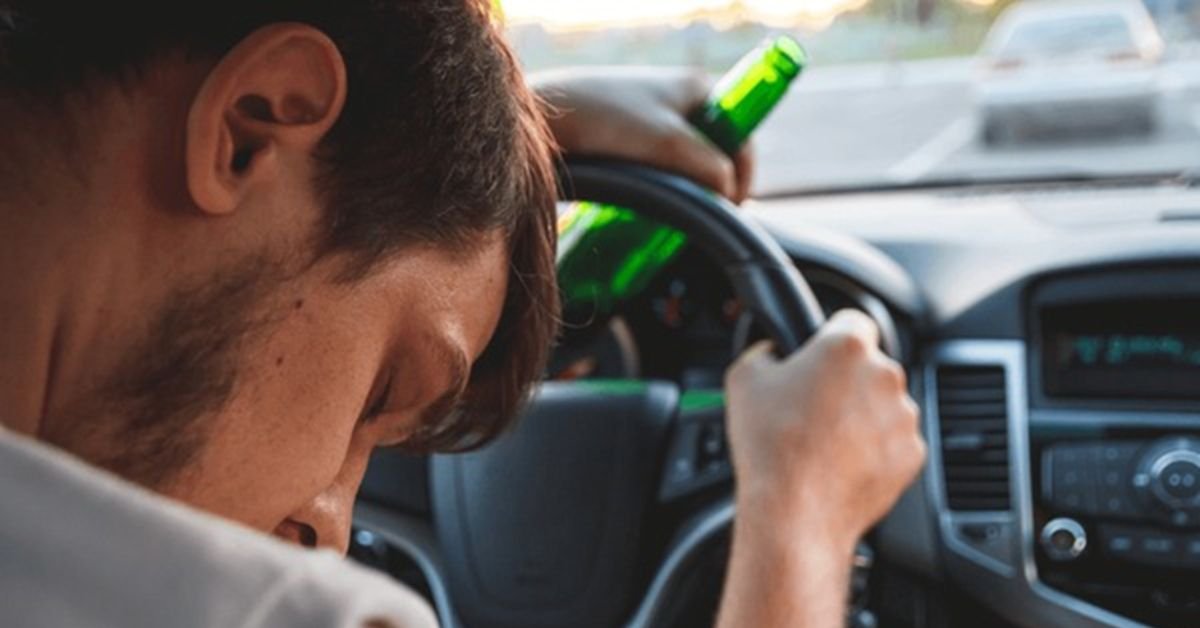
Drunk driving accidents often cause serious injuries, long-term health problems, and major financial losses. Victims may face hospital bills, lost income, and lasting pain, all because another driver chose to get behind the wheel while impaired. These crashes are not minor mistakes. They are preventable events with real, lasting consequences.
In Wilmington, those consequences affect everyday life. The city’s busy roads, riverfront traffic, and popular nightlife areas mean residents and visitors frequently share the streets. When alcohol is involved, crashes can happen quickly on familiar routes like Market Street or near downtown. The result is often severe injury, emotional stress, and financial strain for people who did nothing wrong.
Victims are not left without options. Working with a Wilmington drunk driving accident lawyer can help you understand how compensation works after a crash and what damages may be available. While criminal charges punish the drunk driver, a civil claim focuses on covering your medical costs, lost wages, and other losses tied to the accident.
What Are the Consequences of Drunk Driving Accidents?
Drunk driving crashes often cause serious injuries. Broken bones. Head trauma. Spinal cord damage. Burns. Some victims never fully recover.
The numbers are clear. In 2022, 13,524 people died in alcohol-impaired driving crashes, according to the National Highway Traffic Safety Administration. That’s about one death every 39 minutes. Thousands more suffered injuries that changed their lives.
Alcohol slows reaction time. It affects judgment and coordination. Even a small amount can raise crash risk. Under North Carolina law, a driver is legally impaired with a blood alcohol concentration (BAC) of 0.08% or higher. The statute states, “The results of a chemical analysis shall be deemed sufficient evidence to prove a person’s alcohol concentration.”
But the criminal case against the driver does not pay your bills. You still face:
- Emergency room costs
- Surgery and rehab
- Lost wages
- Property damage
- Ongoing pain
Some injuries show up later. A concussion may not seem serious at first. Weeks later, you struggle with memory and focus. That matters when you calculate damages.
How Can Victims Seek Compensation After a Drunk Driving Crash?
1. Insurance Claims
You can file a claim against the drunk driver’s auto insurance. North Carolina follows a “fault” system. That means the at-fault driver’s insurer pays for your losses.
Keep records of:
- Medical treatment
- Missed work
- Repair estimates
- Prescriptions
- Travel to appointments
2. Civil Lawsuit
If insurance does not cover your losses, you can file a personal injury lawsuit. You may seek:
- Medical expenses (past and future)
- Lost income
- Pain and suffering
- Punitive damages
Punitive damages punish reckless behavior. North Carolina law allows them when a defendant acts with “willful or wanton conduct.” Driving while impaired often meets that standard.
3. Dram Shop Liability
In some cases, a bar or restaurant may share responsibility. North Carolina’s dram shop law allows claims when a business knowingly serves alcohol to someone who is underage and that person causes injury.
Why Acting Quickly Matters
North Carolina has a three-year statute of limitations for most personal injury cases. Miss that deadline, and you lose your right to sue.
Drunk driving accidents bring criminal charges, but your financial recovery depends on civil action. The sooner you gather evidence and document your losses, the stronger your case becomes.
Key Takeaways
- Drunk driving accidents cause severe harm. In 2022, 13,524 people died in alcohol-impaired crashes, according to the National Highway Traffic Safety Administration.
- A BAC of 0.08% or higher is illegal in North Carolina. Criminal charges punish the driver, but they do not pay your medical bills.
- You can seek compensation through insurance claims. The at-fault driver’s insurer should cover medical costs, lost wages, and property damage.
- You may file a personal injury lawsuit. This can include payment for pain and suffering and, in some cases, punitive damages.
- Bars may be liable in limited cases. North Carolina law allows claims if a business knowingly serves alcohol to someone under 21 who later causes injury.
- You generally have three years to file a claim. Missing the statute of limitations can block your recovery.
- Strong documentation strengthens your case. Keep medical records, bills, repair estimates, and proof of missed work.
