

Table of Contents
- Seek Referrals and Read Reviews
- Verify Credentials and Experience
- Assess Local Market Knowledge
- Evaluate Communication Skills
- Interview Multiple Agents
- Assess Negotiation Skills
- Check for Professional Awards
- Trust Your Instincts
Choosing the right real estate agent can significantly impact your buying or selling experience. The process of purchasing or selling real estate is often one of the biggest financial decisions you will make, and it can be emotionally charged as well. With numerous agents available, it’s crucial to identify one who truly aligns with your individual needs and ensures a successful transaction from start to finish. For those seeking expertise in the Vail, Colorado area, Vail CO real estate experts Viola Realty offer unparalleled local knowledge and a commitment to exceptional service. Led by Charley Viola, a seasoned professional with over 30 years of experience, Viola Realty specializes in luxury properties. It has a proven track record in Vail Village and the surrounding areas. Choosing an agent with deep roots in your target market is one of the first steps toward accomplishing your real estate goals.
Seek Referrals and Read Reviews
Begin your search by asking friends, family, and colleagues for recommendations, especially if they’ve recently completed real estate transactions in the area where you’re interested. Personal experiences provide valuable, firsthand insights into an agent’s negotiation skills, customer service focus, and problem-solving abilities. Even if you trust someone’s opinion, don’t forget to dig a little deeper: ask specific questions about how smoothly the process went, how proactive the agent was, and whether any major issues arose.
Additionally, online reviews on platforms like Google Reviews, Zillow, and Realtor.com can offer further perspectives that may reinforce or call into question the referrals you receive. Focus on recent feedback and specific examples closely related to your transaction type. These details can help you assess the agent’s suitability and reveal patterns in how they treat their clients. Look for consistent praise or recurring concerns related to communication, negotiation, and availability to get a clear sense of what to expect.
Verify Credentials and Experience
It’s essential to ensure the agent is licensed and affiliated with reputable organizations such as the National Association of Realtors (NAR). Membership in professional groups often reflects a commitment to ethical practices, ongoing education, and industry standards. Take the time to look up their credentials on your state’s real estate licensing board website to verify their status and check for any disciplinary actions or complaints.
Look for agents who hold recognized certifications, such as Accredited Buyer’s Representative (ABR), Seller Representative Specialist (SRS), or Certified Residential Specialist (CRS). These designations signal specialized training and a dedication to professional excellence. Agents with more years of experience have often encountered a wider variety of market conditions, which can translate into valuable guidance during complex negotiations or challenging transactions.
Assess Local Market Knowledge
Opt for an agent with in-depth knowledge of the local real estate market. Agents who regularly work in your target neighborhoods will be familiar with recent sales, current property values, and unique community characteristics such as school quality, neighborhood amenities, and upcoming developments that might influence property values.
Local expertise can be a game-changer in both hot and slow markets, as your agent can spot opportunities or hazards that others might overlook. They’ll also have established relationships with other agents, inspectors, lenders, and contractors, facilitating smoother transactions. An agent who can detail recent comparables and trends during your initial meetings is likely invested in staying informed and serving your interests.
Evaluate Communication Skills
Effective communication is key when working with a real estate agent. The agent should be consistently responsive to your inquiries, whether by phone, email, or text, and keep you updated on the progress of your transaction at every step. Delays in response can lead to missed opportunities, especially in competitive markets, so test their responsiveness early in your communications.
A good agent listens carefully to your needs and tailors their approach accordingly. They should clarify your goals, set realistic expectations, and provide clear explanations of the process. Consider how well they answer your questions and whether they’re patient with your concerns. Feeling heard and understood goes a long way toward establishing a smooth, transparent process free of unnecessary stress or confusion.
Interview Multiple Agents
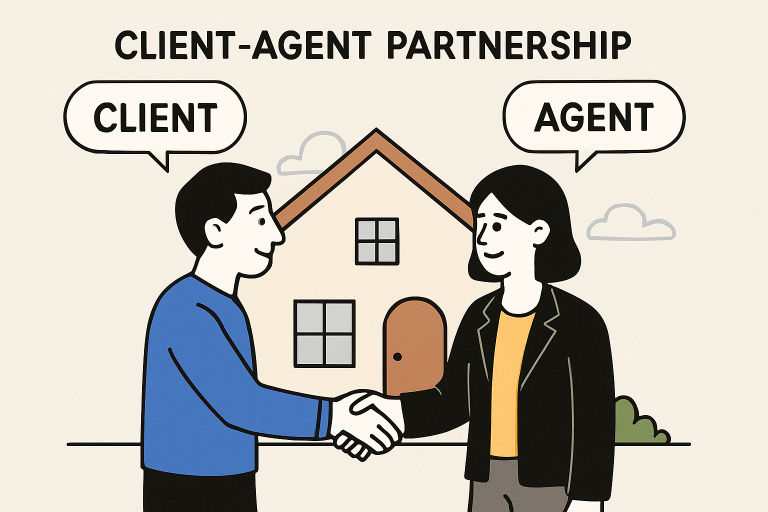
Don’t settle for the first agent you meet. Schedule interviews with several professionals to evaluate their knowledge, communication skills, and overall approach to customer service. Meeting multiple agents allows you to compare their experience, local expertise, and demeanor. Each agent will likely have a unique strategy, so having options puts you in the best position to select one who is genuinely interested in helping you achieve your goals.
Prepare a list of questions, such as how they would approach your sale or purchase, what their recent successes are, and what their marketing or search strategies involve. Pay attention to how well they listen, whether they ask questions about your needs and preferences, and how tailored their responses are. The right agent should inspire confidence in their ability and make you feel comfortable collaborating. Trust and comfort in this relationship often lead to better results and a less stressful process.
Assess Negotiation Skills
One of the primary roles of a real estate agent is negotiating on your behalf. The difference between a good and a great agent often lies in how skilled they are at negotiating price, concessions, inspection issues, and closing dates. Ask potential agents about their negotiation philosophy, specific examples from past transactions, and the outcomes they achieved for their clients.
A skilled negotiator can secure better deals, potentially saving you significant amounts of money or netting you a higher selling price. An agent who can explain their negotiation successes and techniques is likely to bring that same skill set to your transaction, resulting in the best possible outcome for you.
Check for Professional Awards
Peer-given awards can be indicative of an agent’s excellence and industry recognition. For instance, the “Realtor of the Year” award, granted by state or local NAR branches, signifies not only elite performance and results but also a reputation for professionalism and customer satisfaction. Other accolades from respected organizations can serve as a strong endorsement of an agent’s capabilities, underscoring their commitment to client service and ethical standards.
Trust Your Instincts
While credentials, experience, and reviews are all important factors to consider, trusting your instincts is equally critical. Choose an agent who makes you feel at ease and confident in their abilities to advocate for your interests. Sometimes, rapport can be the deciding factor in a successful client-agent relationship, as honest communication and mutual respect are crucial for navigating one of life’s biggest financial decisions.
A strong rapport often leads to smoother negotiations, clearer communication, and a more positive overall experience. Don’t underestimate the importance of feeling comfortable, valued, and heard. Your instincts, combined with diligent research, will guide you to the right choice.
By following these tips, you can find a real estate agent who aligns with your specific needs, helps you navigate the complexities of buying or selling, and ensures a smooth, successful transaction from your first meeting to closing day.

MOBI ROLLER is a tech enthusiast with a background in technology. He writes about the latest trends, tools, and innovations in the tech world, sharing insights based on both knowledge and experience.