
Key Takeaways
- Scheduled inspections and routine maintenance extend equipment life and prevent breakdowns, saving money and time by addressing issues before they escalate.
- Ongoing training and operator certification are fundamental to reducing safety incidents and ensuring that only qualified staff operate machinery.
- Mandatory use of appropriate Personal Protective Equipment (PPE) reduces workplace injuries and maintains compliance with safety regulations.
- Direct, clear communication prevents misunderstandings and potential hazards, especially on complex, multi-team sites.
- Following operational and load guidelines ensures the safety of both equipment and workers at every step of a project.
Investing in the security and maintenance of construction equipment is fundamental for maintaining project timelines and ensuring a safe, efficient work environment. Construction machinery is often exposed to harsh environments, varied weather, and almost constant use, making it highly susceptible to wear, damage, or theft if not properly managed. Implementing robust safety strategies minimizes the risks of costly disruptions and protects the welfare of everyone present on site, including operators, supervisors, and visitors. Utilizing safety tools such as a construction debris tarp can also help safeguard equipment from environmental exposure and potential hazards, further enhancing site security and machinery longevity. Ensuring that each piece of equipment is protected not only from theft or vandalism but also from environmental factors such as dust, rain, and debris is critical to maximizing its operational lifespan.
Prioritizing equipment safety should go beyond regulatory compliance. It demonstrates a commitment to operational excellence and proactive risk management, which is vital in the construction industry’s dynamic conditions. Safety on-site not only protects workers, but it also secures business assets and reputation, leading to fewer breakdowns, insurance claims, and costly delays. Focusing on foundational practices creates a safer, more productive work site where downtime and accidents can be kept to a minimum. Companies that foster a culture of safety as a core value often experience smoother operations, higher employee satisfaction, and better relationships with clients and the broader community.
Regular Inspection and Maintenance
The backbone of any effective safety program in construction equipment management is a regimented inspection and maintenance routine. Overlooking minor repairs or neglecting routine care can lead to dangerous equipment failures at critical moments. Regular equipment checks reveal minor faults before they escalate into larger, costlier issues. For example, worn hydraulic hoses or loose bolts might seem trivial, but if left unnoticed, they can cause extensive machine downtime or serious injuries. Preventive maintenance, including lubrication, replacement of worn parts, and engine checks, eliminates the likelihood of unexpected machine failures that can cause project delays and threaten site safety. Every piece of machinery should have a maintenance log diligently updated, ensuring that records of inspections, repairs, and part replacements are always accessible and up to date. This documentation not only supports compliance with regulatory agencies but also simplifies scheduling future maintenance.
Training and Certification
Personnel responsible for operating or interacting with heavy machinery must undergo regular, certified training programs tailored to the specific equipment they will operate or interact with. Without comprehensive, ongoing training, even seasoned workers can fall into complacency and develop unsafe habits, increasing the number of accidents and near-misses on site. This training should not only encompass the mechanics of operation but also emphasize the critical importance of adhering to safety protocols, recognizing potential hazards, and responding correctly during emergencies. Certification processes confirm operators’ competency, while periodic re-certification is necessary to keep up with evolving machinery and updated safety standards. Incorporating regular safety briefings into the workday reinforces these practices and keeps safety top of mind among staff. Moreover, encouraging workers to speak up if they have questions or identify potential hazards during operations can help nurture a collaborative safety culture.
Personal Protective Equipment (PPE)
Personal Protective Equipment provides a vital layer of defense for workers in any construction environment. Hazards on construction sites vary, from falling debris and loud machinery to sharp tools and hazardous chemicals, making PPE usage essential every day. The use of hard hats, high-visibility clothing, noise-canceling earmuffs, gloves, and steel-toed boots greatly decreases the severity of injuries in the event of an accident. Companies must provide well-fitting, appropriate PPE to their workforce and routinely check that safety gear remains in good condition. Damaged or ill-fitting PPE can compromise its effectiveness, which is why it’s important to regularly inspect and replace equipment as needed. By fostering a culture where PPE use is the expectation, site managers promote personal responsibility for safety among all team members. Making PPE readily available and conducting spot checks further elevates the importance of worker protection on every job site.
Communication and Visibility
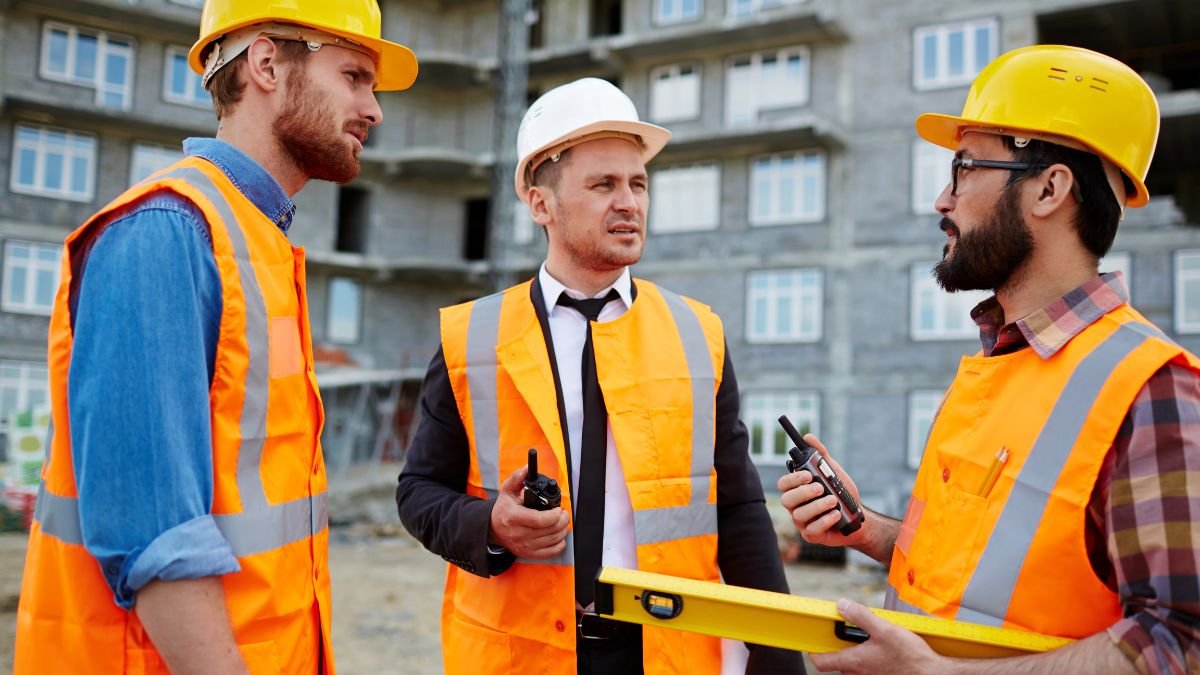
Open lines of communication are key to maintaining safety on busy worksites where multiple teams and machines interact. Since construction sites can be sprawling and noisy, relying on visual cues and effective communication tools mitigates misunderstandings and bolsters teamwork. Detailed hand signals, two-way radios, and daily briefings help coordinate tasks and convey critical information about potential dangers or ongoing activities. For example, operators must be able to alert nearby personnel if machinery is about to move or if an obstacle appears. All personnel should be clearly identifiable by high-visibility vests and ID tags, especially when working near moving equipment. Ensuring everyone on site is aware of communication protocols diminishes the chances of confusion and workplace mishaps. Posting signage and marking no-go zones can also guide workers and prevent accidents, especially when the site layout changes during different project phases.
Regular Breaks and Shift Rotations
Long hours spent operating heavy machinery can lead to fatigue, impaired judgment, and slower reaction times, all of which increase the risk of accidents. Fatigue is a common but easily overlooked hazard that impacts both individual and team performance, increasing the risk of errors that could hurt people or damage valuable equipment. By enforcing regular breaks and systematic shift rotations, employers support their staff’s physical and mental health. Having structured work and rest schedules is proven to increase alertness and productivity while preventing burnout. When workers are encouraged to report signs of fatigue or health concerns without fear of repercussions, overall safety and morale are boosted. According to CDC guidelines, prioritizing worker rest is a critical part of comprehensive risk management and accident prevention. Proactively addressing fatigue not only decreases accidents but also improves job satisfaction and reduces turnover rates.
Emergency Preparedness
Preparedness for emergencies is essential at any large worksite. Construction sites are dynamic environments where the unexpected can occur, whether it’s a medical emergency, hazardous weather, or equipment malfunction. Every construction team should draft and routinely review a response plan that covers a wide spectrum of events, including medical emergencies, fire hazards, and machinery malfunctions. These plans must be clearly articulated and posted in accessible locations so that even new or temporary workers can easily reference them. Scheduling regular emergency drills familiarizes staff with protocols, ensuring swift, coordinated action during real events. Heavy equipment, in particular, should be equipped with prominently labeled emergency shutdown features so that those nearby can act immediately in the event of a hazard. Reviewing and updating emergency plans after drills or real incidents helps the team learn and improve their readiness for future events.
By embedding these best practices into daily routines, construction companies can make substantial progress in minimizing risks and maintaining a secure, efficient workspace for everyone involved. Consistently applying these strategies enhances equipment reliability, keeps projects running smoothly, and creates a culture of safety that benefits all. When safety is prioritized at every level, from top management to crew members, companies are better equipped to handle challenges, adapt to changes, and meet deadlines without sacrificing the well-being of their people or the quality of their work.

MOBI ROLLER is a tech enthusiast with a background in technology. He writes about the latest trends, tools, and innovations in the tech world, sharing insights based on both knowledge and experience.