

Table of Contents
- Overview of the ERTC
- Eligibility Criteria
- Claiming the Credit
- Recent Legislative Changes
- Avoiding ERTC Scams
- Final Thoughts
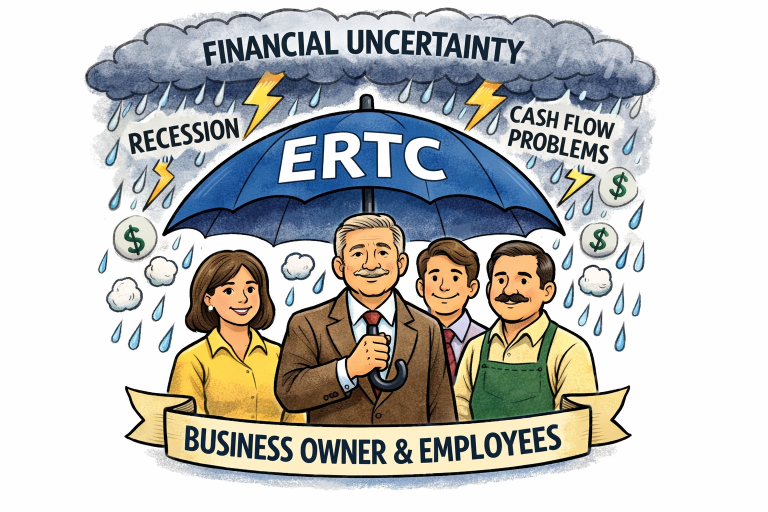
The Employee Retention Tax Credit (ERTC) emerged as a crucial source of relief for employers throughout the unprecedented challenges of the COVID-19 pandemic. As many businesses worked to maintain financial and operational stability, understanding this incentive became essential. Recognizing opportunities for financial support can be as impactful as finding the right care for physical well-being, just like seeking a professional sciatica chiropractor in Newport News, VA can make all the difference for those suffering from spinal discomfort.
With recent legislative amendments and increased scrutiny, staying informed about ERTC changes is more important than ever. Employers who stay up to date with the latest information and clear guidelines are best positioned to maximize their benefits and minimize compliance risks. The ERTC remains a valuable asset for eligible businesses seeking to retain employees during challenging times.
Overview of the ERTC
The ERTC was first established as part of the Coronavirus Aid, Relief, and Economic Security (CARES) Act in 2020. This refundable tax credit helps businesses keep their employees on payroll even during periods of revenue decline or government-ordered shutdowns. As economic conditions and public health regulations fluctuated, subsequent legislation modified the credit to offer broader eligibility and increased financial benefits.
Employers can receive this credit based on qualified wages paid to employees, and in some cases, associated health insurance costs.
The scale of ERTC’s impact was far-reaching. In addition to keeping employees on payroll, the credit helped maintain crucial business continuity by providing much-needed liquidity. Many organizations discovered that ERTC, when paired with other relief programs such as the Paycheck Protection Program (PPP), enabled them to recover more quickly and sustain operations during the most trying months of the pandemic. Notably, recent amendments clarified how businesses can use both programs without incurring a financial penalty, thereby maximizing the available relief.
Eligibility Criteria
Determining ERTC eligibility requires careful review of a business’s financial circumstances and compliance with regulatory guidelines. Generally, a business qualifies if it experienced significant decreases in gross receipts compared to previous years or was subject to full or partial shutdowns due to governmental orders. Furthermore, size thresholds and employee count may impact the type and amount of credit available.
Some organizations, such as hospitals, universities, and nonprofits, were also included under expanded ERTC provisions.
Additionally, eligibility changes have been introduced throughout various legislative updates. For example, the definition of a “significant decline” in gross receipts was refined in 2021, making it easier for some smaller employers to qualify for higher credit percentages. It’s important to keep a record of all correspondence and government orders affecting business operations, as this evidence supports qualification in the event of an audit or a subsequent IRS request.
Claiming the Credit
Eligible employers can claim the ERTC on their quarterly employment tax returns, typically using IRS Form 941. It is essential to accurately calculate qualifying wages and maintain detailed documentation for each payroll cycle. Businesses should also prepare to provide evidence supporting claims if requested by the IRS, especially as claim scrutiny has recently intensified.
The IRS has periodically issued clarifications on how to calculate eligible wages, including guidance on including health benefits and special considerations for part-time employees. Employers are encouraged to use qualified accounting professionals to review payroll records and tax filings before submission. Furthermore, businesses making retroactive claims for past quarters should be prepared for longer processing times, especially during periods of high demand or legislative transition.
Many businesses find it helpful to consult with legal or tax professionals who specialize in the ERTC or COVID-19 relief programs. The nuances involved in maximizing credit, particularly for multi-location or seasonal businesses, may require a tailored approach to achieve accurate results while maintaining full compliance.
Recent Legislative Changes
ERTC regulations have undergone several amendments, with the most noteworthy change occurring in 2025 via the “One Big Beautiful Bill” (OBBB). This bill introduced a retroactive disallowance for all ERTC claims submitted after January 31, 2024, concerning the third and fourth quarters of 2021. Businesses with pending claims for these periods may be affected and should promptly review the status of their filings.
It’s crucial for businesses to remain vigilant regarding compliance dates and documentation requirements. New legislation may also change IRS audit timeframes and impose steeper penalties for incorrect claims or misrepresentations. Additionally, employers should be aware of periodic IRS relief programs that may allow for the correction or withdrawal of improper claims without penalty if handled proactively. Keeping up to date through official IRS bulletins and professional advisors can help companies avoid costly mistakes and remain compliant with demanding timelines.
Avoiding ERTC Scams
The ERTC’s popularity has unfortunately made it a target for fraudulent activities and scams. Unsolicited communications promising fast approvals or guaranteed eligibility often indicate fraudulent intent. To safeguard against these scammers, employers should rely on communications from official sources and work only with experienced tax professionals. Maintaining vigilance protects both business interests and employee information.
According to reporting from The New York Times, businesses should pay close attention to offers and verify the authenticity of any ERTC support or advisory services before engaging.
Common red flags include promises of “risk-free” filing, requests for large upfront payments, or advice to falsify revenue numbers or payroll data. The IRS has issued specific warnings and maintains an updated scam alert page, which employers should consult regularly. Remember, legitimate tax professionals will always follow ethical guidelines and encourage transparent, honest reporting. Businesses are also encouraged to report suspicious solicitations to the IRS via their scam reporting portals to help prevent others from falling victim to these schemes.
Conclusion
The Employee Retention Tax Credit remains a valuable tool for businesses seeking financial stability and workforce continuity during periods of uncertainty. Understanding the evolving criteria, keeping up with legislative changes, and guarding against fraudulent offers are critical for optimizing the benefits and avoiding pitfalls associated with ERTC claims. Employers should consistently consult official resources and expert advice to ensure compliance, minimize risk, and leverage all available support through programs like the ERTC.
Ultimately, as the tax landscape continues to shift and federal relief programs evolve, businesses need a proactive approach to managing their payroll tax strategies. Proactive and educated decision-making can ensure that employers both benefit from the credit and avoid costly penalties. Planning ahead, seeking specialized guidance, and maintaining thorough records can make the difference between successfully securing relief or facing unnecessary risk. Staying informed is not just good practice—it is essential for maximizing the opportunities presented by the ERTC and similar programs moving forward.

MOBI ROLLER is a tech enthusiast with a background in technology. He writes about the latest trends, tools, and innovations in the tech world, sharing insights based on both knowledge and experience.