

Table of Contents
- Introduction to Chiropractic Techniques
- Diversified Technique
- Gonstead Technique
- Activator Method
- Flexion-Distraction Technique
- Thompson Drop-Table Technique
- Spinal Mobilization
- Soft Tissue Therapies
- Instrument-Assisted and Technology-Driven Methods
- Choosing the Right Technique
Introduction to Chiropractic Techniques
Chiropractic care is built on a foundation of diverse methods that target musculoskeletal discomfort while promoting whole-body wellness. By understanding these various approaches, patients can make more conscious decisions about which technique is right for their unique health situation. For many families seeking chiropractic services for specific conditions, including pediatric concerns like colic, knowing what each method offers is invaluable.
With options ranging from gentle, gradual adjustments to more direct, hands-on methods, chiropractors possess a wide-ranging toolkit for addressing back pain, headaches, joint issues, and more. A better grasp of these techniques not only empowers patients but also strengthens the relationship between practitioners and those they care for.
Diversified Technique
The Diversified Technique is among the most frequently used chiropractic adjustment methods. Known for its manual approach, this technique involves skillful, high-velocity, low-amplitude thrusts applied to specific spinal segments. The aim is to restore optimal alignment and movement, helping reduce discomfort in areas such as the lower back, neck, and head. Some patients may notice a popping sound during adjustments, which is a natural phenomenon associated with joint motion and gas release.
Gonstead Technique
The Gonstead Technique centers on an in-depth analysis to precisely locate areas of spinal misalignment or dysfunction. Chiropractors who employ this method often use X-rays and palpation during their assessment, ensuring pinpoint accuracy. The adjustments themselves are highly targeted and controlled, making this technique particularly suitable for addressing sciatica, hip pain, or persistent lower back problems. Individuals seeking painstakingly crafted care may find this approach especially beneficial.
Activator Method
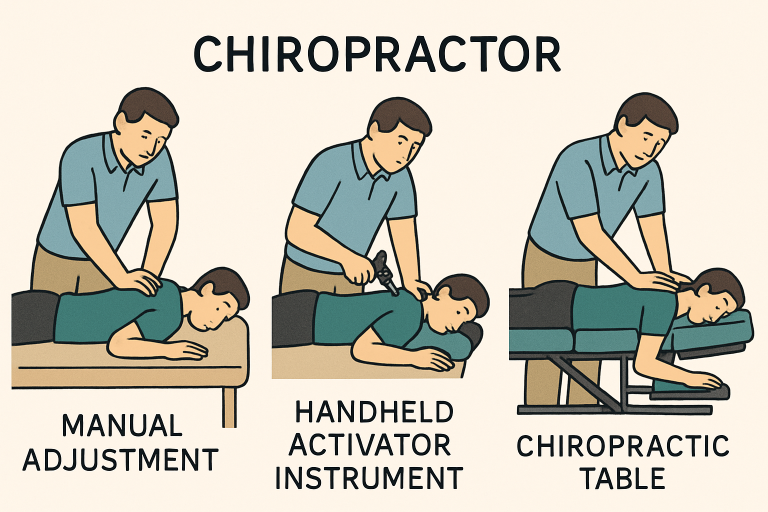
For those who prefer less direct manipulation, the Activator Method offers a gentle alternative. Chiropractors use a spring-loaded, handheld instrument to deliver small, quick impulses to specific areas of the spine or extremities. The Activator Method is appreciated by patients who need a subtle, low-force approach, often benefiting people with chronic headaches, joint discomfort, or heightened sensitivity to manual adjustment. Research published by Spine-Health discusses its effectiveness in various patient groups.
Flexion-Distraction Technique
Flexion-Distraction is a subtle, non-thrusting procedure beneficial for patients with herniated discs or sciatica. The chiropractor gently manipulates the spine using a specialized table that moves in rhythmic, segmented patterns. By stretching the spine and encouraging decompression, this technique decreases pressure on inflamed nerves and discs, enhancing comfort and flexibility. Patients who are wary of traditional, forceful adjustments often appreciate the rhythmic, soothing nature of this method.
Thompson Drop-Table Technique
The Thompson Drop-Table Technique incorporates a unique table equipped with sections that drop slightly when pressure is applied. This subtle drop creates an environment for quick, low-force adjustments. Patients who are sensitive to more forceful or manual techniques tend to find this approach comfortable, as it achieves effective joint and spinal alignment without significant strain or discomfort. This method is favored for its gentle approach to realignment and pain relief.
Spinal Mobilization
Spinal Mobilization provides a gentle option for people dealing with heightened joint sensitivity or advanced pain. Rather than swift thrusts, this method uses gradual, controlled manual movements to increase the range of motion in affected joints and muscles. Spinal mobilization is recommended for older adults or anyone who may not tolerate standard chiropractic adjustments well. With a focus on gentle progression, it supports recovery with minimal discomfort or risk.
Soft Tissue Therapies
Chiropractic care does not stop at spinal and joint correction. Techniques such as myofascial release and trigger point therapy address tightness and adhesions within the muscles, tendons, and connective tissues. Soft tissue therapies aim to relieve pain, increase flexibility, and promote proper blood flow by breaking up knots and reducing myofascial restrictions. These methods are designed to complement spinal adjustments, giving patients a more comprehensive healing plan for chronic pain or injury recovery.
Instrument-Assisted and Technology-Driven Methods
Some chiropractors supplement their traditional skills with advanced instruments and devices. Instrument-assisted soft tissue mobilization (IASTM) employs specialized tools that identify and treat spots of tissue restriction with controlled precision. Meanwhile, modern computerized adjustment devices deliver accurate feedback and help fine-tune treatments for better patient outcomes. By integrating technology, practitioners can provide individualized care that responds efficiently to a patient’s progress and unique needs. For further background, the Medical News Today chiropractic methods guide outlines how these innovations improve patient experiences.
Choosing the Right Technique
Determining which chiropractic technique is most appropriate depends on specific health goals, the patient’s physical condition, and individual comfort levels. For some, a gentle instrument-based approach may be optimal, while others benefit from manual, hands-on adjustments or soft tissue work. Consultation with a qualified chiropractor is essential to create a tailored plan that addresses personal needs and ensures practical, lasting health benefits.
To explore comprehensive details on chiropractic techniques and patient considerations, visit this in-depth resource by Medical News Today. Empowering yourself with this knowledge can lead to more positive outcomes from chiropractic care and greater confidence in your health choices.

MOBI ROLLER is a tech enthusiast with a background in technology. He writes about the latest trends, tools, and innovations in the tech world, sharing insights based on both knowledge and experience.