
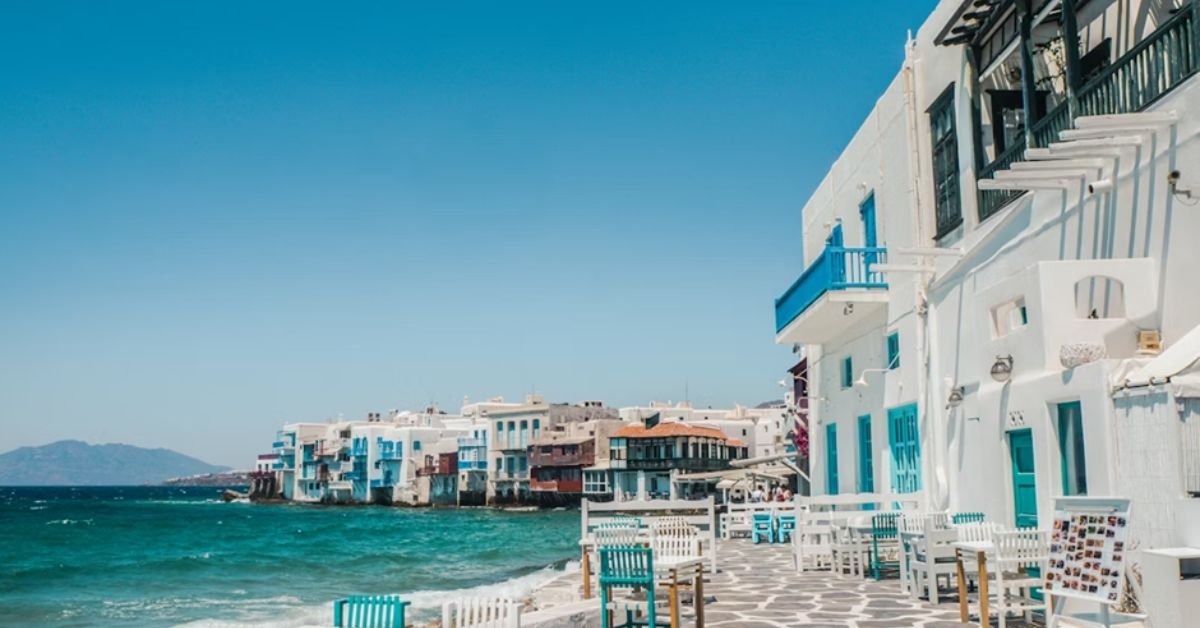
For first-time visitors, the best way to travel in Greece is to keep the trip simple: spend a few days in Athens, choose one or two islands that match your style, and leave enough room in your schedule for rest, good food, and unplanned moments. Greece is not a country that rewards rushing. It is much better experienced at a steady pace, with time to wander through old neighborhoods, linger over dinner, and enjoy the contrast between ancient history and island life.
Why Greece Is a Great Destination for First-Time Travelers
Greece is one of those places that feels familiar even before you arrive. People know the whitewashed villages, blue water, ancient ruins, and long seaside dinners. What makes it especially good for a first trip is the variety packed into one country. You can spend one day walking around world-famous archaeological sites and the next swimming off a quiet beach or taking a ferry across the Aegean.
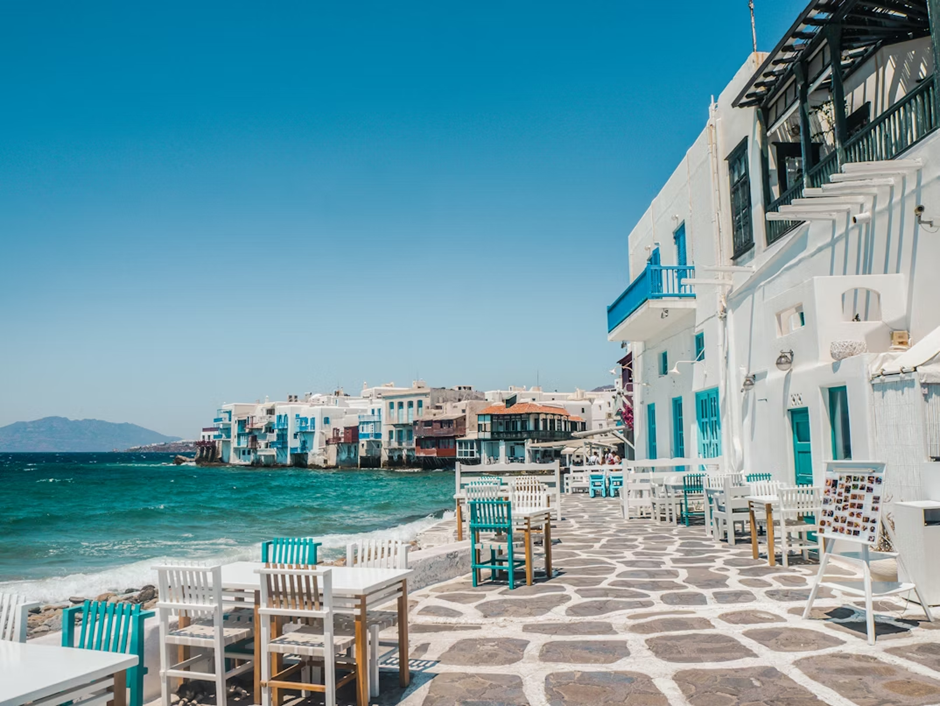
It also offers different kinds of travel without forcing you to choose only one. Some people come for history and museums, others for island hopping, food, beach clubs, hiking, or slow village life. Greece can handle all of that. A couple looking for a romantic trip, a solo traveler wanting a manageable route, or a group of friends mixing sightseeing with nightlife can all build something that works.
Another reason Greece suits beginners is that it is relatively easy to understand once you stop trying to do too much. Athens gives you a strong cultural starting point, the islands are well known and well connected in season, and the food is approachable even for travelers who do not want to overthink every meal. Fresh salads, grilled fish, pastries, yogurt, fruit, and simple tavern food make everyday travel feel easy.
Most of all, Greece leaves room for enjoyment. It is a place where the highlights are real, but so are the smaller pleasures: a cold coffee in a shaded square, a swim before lunch, a quiet church on a hill, a ferry ride at sunset. That balance is what makes it so memorable for first-time travelers.
When Is the Best Time to Visit Greece?
The most comfortable time to visit Greece is usually late spring to early summer, or early fall. May, June, September, and early October tend to offer the best mix of warm weather, manageable crowds, and a more relaxed pace. These months are especially good for people visiting Greece for the first time because sightseeing is easier when you are not dealing with intense heat every afternoon.
July and August are the busiest months. This is when the islands are at their liveliest, but also when prices are higher and popular places feel more crowded. The heat can be exhausting, especially if your trip includes long walks, archaeological sites, or ferry transfers. If you do travel in peak summer, it helps to structure your day around the weather. Mornings and evenings are your best friends.
Spring has its own appeal. Landscapes are greener, temperatures are softer, and walking through Athens or island towns feels much more pleasant. Early fall, on the other hand, offers warm sea temperatures and a slightly calmer atmosphere after the height of summer.
For most first-time visitors, shoulder season is the safest choice. You still get beautiful weather and lively streets, but with a bit more breathing room.
How Many Places Should You Visit on Your First Trip?
One of the biggest mistakes people make when planning Greece is trying to fit in too many places. On paper, it can look tempting to add Athens, Santorini, Mykonos, Paros, Milos, Crete, and maybe one more stop just because it is nearby. In practice, that kind of schedule turns into a series of check-ins, transfers, waiting times, and packing.
A better approach is to choose fewer places and enjoy them properly. For a first trip, Athens plus two destinations is often enough. If you have around a week, Athens and one or two islands is a very comfortable plan. If you have ten days, Athens and two islands usually works well. That gives you time to settle in, understand the rhythm of each place, and avoid feeling like you are always in transit.
Greece looks compact on a map, but travel takes energy. Ferry schedules, port transfers, hotel check-ins, and hot afternoons all add up. Even a beautiful travel day still takes a chunk out of your time and attention. The more places you add, the less time you actually spend enjoying them.
A slower route almost always leads to a better first experience. You remember the evenings, the swims, the neighborhoods, and the meals much more than the number of locations you managed to squeeze in.
Athens First: Should You Start in the Capital?
For many travelers, starting in Athens makes sense. It is usually the natural arrival point, and it offers a strong introduction to the country. You get history, local street life, excellent food, and a clearer sense of Greek culture before heading to the islands.
Athens deserves more than being treated as a quick stop. The Acropolis is one of the rare landmarks that genuinely lives up to expectations, and the Acropolis Museum adds context that makes the ruins even more meaningful. Beyond the headline sights, neighborhoods like Plaka, Monastiraki, and Psyrri give the city texture. You can spend hours walking without a strict plan and still come across markets, rooftop views, old churches, and busy little squares full of locals and visitors.
Starting in Athens can also help you ease into the trip. After a long flight, it is often simpler to spend two or three nights in the capital rather than rushing straight onto a ferry. You get time to adjust, rest, and begin the trip without pressure. Some travelers prefer to save Athens for the end, especially if they want to finish with museums, shopping, and one last good meal before flying home. Both options work, but for a first visit, beginning there often feels more natural.
If your main goal is island time, you still do not need to skip Athens entirely. Even a short stay gives the trip more depth.
How to Choose the Right Greek Islands
Choosing islands can be surprisingly difficult because there is no single “best” answer. The right choice depends on what kind of trip you want. Some islands are built around dramatic views and romance, others around nightlife, beaches, food, hiking, or a slower local atmosphere.
Santorini is famous for a reason. The views are extraordinary, and for many first-time visitors it feels like one of those places you want to see at least once. Mykonos is known for beach clubs, nightlife, and a polished social scene. Both are iconic, but they are not the only options, and they are not always the best fit for everyone.
If you want something a bit more relaxed, islands like Naxos, Paros, or Milos often feel easier. They still offer beautiful beaches and whitewashed villages, but usually with a softer pace. Milos is especially appealing for people who care about scenery and beaches, while Naxos is a strong choice for travelers who want a mix of coast, food, and mountain villages.
For a first trip, balance helps. Pairing one famous island with one calmer destination often works better than choosing two places with the exact same energy. It gives you variety without making the itinerary complicated.
How to Get Around Greece
Getting around Greece is usually straightforward once you understand the basics. In Athens, public transport is useful and the central neighborhoods are very walkable. The metro is efficient for moving between major areas, and taxis can fill the gaps when needed.
Between islands, ferries are part of the experience. They are scenic, practical, and often the easiest way to move around the Cyclades. Domestic flights can save time on longer routes, especially if you are connecting back to Athens. If you are traveling in high season, booking transport in advance is a smart move, especially for the most popular islands and convenient ferry times.
On the islands themselves, transportation depends on the destination. Some places are easy enough with buses and occasional taxis, while others are much easier with your own vehicle. Travelers researching car rental Greece options are usually trying to solve a real problem: how to reach quieter beaches, small villages, or viewpoints without shaping the whole day around bus schedules.
That said, not every island requires a car. In compact, high-demand places where parking is limited, you may be happier staying central and moving around on foot or by local bus. In broader island settings, or when you want more freedom, booking through a provider such as addcar rent a car can make the trip feel much more flexible.
What to Pack for a First Trip to Greece
Packing for Greece is easier than many people expect. The key is to pack for heat, walking, and simplicity. Light clothing works best, especially breathable fabrics that feel comfortable in strong sun. Comfortable walking shoes are essential, particularly if your trip includes Athens, archaeological sites, or towns with uneven stone streets and hills.
A hat, sunglasses, and sunscreen matter more than people think, especially in summer. The light can be strong even outside the hottest months. Swimwear is obvious, but a lightweight cover-up or extra layer is useful for boats, breezy evenings, or over-air-conditioned ferries.
It is also worth bringing one outfit that feels a little more polished for dinner, even if most of your trip is casual. Greece is generally relaxed, but some evenings naturally call for something slightly nicer than beachwear. If you plan to visit monasteries or churches, modest clothing is a good idea as well.
The biggest packing mistake is overpacking. You do not need a huge wardrobe to enjoy Greece. A smaller bag is much easier when you are dealing with ferries, stairs, and transfers.
Practical Travel Tips for a Smoother Trip
The easiest way to improve a Greece trip is to respect the local pace. Try to sightsee early in the day, slow down in the hottest hours, and enjoy the evenings properly. This one adjustment can make your whole trip feel better.
Carry some cash even though cards are widely accepted. In cities and larger tourist areas, card payments are common, but smaller shops, local bakeries, beach bars, or family-run spots may still prefer cash or have occasional limits.
When booking ferries or domestic flights, leave buffer time. Delays happen, weather can affect plans, and port logistics can take longer than expected. It is always better to lose a little time to caution than to spend a day stressed about missing the next leg.
Hydration matters more than people expect. Long sunny walks, stairs, beaches, and salty meals can wear you down quickly. Keep water with you, especially during travel days or site visits.
It also helps to stay realistic about daily plans. Greece is not a place where you need to optimize every hour. Some of the best parts of the trip come from doing less, not more.
Common Mistakes First-Time Visitors Make in Greece
The most common mistake is building an itinerary that looks good on paper but feels exhausting in real life. Too many islands, too many hotel changes, and too little downtime can turn a beautiful trip into a tiring one.
Another frequent issue is underestimating the heat. People schedule long walks or archaeological visits in the middle of the day and then wonder why they feel drained. In Greece, timing matters. A site that feels magical at 9 a.m. can feel punishing at 2 p.m.
Many first-time visitors also choose islands based only on popularity. There is nothing wrong with famous places, but it helps to think beyond reputation. The best island for your trip is not necessarily the most photographed one. It is the one that fits your pace, interests, and budget.
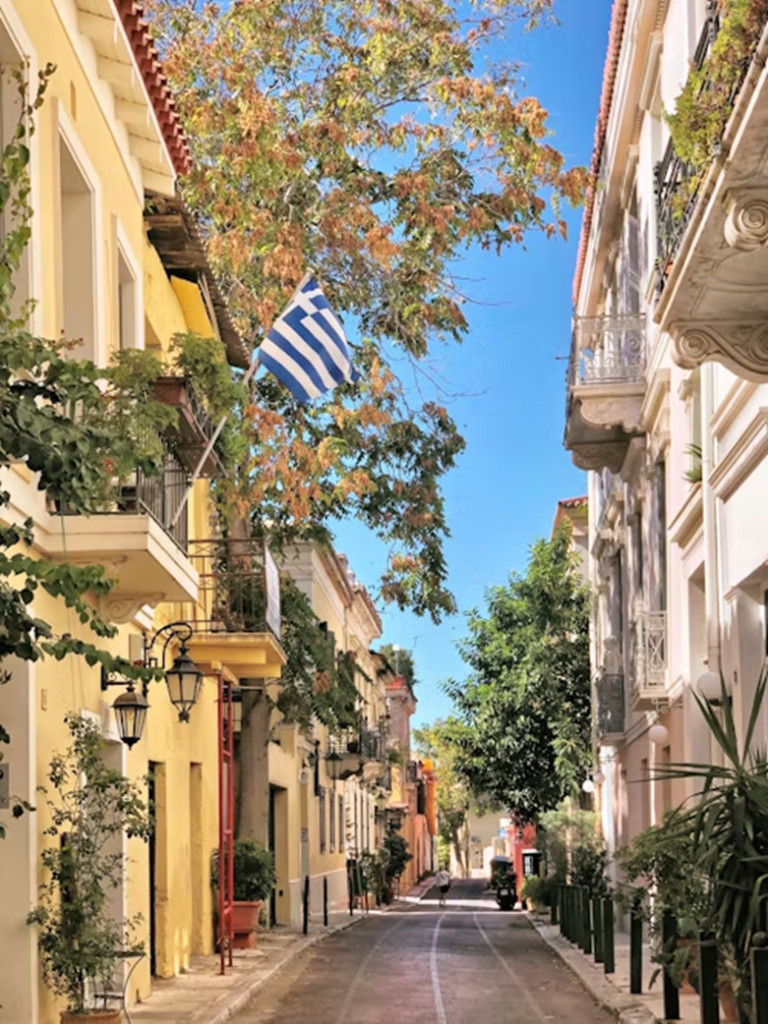
Transport is another area where people get tripped up. They assume every route will be simple, every connection will line up, and every island will be easy to navigate the same way. Greece rewards a bit of advance planning, especially when moving between places.
Finally, some travelers rush through Athens instead of giving it a fair chance. That is a mistake. The city adds context and energy to the trip, and it often surprises people who expected to treat it as only a gateway to the islands.
Final Thoughts
A first trip to Greece does not need to be perfect to be memorable. In fact, it is usually better when it is not packed too tightly. A few well-chosen stops, enough time to enjoy each one, and a practical approach to transport and timing will take you much further than an overambitious plan.
The real charm of Greece is not just in the postcard views. It is in the mix of history, sea, food, daily rhythm, and the feeling that even an ordinary afternoon can turn into one of the best parts of the trip. Keep your itinerary simple, stay flexible, and let the country unfold at its own pace.
FAQ
How many days do you need for a first trip to Greece?
Seven to ten days is a very good range for a first visit. That gives you enough time for Athens and one or two additional destinations without making the trip feel rushed.
Is Athens worth visiting on a first trip?
Yes, absolutely. Athens gives context to the rest of the trip and offers major historical sites, good food, and lively neighborhoods that are worth exploring.
Which Greek islands are best for first-time visitors?
That depends on your travel style. Santorini is ideal for dramatic views, Mykonos for nightlife, and islands like Naxos, Paros, or Milos for a more relaxed experience.
Do you need a car in Greece?
Not always. In Athens, you usually do not. On some islands, buses and taxis are enough, while on others a car is useful for reaching remote beaches and smaller villages more easily.
What is the best month to visit Greece?
May, June, September, and early October are often the best choices because the weather is pleasant and the crowds are generally more manageable than in peak summer.
