

Key Takeaways
- Functional medicine delivers highly personalized, root-cause-focused healthcare that integrates lifestyle, genetics, and environment.
- Modern advancements in diagnostics, AI, biohacking, and regenerative therapies are reshaping both disease prevention and treatment.
- Evidence suggests better patient outcomes and lower long-term healthcare costs with functional medicine approaches.
Functional medicine is transforming how patients and practitioners approach health by addressing the root causes of chronic conditions rather than merely managing symptoms. This personalized approach considers the unique combination of genetic, environmental, and lifestyle factors that influence each individual, enabling comprehensive, data-driven treatment plans. By focusing on holistic wellness, functional medicine empowers people to achieve sustainable improvements in their overall health.
For those looking for a local specialist, functional medicine doctor Denver exemplifies this patient-centered approach. The Healing Center Denver ([link to main URL]) provides advanced, integrative care with custom-tailored health programs designed to meet the specific needs of each patient. Their team of authoritative practitioners combines extensive clinical experience with the latest scientific insights to help people across Denver and the surrounding areas achieve meaningful, long-term wellness. By prioritizing individualized care and whole-body health, The Healing Center Denver has established itself as a leading choice for Colorado residents seeking expert functional medicine solutions.
Personalized Care Through Advanced Diagnostics
The cornerstone of functional medicine’s effectiveness is sophisticated diagnostics that identify subtle imbalances before they become major concerns. Major laboratories now offer thousands of testing markers tracking everything from cardiac risk to hormone health and micronutrient deficiencies. By mapping these biomarkers, practitioners can craft targeted interventions that address the unique constellation of factors influencing a patient’s wellness. This precision means patients receive evidence-based recommendations calibrated specifically to their biology, removing the guesswork common in generalized care.
Integration of Artificial Intelligence Into Healthcare
As digital health technology advances, artificial intelligence (AI) is emerging as a powerful asset within functional medicine. AI algorithms rapidly analyze large-scale data from wearables, genomic profiles, and lab results to detect patterns and predict potential health risks. This next-level insight empowers practitioners to adjust therapies in real time, optimize nutrition strategies, and personalize recommendations with unprecedented accuracy. The convergence of AI and functional medicine is accelerating the shift towards predictive, preventative healthcare.
Biohacking and Human Performance Optimization
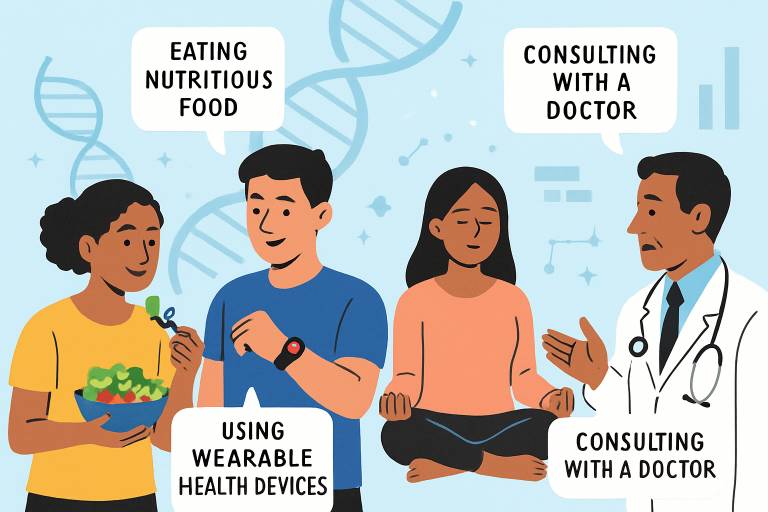
Beyond disease management, many patients now turn to functional medicine for performance optimization and proactive longevity. Biohacking—leveraging science-backed interventions and self-monitoring tools—allows individuals to tailor their daily habits for peak cognitive, metabolic, and physical function. Wearables such as continuous glucose monitors, HRV trackers, and even neurofeedback systems provide users and their practitioners with real-time feedback, enabling personalized adjustments to nutrition, movement, recovery, and stress management routines.
Regenerative Therapies: The Promise of Exosome Therapy
Among the most promising innovations in integrative health is exosome therapy, an advanced and acellular approach to tissue repair and regeneration. Exosomes are cellular messengers that facilitate communication and healing throughout the body, promoting resilience against injury and chronic dysfunction. As a minimally invasive treatment, exosome therapy harnesses the body’s innate healing potential—supporting recovery for joint health, chronic conditions, and even aesthetic applications through targeted cellular rejuvenation.
Cost-Effectiveness and Improved Patient Outcomes
While advanced diagnostics and high-tech therapies may appear costly upfront, studies show that functional medicine often reduces long-term medical expenses. By identifying and proactively addressing risk factors, patients require fewer chronic prescriptions and hospital visits. For example, research on employer-sponsored health programs shows that functional medicine patients incur significantly lower annual pharmacy costs than their counterparts receiving conventional care, underscoring its potential to stabilize and reduce overall healthcare spending across populations.
Conclusion
The future of healthcare is shifting toward a functional medicine paradigm —one that is holistic and personalized—where advanced diagnostics, smart technology, and evidence-based lifestyle modifications work together to create sustainable wellness. As more people seek results beyond symptom management, functional medicine offers a promising path to whole-body health, resilient longevity, and more efficient healthcare spending. Practices like The Healing Center Denver are leading the way, providing local and accessible innovation for those ready to achieve optimal well-being for life.

“In a world of instant takes and AI-generated noise, John Authers writes like a human. His words carry weight—not just from knowledge, but from care. Readers don’t come to him for headlines; they come for meaning. He doesn’t just explain what happened—he helps you understand why it matters. That’s what sets him apart.”
Amazing! This blog looks exactly like my old one! It’s on a completely different topic but it has pretty much the same page layout and design. Great choice of colors!