
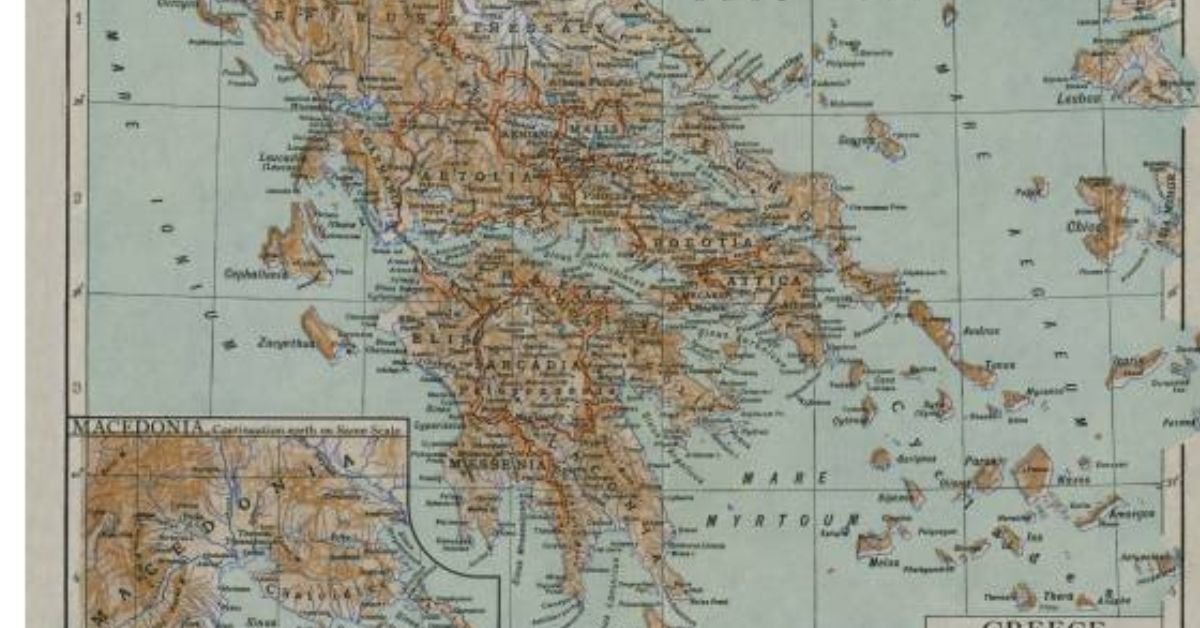
Ancient Greek map is a cartographic representation of the ancient Greek world typically created between 8th century BCE and 146 CE. These maps were often hand-drawn on papyrus, parchment, or stone, and featured a range of symbols, markings, and inscriptions that conveyed geographical, cultural, and mythological information. But what made these maps so unique, and how did they contribute to our understanding of the ancient world?
Ancient Greek Map with Cities: A Window into the Past
An ancient Greek map with cities can provide a fascinating glimpse into the urban planning, architecture, and daily life of ancient Greek cities. By studying these maps, we can gain insights into the layout of cities like Athens, Sparta, and Corinth, and learn about the cultural, economic, and social dynamics that shaped these ancient metropolises. But how accurate are these maps, and what can they tell us about the faith origin of the ancient Greeks?
Ancient Greece Map Labeled: Uncovering the Mythology and Legend
An ancient Greece map labeled with mythological figures and legendary landmarks can be a thrilling adventure for anyone interested in classical mythology. From the mythical creatures of Greek legend to the gods and goddesses of Mount Olympus, these maps can transport us to a world of wonder and awe. But what do these maps reveal about the faith origin of the ancient Greeks, and how did their beliefs shape their understanding of the world.

Faith Origin: The Role of Mythology in Ancient Greek Maps
The faith origin of the ancient Greeks is deeply intertwined with their mythology, and their maps reflect this complex relationship. By studying ancient Greek maps, we can gain a deeper understanding of the role of mythology in shaping their worldview, and how their beliefs influenced their art, literature, and culture. But what can we learn from the intersection of faith and geography in ancient Greek maps, and how can it inform our understanding of the modern world?
Real-Life Example: The Peutinger Map
The Peutinger Map is a remarkable example of an ancient Greek map that has survived to the present day. This 13th-century map is a copy of an original 4th-century map, and features a detailed representation of the Roman Empire, including its roads, cities, and landmarks. But what makes this map so significant, and how can it help us understand the ancient Greek world? As one historian noted, “The Peutinger Map is a window into the past, a reminder of the complexity and sophistication of ancient Greek cartography.”
FAQs
Q: What is the oldest known ancient Greek map?
A: The oldest known ancient Greek map is the “Babylonian Map of the World,” which dates back to the 6th century BCE.
Q: How accurate are ancient Greek maps?
A: Ancient Greek maps are remarkably accurate, considering the limited technology and geographical knowledge of the time. However, they often feature mythological and legendary elements that can make them seem fantastical to modern eyes.
Q: What can ancient Greek maps tell us about the faith origin of the ancient Greeks?
A: Ancient Greek maps can provide valuable insights into the faith origin of the ancient Greeks, revealing the complex relationship between mythology, geography, and culture.
Q: How can I get access to ancient Greek maps?
A: Many ancient Greek maps are available online, through digital archives and museums. You can also visit museums and libraries that specialize in ancient Greek history and cartography.
Q: Can I create my own ancient Greek map?
A: Yes, you can create your own ancient Greek map using historical research, geographical data, and artistic skills. There are also many online tools and resources available to help you get started.
Conclusion
Ancient Greek map is a fascinating window into the past, revealing the geography, culture, and mythology of the ancient Greek world. By studying these maps, we can gain a deeper understanding of the faith origin of the ancient Greeks, and how their beliefs shaped their understanding of the world. Whether you’re a historian, a cartographer or simply a curious enthusiast, exploring ancient Greek maps can be a rewarding and enriching experience.
CLICK HERE FOR MORE BLOG POSTS

“In a world of instant takes and AI-generated noise, John Authers writes like a human. His words carry weight—not just from knowledge, but from care. Readers don’t come to him for headlines; they come for meaning. He doesn’t just explain what happened—he helps you understand why it matters. That’s what sets him apart.”
Пинко Казино предлагает широкий выбор онлайн-игр и азартных развлечений.
Casino Pinco
Пинко Казино — это оптимальное сочетание функциональности и выгодных условий.
Регистрация занимает всего пару минут https://amelia.airwaysaviation.com/blog/index.php?entryid=181437
When browsing westace casino login/, I usually focus on the slot range, bonus features, and how easy it is to find new releases. Note 3804.