
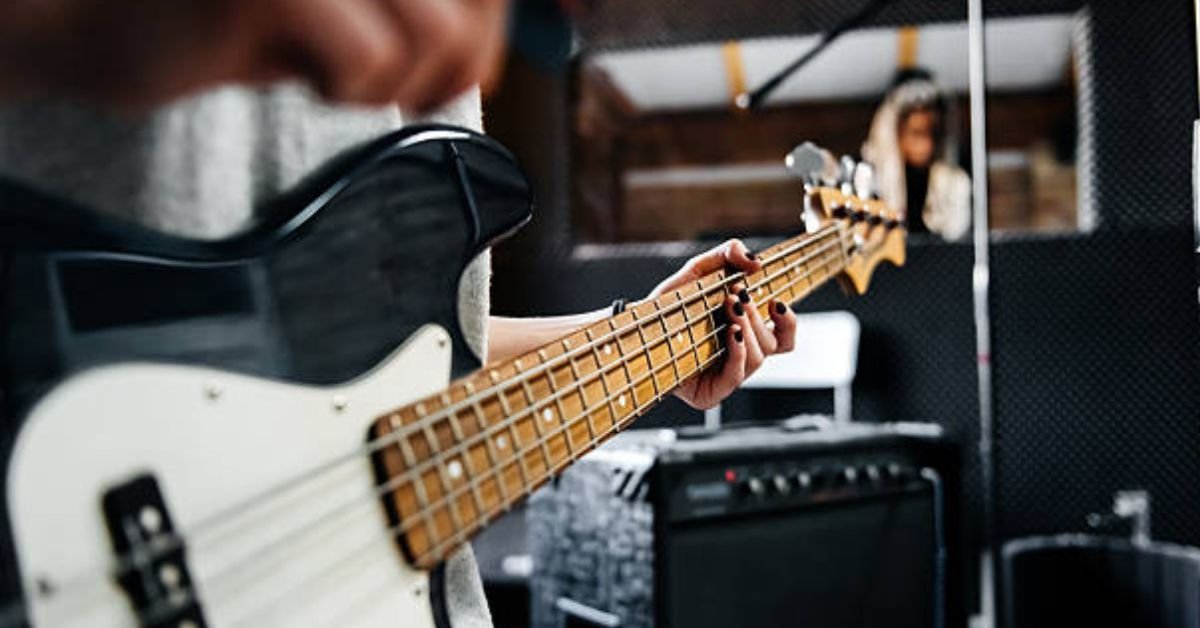
Playing guitar, it’s essential to understand the key differences between bass and guitar. The most obvious difference is the number of strings – guitars typically have six strings, while basses have four. You’ll also need to adjust to a different playing style, as guitar chords and melodies require a different technique than bass lines.
Choosing the Right Guitar Amp
When you bass to guitar, you’ll need to consider the type of amp that’s right for you. A bass to guitar amp can be a good starting point, but you may find that you prefer a different type of amp as you become more comfortable with the instrument. Guitar amps come in a range of styles and sizes, from small practice amps to large stage amps.
If you’re on a budget, you might be looking for a bass amp cheap that’s suitable for guitar. While it’s possible to use a bass amp for guitar, it’s not always the best option. Bass amps are designed to handle low-frequency notes, which can result in a muddy or unclear sound when playing guitar.
Tips for Making the Transition
So, how do you make the transition from bass to guitar? Here are a few tips to get you started:
- Start with a simple guitar – you don’t need a fancy or expensive instrument to begin with.
- Practice regularly – even 15-20 minutes a day can make a big difference.
- Focus on chord shapes and finger placement – these are essential skills for any guitarist.
For example, you might start by learning simple chords like A, C, and G. As you become more comfortable, you can move on to more complex chords and techniques.
“I was a bassist for years, but I decided to switch to guitar to challenge myself and explore new musical possibilities. It wasn’t easy at first, but with practice and patience, I’ve been able to develop my skills and enjoy the process of learning a new instrument.”
Frequently Asked Questions
Q: Will my bass playing experience help me when switching to guitar?
A: Yes, your experience playing bass can be beneficial when switching to guitar. You’ll already have a good understanding of rhythm and timing, and your hand-eye coordination will be well-developed.
Q: What type of guitar is best for a bassist?
A: As a bassist, you may prefer a guitar with a similar feel and playability to your bass. Look for a guitar with a comfortable neck and a body shape that suits your playing style.
Q: Can I use my bass amp for guitar?
A: While it’s possible to use a bass amp for guitar, it’s not always the best option. Bass amps are designed to handle low-frequency notes, which can result in a muddy or unclear sound when playing guitar.
Q: How long will it take to become proficient on guitar?
A: The amount of time it takes to become proficient on guitar will depend on your practice schedule and individual progress. With regular practice, you can develop your skills and become a competent guitarist in a relatively short period.
Conclusion
Bass to guitar, remember that it’s a journey, not a destination. With patience, practice, and persistence, you can develop your skills and enjoy the process of learning a new instrument.
CLICK HERE FOR MORE BLOG POSTS

“In a world of instant takes and AI-generated noise, John Authers writes like a human. His words carry weight—not just from knowledge, but from care. Readers don’t come to him for headlines; they come for meaning. He doesn’t just explain what happened—he helps you understand why it matters. That’s what sets him apart.”