
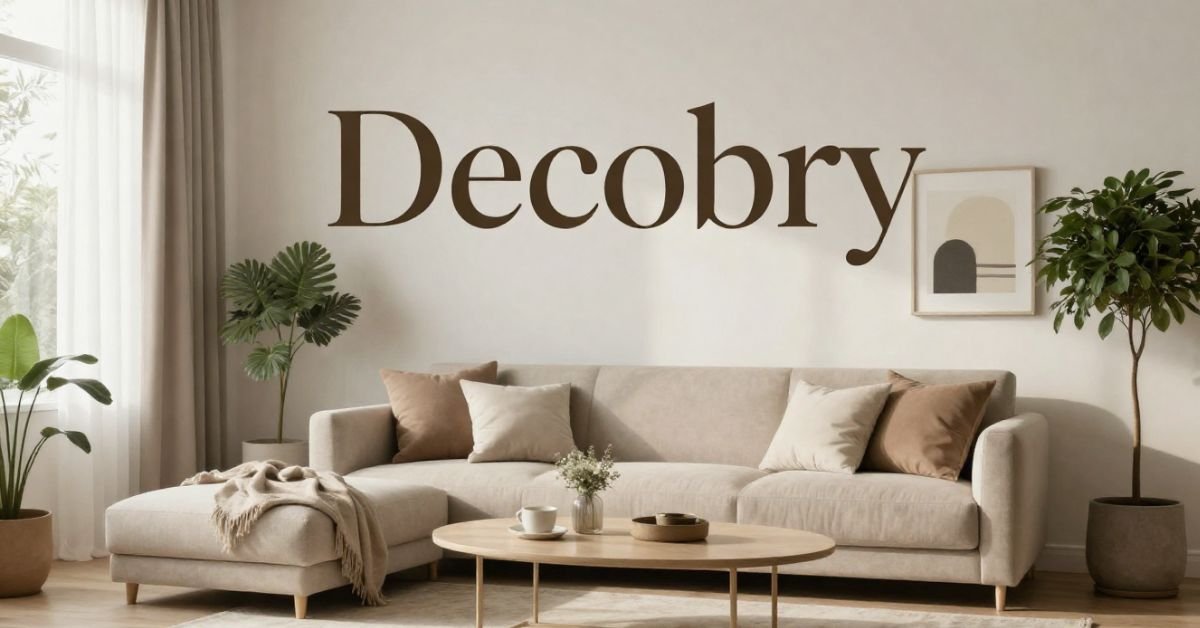
Decobry is a philosophy for modern living built on the idea of decorative clarity: the belief that every object in your space should earn its place by being both beautiful and useful. This guide covers everything you need to know to embrace Decobry from its core pillars to room-by-room application, sustainable shopping, and practical FAQs. Whether you’re decorating from scratch or refreshing a tired space, Decobry offers a flexible, budget-friendly framework for a home that genuinely reflects who you are.
What is Decobry? Understanding the Philosophy
The name Decobry fuses “Deco” a nod to the bold geometry and glamour of the Art Deco movement with “Bry,” a softer suffix evoking warmth, approachability, and personality. The result is a design language that borrows the clean lines and purposeful structure of Art Deco without its rigidity, making it accessible for everyday homes, renters, and real budgets.
Decobry is about meaning in your spaces. It asks: why is this object here? Does it bring me joy? Does it serve a function? Does it harmonize with its surroundings? These aren’t abstract questions they’re practical filters that help you avoid impulse buys, reduce visual noise, and build a home that supports rather than stresses you.
The Three Pillars of Decobry Design
Visual Harmony
Visual harmony is the art of creating a sense of flow throughout a room the feeling that everything belongs together even when it doesn’t match perfectly. In Decobry design, this is achieved through a foundation of neutral bases (soft whites, warm grays, natural linen) layered with bold pops of character. Think a warm burnt orange cushion on a beige sofa, or a deep green ceramic vase on a pale oak shelf.
Texture is equally important. Mixing materials linen against metal, wood beside ceramic, stone touching glass adds visual richness without introducing chaos. When in doubt, limit your color palette to three to four tones and let texture do the heavy lifting.
Functional Creativity
Functional creativity means choosing items that are both beautiful and useful. A storage ottoman that doubles as a coffee table. A wall-mounted desk that folds away when not in use. Modular furniture that can be reconfigured as your life changes. In a Decobry home, beauty and practicality are not competing values they are the same thing.
This pillar is especially powerful in small spaces. When every square foot counts, every object should pull double duty. Shelf styling can incorporate books, baskets, and plants in a single composition. A beautiful tray on a counter organizes clutter while adding a styled vignette. Functional creativity turns constraints into creative challenges.
Intentional Aesthetics
Intentional aesthetics is the practice of making mindful choices that reflect your values, not just current trends. It’s the antidote to buyer’s remorse and the cure for a home that looks styled but feels hollow. Before purchasing anything, Decobry encourages a moment of self-reflection: does this align with how I want to live? Will I still love this in five years? Does it serve a real purpose in my daily life?
The result is a home with timeless appeal spaces that don’t need constant refreshing because they were built on personal style rather than seasonal trends. Intentional aesthetics is also what gives Decobry its warmth: a room filled with objects that mean something to you always feels more alive than a showroom.
How to Apply Decobry Principles in Every Room
Understanding the philosophy is one thing putting it into practice is another. Here is how to apply Decobry’s three pillars room by room, with actionable advice for real-world spaces.
The Decobry Living Room: Balancing Comfort and Style
The living room is where Decobry shines brightest. Start with furniture placement: arrange seating to encourage conversation rather than defaulting to a screen-focused layout. If a television is present, consider a projector or a flush-mounted screen that disappears when not in use, keeping the room’s visual harmony intact.
Layered lighting is non-negotiable. A single overhead fixture flattens a room and strips it of atmosphere. Build in at least three light sources an overhead pendant or recessed light for task and general use, a floor lamp for reading corners, and table lamps or candles for warmth in the evenings. Smart bulbs let you shift the color temperature from bright and energizing during the day to warm and amber at night.
Incorporate natural elements wherever possible. A low-maintenance plant on a shelf, a wooden bowl as a fruit centerpiece, a woven basket as a throw blanket storage solution these small touches connect the interior to the natural world and create the warm, grounded feeling central to Decobry living.
The Decobry Home Office: Boosting Focus and Productivity
Research consistently links visual clutter with elevated cortisol levels and reduced focus. A Decobry home office starts with cable management: use cable clips, under-desk trays, or furniture with built-in cable routing to eliminate the visual chaos of tangled cords. This single change can transform the energy of a workspace almost instantly.
Choose an adjustable desk if possible, paired with an ergonomic chair that doesn’t look like a piece of medical equipment. Many contemporary ergonomic chairs now come in linen, warm leather, or soft mesh that integrates naturally into a styled space. On the desk itself, apply the “tray principle”: keep a single styled tray for daily essentials a pen, a notebook, your phone and store everything else out of sight.
Decobry for Small Spaces and Renters
Renting should never be a barrier to a beautiful home. Decobry’s toolkit for renters and small spaces is extensive. Removable wallpaper can transform a plain rental wall into an accent feature with zero damage. Command strips hang artwork, shelves, and mirrors without a single nail. Bookshelves and open shelving units serve double duty as room dividers and display space, creating zones in open-plan apartments.
In small spaces, maximize vertical storage. Wall-mounted shelves draw the eye upward and free up floor space for movement. Area rugs define zones visually, making a studio feel like a multi-room apartment. Mirrors strategically placed opposite windows double natural light and create the illusion of depth.
Sustainable Design: The Eco-Friendly Heart of Decobry
Decobry stands in direct opposition to the fast furniture industry the throwaway culture of cheap, trend-driven pieces that end up in landfill within a few years. At its core, sustainable design is not an add-on to Decobry; it’s built into the philosophy. Choosing quality items, buying second-hand, caring for what you own, and selecting responsibly sourced wood, reclaimed materials, and durable finishes are all natural expressions of intentional aesthetics.
How to Shop the Decobry Way
The Joy of Secondhand
Vintage and antique shopping is one of the most Decobry-aligned activities you can do. A mid-century side table from an estate sale carries history, quality craftsmanship, and a uniqueness that no flat-pack furniture can replicate. Charity shops, car boot sales, online marketplaces, and antique fairs are all rich sources of character pieces at accessible prices. The key is patience: shop with a clear vision of what you need rather than browsing aimlessly.
Investment Pieces vs Trendy Finds
A practical Decobry shopping framework: spend on the bones, save on the accessories. Your sofa, bed frame, dining table, and primary storage pieces are investment items buy the best quality you can afford, because these are the pieces that define a room’s foundation and will outlast a dozen trend cycles. Throw pillows, vases, candles, and decorative objects are trendy finds these are the places to experiment, express personality, and refresh the space affordably over time.

Furniture Maintenance for Longevity
Caring for furniture is a deeply Decobry act. Oil wooden surfaces annually to prevent drying and cracking. Treat leather with conditioner every few months to maintain its suppleness. Reupholster chairs rather than replacing them. Repair scratched surfaces with wax sticks. These small habits extend the life of your furniture by years, reduce waste, and save money in the long run.
Bringing Technology and Nature Together
Modern life is inseparable from technology, but smart home devices can be integrated into a Decobry aesthetic without sacrificing warmth. The rule is simple: if a device needs to be visible, make it beautiful; if it doesn’t, hide it. Charging cables can be routed through furniture or stored in stylish cable boxes. Smart bulbs give you full control over lighting mood without altering the look of your existing fixtures.
Against the cool surfaces of technology, natural elements provide essential warmth. This is the principle of biophilic design the human instinct to connect with nature, even indoors. Plants not only purify the air but also introduce organic color and living texture that no manufactured product can replicate. Wood tones, stone, woven textiles, and water features all reinforce this connection. In a Decobry home, technology and nature are not in conflict: they are held in thoughtful balance.

Frequently Asked Questions About Decobry
What is the difference between Decobry and Minimalism?
Minimalism prescribes restraint as a rule fewer objects, neutral palettes, empty surfaces. Decobry, by contrast, is about intention rather than quantity. A Decobry home can have rich textures, bold colors, and meaningful collections, as long as each element serves a purpose and contributes to visual harmony. Where minimalism asks “how little can I have?”, Decobry asks “does this belong here?” The results often look similar, but the philosophy is more inclusive and flexible.
Can I use Decobry principles if I rent my apartment?
Absolutely. Decobry was designed with renters in mind. Removable wallpaper, peel-and-stick tiles, furniture arrangements, layered rugs, and gallery walls hung with command strips are all tools that transform a rented space without any permanent changes. The philosophy’s emphasis on personal style and intentional choices means it works within constraints rather than requiring a blank canvas.
Where can I buy Decobry-style furniture?
You don’t need a dedicated Decobry retailer to shop the style. Look for pieces that combine function and beauty in vintage markets, ethical furniture brands, sustainable homewares shops, and mainstream retailers’ more considered ranges. IKEA’s natural wood and modular lines, alongside vintage marketplace finds, can be combined to achieve a full Decobry interior at almost any budget.
Is Decobry an expensive design style?
No in fact, one of Decobry’s core principles is budget layering: building a beautiful space incrementally, starting with a few quality foundation pieces and adding character objects over time. Because the style discourages impulse buying and trend-chasing, it often leads to less spending overall. Secondhand shopping, furniture maintenance, and DIY upcycling are all encouraged as Decobry-aligned behaviors.
How do I start with Decobry if I’m overwhelmed?
Start small. Pick one room even one corner of one room and apply the three-pillar filter: does this create visual harmony? Is it functionally creative? Was this choice intentional? Begin by removing items that don’t pass this test rather than buying anything new. Often, a Decobry transformation begins not with new purchases but with editing what you already own.
What are the best colors for a Decobry home?
Decobry favors neutral bases as the foundation: soft whites, warm grays, and natural linen tones create a calm backdrop that allows accent colors to breathe. From there, choose one or two “character colors” that feel personal and timeless burnt orange, deep green, dusty blue, and terracotta all appear frequently in Decobry-aligned interiors. The rule is that bold colors should appear in smaller, moveable objects (cushions, vases, artwork) rather than large surfaces, keeping the space flexible as your tastes evolve.
Final Thoughts
Decobry is ultimately a love letter to the idea that your home should feel like you. Not a showroom. Not a trend-board. Not an aspirational version of someone else’s life. By applying the three pillars visual harmony, functional creativity, and intentional aesthetics room by room, purchase by purchase, and repair by repair, you build a space that is genuinely yours: beautiful, purposeful, and made to last.
The best time to start is now. Put down this guide, walk into a room, and ask yourself: what belongs here, and why? That’s the first step of every Decobry transformation.
CLICK HERE FOR MORE BLOG POSTS

“In a world of instant takes and AI-generated noise, John Authers writes like a human. His words carry weight—not just from knowledge, but from care. Readers don’t come to him for headlines; they come for meaning. He doesn’t just explain what happened—he helps you understand why it matters. That’s what sets him apart.”