
Key Takeaways
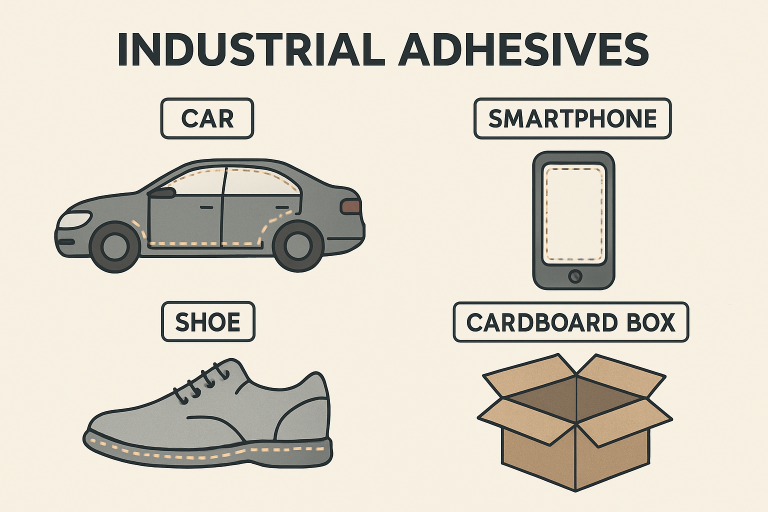
- Industrial adhesives are crucial to the functionality and longevity of products in the automotive, electronics, construction, and other industries.
- Each adhesive offers distinct properties—such as flexibility, strength, or temperature resistance—making them suited for specific uses.
- Proper adhesive selection enhances durability, boosts performance, and optimizes manufacturing processes for cost savings and improved product safety.
Industrial adhesives are a cornerstone of today’s manufacturing landscape, delivering the strength, flexibility, and long-lasting performance required across various products, including electronics, automobiles, and packaging. In the automotive sector, they are vital for bonding frames, windshields, and other structural components, thereby improving resistance to vibration, stress, and impact. Within electronics manufacturing, adhesives securely hold delicate components in place while also providing reliable electrical insulation. As industries adopt new materials and advanced production methods, adhesive technologies continue to evolve, necessitating ongoing refinement to ensure safety, regulatory compliance, and optimal performance. For high-speed packaging operations and demanding industrial applications, manufacturers often rely on proven solutions, such as NXT Level Packaging Hot Melt Adhesive, to meet the rigorous standards of modern production environments.
Navigating adhesive types is essential for optimizing product performance, safety, and cost. Choosing the right adhesive ensures lasting bonds, minimizing failure risks. Factors such as material types, temperature, humidity, chemical exposure, and flexibility requirements are vital in making an informed choice. For both industrial professionals and DIY enthusiasts, understanding adhesive selection is key to achieving durable repairs and enhancing reliability.
Epoxy Adhesives
Epoxy adhesives are the backbone of demanding structural applications, renowned for their outstanding strength, chemical resistance, and ability to withstand extreme temperatures. By combining a resin with a hardener, epoxy forms a tough, rigid bond that withstands the rigors of both industrial and daily use. This two-part system allows for customized curing times, enabling manufacturers to adapt the bond for slow or rapid production requirements. Epoxy adhesives often outperform mechanical fasteners because they distribute stress evenly, reduce weight, and eliminate the need for drilling or riveting. Their versatility spans from bonding metals and composites in heavy machines to repairing cracks in concrete floors and installing anchor bolts.
- Aerospace and Automotive Parts: Epoxy’s reliability under harsh conditions ensures the safety and longevity of critical components, such as metal-to-metal bonds, fiber-reinforced composites, and engine parts exposed to heat and vibration.
- Electrical Components: Frequently used for encapsulating and insulating sensitive electronics, epoxies keep devices operational even in challenging environments where exposure to dust, moisture, or chemicals is a daily occurrence.
In-depth information about epoxy applications and safety considerations can be found at ThomasNet.
Polyurethane Adhesives
Polyurethane (PU) adhesives are highly valued for their unique combination of flexibility, resilience, and strong adhesion, facilitating the bonding of materials that may expand or contract over time. Unlike brittle adhesives, PU can absorb vibration and withstand repeated stress, making it ideal for products exposed to dynamic loads or cyclic movements. Its waterproof nature also makes PU adhesives a favorite for both interior and exterior use, particularly when environmental exposure is expected. Thanks to their firm and elastic bonds, polyurethane adhesives are utilized in applications where impact and movement are inevitable, yet maintaining structural integrity remains essential.
- Footwear Manufacturing: PU adhesives withstand the bending and twisting of shoes and sneakers, resulting in longer-lasting products that resist sole separation and wear from constant movement.
- Construction Materials: Used to bond panels, insulation, and seal joints, PU adhesives help ensure building components remain weather-tight, energy-efficient, and securely fastened even in harsh climates.
Acrylic Adhesives
Acrylic adhesives set rapidly while delivering excellent durability and resistance to a range of harsh environmental factors, including UV light, moisture, and temperature variations. Unlike some other adhesive types, acrylic bonds remain clear and non-yellowing, making them suitable for aesthetic applications where appearance is crucial. Their quick cure times enable fast-paced assembly lines to enhance productivity while ensuring robust and long-lasting joints. Acrylics are also prized for bonding heterogeneous materials, such as plastics to metals or glass, as their chemical formulation supports a broad spectrum of substrate compatibility.
- Signage and Displays: The clarity and non-yellowing properties of acrylics make them ideal for transparent signage, trade show exhibits, and architectural displays where bond lines should be almost invisible.
- Automotive Trims: Used throughout vehicle interiors and exteriors, acrylic adhesive strips and tapes provide secure, long-lasting attachments that must withstand both interior heat and exposure to sunlight.
For more business applications of adhesives, see the coverage by ASSEMBLY Magazine.
Silicone Adhesives
Silicone adhesives offer unparalleled flexibility and resilience in both high-heat and sub-zero conditions. They form elastic, durable bonds that can stretch and compress without tearing, especially valuable where components must remain sealed against air, water, or chemicals. Their resistance to UV light and ozone ensures longevity in outdoor installations, while their chemically inert nature makes them compatible with sensitive devices and health-related products.
- HVAC Systems: Silicones seal HVAC ducts, preventing fumes and air leaks, and withstand wide temperature variations in both residential and commercial heating and cooling systems. Their flexibility keeps joints sealed through thermal cycling.
- Medical Devices: Chosen for their compatibility with human tissue and their ability to endure repeated sterilization processes, silicone adhesives are crucial to many medical, dental, and laboratory products, from tubing to diagnostic assemblies.
Hot Melt Adhesives (HMAs)
Hot melt adhesives stand out for their speed, simplicity, and impressive bonding strength on a variety of substrates, including cardboard, wood, plastics, and textiles. Applied in a molten state, these adhesives quickly cool to form robust, gap-filling bonds, making them a mainstay in high-speed automated production environments. Hot melts require minimal drying time, reducing production bottlenecks, and their formulation can be adjusted to suit tailored open times and bond strengths for each application.
- Packaging: HMAs are a cornerstone of modern packaging lines, sealing boxes, cartons, and product assemblies with consistency and speed. They’re valued for their ability to automate repetitive tasks, ensuring tamper-proof and durable closures.
- Bookbinding: Providing the strength needed to ensure books can be opened and closed hundreds of times without losing pages or covers, these adhesives contribute to the durability and longevity of both softcover and hardcover books.
To learn more about hot melt technology and its benefits, visit Packaging Digest.
Cyanoacrylate Adhesives
Cyanoacrylate adhesives, commonly known as super glue, are renowned for their ability to bond materials in seconds and form strong, rigid joints. Their unmatched versatility and rapid-cure chemistry make them indispensable for both industrial assembly operations and quick, at-home consumer repairs. While cyanoacrylates are effective on a wide range of substrates, including plastics, metals, ceramics, and even skin, they are best suited for applications where a clear, strong bond is required and minimal movement is anticipated.
- Household Repairs: Suitable for fixing broken household items, toys, ceramics, eyeglass frames, or quick repair tasks that require an instant, rigid hold with minimal setup or clamping.
- Electronics: Commonly used to secure wires, small parts, and connections within compact consumer electronics and gadgets, cyanoacrylate glues provide a fast and durable bond that keeps devices running smoothly.
Conclusion
The world of industrial adhesives is broad, diverse, and continuously evolving. From heavy-duty construction and advanced manufacturing to intricate medical devices and everyday household repairs, adhesives are a crucial component in ensuring products are safe, durable, and functional. By understanding the unique strengths and everyday applications of each adhesive type, individuals and businesses alike can optimize their processes, reduce failures, and deliver reliable results in their respective fields. Ultimately, the choice of adhesive can make the difference between products that stand the test of time and those that fail prematurely, emphasizing the essential role adhesives play in modern life and industry.

MOBI ROLLER is a tech enthusiast with a background in technology. He writes about the latest trends, tools, and innovations in the tech world, sharing insights based on both knowledge and experience.