
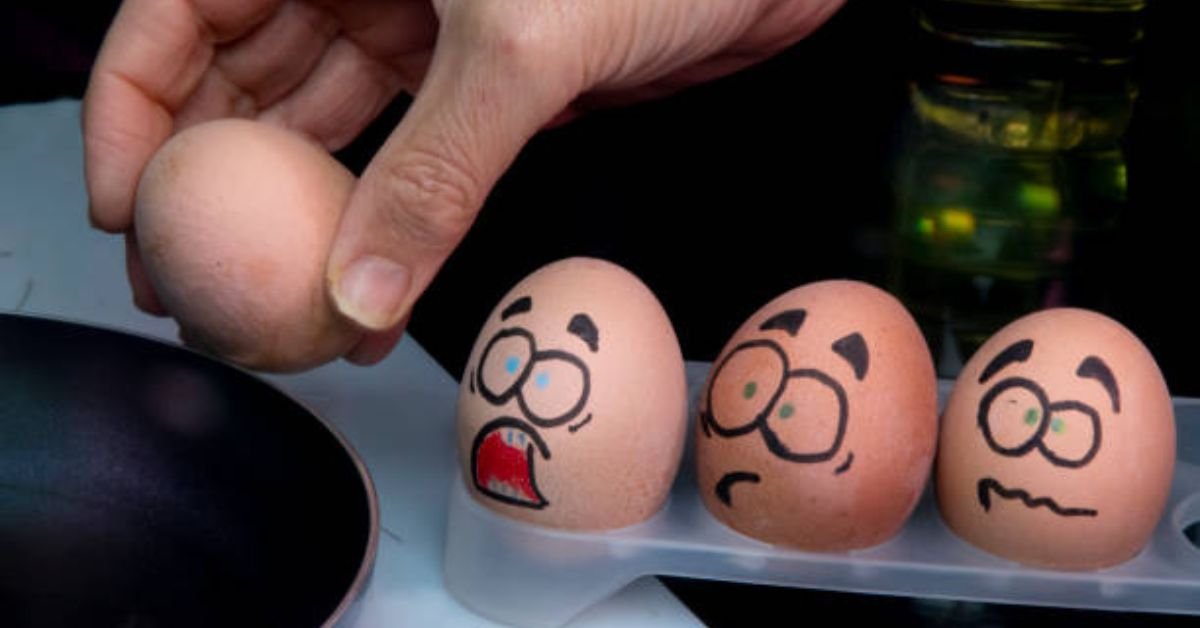
Eggs can be a staple in many kitchens, but their freshness can be a concern. So, how do you determine if your eggs are still good to use? One simple method is the water test. How to tell if eggs are bad in water is a common query, and the answer lies in the egg’s buoyancy.
To perform the water test, gently place the egg into a bowl of cold water. If it sinks to the bottom and lies flat, it’s likely fresh. If it stands on its end or floats, it may be old or spoiled. But what does this mean exactly? Let’s dive deeper.
The Science Behind the Water Test
When an egg ages, the air pocket inside the shell grows larger. This is because the egg loses moisture through the shell, causing the air pocket to expand. As a result, the egg becomes less dense and more buoyant. So, is an egg bad if it sinks? Not necessarily. If an egg sinks but stands on its end, it may still be good to eat, but it’s likely older and should be used soon.
Checking Eggs After Cracking
Sometimes, you might not discover an egg is bad until after you’ve cracked it open. How to tell if eggs are bad after cracking is a crucial question, as it can be a sign of spoilage. When you crack open an egg, check for any visible signs of spoilage, such as an off smell, slimy texture, or unusual color.
If the egg looks and smells normal, it’s likely safe to eat. However, if you notice any of these signs, it’s best to err on the side of caution and discard the egg.

Tips for Storing Eggs
Proper storage is key to maintaining egg freshness. Store eggs in the refrigerator at a consistent temperature below 40°F (4°C). Keep them in their original carton to prevent moisture and other flavors from affecting the eggs.
“I always store my eggs in the fridge and check them regularly for any signs of spoilage,” said a home cook. “It’s a simple habit that gives me peace of mind when cooking with eggs.”
FAQs
Q: How can I tell if eggs are bad?
A: You can check eggs by performing the water test or looking for visible signs of spoilage after cracking them open.
Q: Is an egg bad if it floats in water?
A: If an egg floats in water, it’s likely old or spoiled. However, if it sinks but stands on its end, it may still be good to eat but is likely older.
Q: Can I still eat eggs that are past their expiration date?
A: Yes, but it’s essential to check their freshness using the water test or by looking for signs of spoilage.
Q: How should I store eggs to keep them fresh?
A: Store eggs in the refrigerator at a consistent temperature below 40°F (4°C) and keep them in their original carton.
Conclusion
How to tell if eggs are bad is crucial for safe and healthy cooking. By following these simple tips and tests, you can enjoy fresh eggs with confidence. Explore more about egg freshness and safety to become a more informed cook.
CLICK HERE FOR MORE BLOG POSTS

“In a world of instant takes and AI-generated noise, John Authers writes like a human. His words carry weight—not just from knowledge, but from care. Readers don’t come to him for headlines; they come for meaning. He doesn’t just explain what happened—he helps you understand why it matters. That’s what sets him apart.”