
Maintaining the health and appearance of trees on your property is one of the best ways to boost curb appeal and encourage local biodiversity. Thoughtful tree care not only adds shade and beauty but also protects your investment and the local ecosystem. Working with professionals like Fielding Tree Care can make regular maintenance much easier, ensuring your trees receive the attention they need to thrive for years to come.
Whether you are cultivating newly planted saplings or managing mature shade trees, incorporating regular inspections, refined watering habits, and proper pruning can make a significant difference. A balanced approach to mulching and a careful avoidance of common mistakes will help your landscape flourish. By making informed choices and staying proactive, you can enjoy healthy, resilient trees year-round.
Every yard is unique, and the right tree care strategy considers your specific climate, the types of trees you grow, and the unique challenges they face each year. With some planning, you can help your landscape weather unpredictable storms, pest outbreaks, or drought. Knowing when to reach out to experts for support is an integral part of responsible tree stewardship.
Following proven methods for tree care promotes not only the health of your trees, but the safety and enjoyment of your outdoor space for years to come. To learn more about the science behind these recommendations, check out this guide from the Arbor Day Foundation.
Regular Inspections
Performing monthly tree checks is essential. Inspect leaves and branches for signs like discoloration, irregular leaf drop, and unusual growth habits that may indicate disease, pest infestations, or structural weakness. Pay close attention to the bark for cracking, oozing, or sections peeling away, as these can be telltale signs of deeper health issues. Early identification of trouble spots allows you to take action before problems spread, protecting both the tree and the surrounding vegetation.
Proper Watering Techniques
The amount and frequency of water your trees need depend on their species, age, and your local climate. Young trees need frequent watering to establish strong roots, while mature trees benefit from deep watering spaced further apart. Check soil moisture several inches below the surface before watering and avoid keeping the soil continually soggy, as poor drainage can cause root rot or make trees susceptible to disease. Deep, infrequent watering encourages roots to grow deeper into the soil, resulting in sturdier, healthier trees.
Mulching Done Right
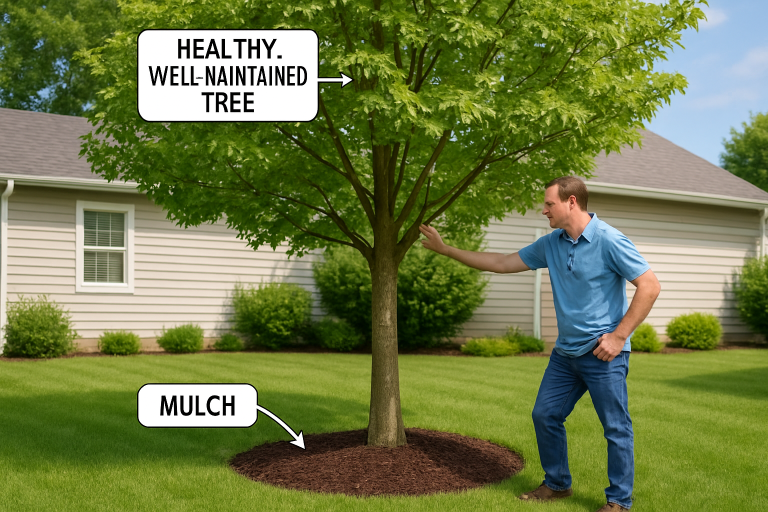
Mulch moderates soil temperature, maintains moisture, and suppresses weed competition, but applying it can be harmful. Resist the urge to build up thick “volcanoes” of mulch directly against the trunk. This practice retains excess moisture and invites pests, leading to accelerated decay right at the base. Instead, use a 2- to 4-inch layer in a wide, even ring around the tree, keeping mulch a few inches clear of the trunk. This technique improves root health and provides the tree with essential protection year-round.
Pruning for Health and Safety
Pruning is vital for managing a tree’s shape, safety, and productivity. Remove dead, damaged, or crossing branches to promote a healthy structure and increase sunlight and airflow through the canopy. The ideal time to prune is late winter or early spring, when the tree is still dormant—avoid significant pruning, which can stress the tree or trigger excessive, weak growth. Proper pruning keeps trees stronger and less susceptible to storm damage or disease. The Old Farmer’s Almanac offers best practices for seasonal pruning and timing.
Common Tree Care Mistakes to Avoid
- Over-Mulching: Thick mounds of mulch can suffocate roots, starve trees of oxygen, and encourage harmful rot and fungal growth.
- Improper Pruning: Lopping off large limbs or “topping” trees can create weak regrowth, open wounds, and make trees prone to disease.
- Neglecting Watering Needs: Both underwatering and overwatering can cause stress, weaken your trees, and create the perfect environment for pests and diseases to take hold.
Seasonal Tree Care Tips
Tree care routines should change with the seasons to accommodate shifts in growth, weather, and environmental hazards:
- Spring: Check trees for winter injury, fertilize if needed, and start watering as new growth begins.
- Summer: Watch for signs of pests and disease, and provide supplemental water during hot, dry periods.
- Fall: Clean up fallen leaves, add a fresh mulch layer to insulate roots, and water deeply before winter.
- Winter: Prune trees while dormant and use tree guards on younger specimens to protect them from animals such as deer and rabbits.
When to Call a Professional Arborist
Certain situations call for the knowledge and equipment only an experienced arborist can provide. Large limbs near power lines, signs of substantial disease or pest infestation, or major structural damage are all reasons to involve an expert. A certified arborist will conduct thorough assessments, recommend the safest solutions, and handle challenging jobs best left to professionals.
- Handling high-risk or heavy pruning
- Diagnosing and treating complex diseases or infections
- Safely removing hazardous or storm-damaged trees
Consult with an ISA-certified arborist if you have concerns about the safety or health of your most significant or oldest trees. Their training ensures your trees and property remain safe year-round.
Conclusion
Investing time and care in your trees pays long-term dividends in property value, neighborhood beauty, and environmental benefit. With regular inspections, smart watering, thoughtful mulching, and timely professional input, your trees can remain a source of pride and enjoyment for generations. Remember, your yard’s trees are a living investment; treat them right, and they will return the favor for decades to come.
CLICK HERE FOR MORE BLOG POSTS

“In a world of instant takes and AI-generated noise, John Authers writes like a human. His words carry weight—not just from knowledge, but from care. Readers don’t come to him for headlines; they come for meaning. He doesn’t just explain what happened—he helps you understand why it matters. That’s what sets him apart.”