

Table of Contents
- Importance of Spending Controls
- Implementing Clear Spending Policies
- Leveraging Technology for Spend Management
- Centralizing Spending Data
- Standardizing Budget Reporting
- Training and Empowering Employees
- Monitoring and Adjusting Spending Controls
- Conclusion
Managing business expenses effectively has become essential for companies seeking to maintain financial stability and drive growth in an ever-evolving marketplace. Navigating the economic complexities of modern business requires more than just setting a budget: it demands real-time oversight and proactive regulation of company finances. The right approach to spending controls not only minimizes unnecessary costs but also empowers businesses to make informed, data-driven decisions and protect their bottom line from avoidable threats. For growing organizations, tools such as startup credit cards offer tremendous value by delivering real-time visibility into company spending, enforceable transaction limits, and customized approval workflows that help keep all financial operations in check from day one. With comprehensive tools like these in place, businesses can operate with confidence as they scale and adapt to new challenges.
With rising competition, economic uncertainty, and rapidly changing operating costs, businesses must be proactive in setting clear guidelines and leveraging technology to improve their financial management practices. EAdequatespending controls help organizations reduce risks such as overspending, fraud, and regulatory noncompliance. Robust, efficient spend management lays the groundwork for long-term organizational resilience and operational agility, ensuring a business can weather unexpected disruptions, capitalize quickly on new growth opportunities, and maintain the trust of investors, partners, and employees alike.
Importance of Spending Controls
Robust spending controls are the backbone of effective financial management and stewardship in any organization. Without proper oversight, even the most successful business can quickly face avoidable losses, cash flow crunches, and reputational damage. Clear, well-communicated spending directives ensure that company funds are allocated based on strategic priorities, that fraudulent or unauthorized activities are detected early, and that leadership teams have access to accurate forecasts for better decision-making. Proper expense management becomes especially critical as a company grows: more employees, departments, and external vendors mean more opportunities for errors and lapses in oversight if controls are not strong. In a volatile economic environment, organizations armed with strong, transparent spending capabilities are much better equipped to seize new opportunities, control costs, and recover quickly from financial setbacks. Achieving this level of control gives companies the confidence to experiment, innovate, and scale, knowing that effective guardrails are in place to guide every transaction.
Implementing Clear Spending Policies
One of the most effective ways to improve expense management is to design straightforward, accessible spending policies that apply consistently across the organization. Strong policies clearly specify which expenses are permitted, outline pre-approval and reimbursement workflows, and establish spending limits tailored to each employee’s role, responsibilities, or department. By embedding controls into policy, such as requiring manager approval for higher-value purchases or using pre-set spending limits on employee cards, companies significantly reduce ambiguity and opportunities for error. Transparent internal communication is absolutely critical; all team members should understand not just the rules, but also the rationale behind them, as this encourages buy-in and voluntary compliance. A company culture that prioritizes financial integrity and accountability at every level strengthens the impact of controls, ensuring they are upheld even in fast-paced, high-growth periods.
Leveraging Technology for Spend Management
Modern spend management platforms and corporate cards have revolutionized how companies monitor, limit, and automate their spending controls, making these tasks far less manual and error-prone than in the past. Automation technology provides real-time transparency into every transaction for both employees and finance teams, enabling instant detection of policy breaches and immediate resolution. Sophisticated features such as automated approval chains, spend categorization, audit trails, and integration with accounting or ERP software streamline processes, facilitate compliance, and greatly reduce administrative workloads. According to a McKinsey & Company report, businesses that implement advanced, technology-driven spend controls have realized up to 30 percent savings on indirect costs within just one month. In a market where operational efficiency translates directly into competitive advantage, the measurable savings and performance improvements enabled by modern solutions make a compelling case for companies to evaluate and upgrade legacy systems.
Centralizing Spending Data
When expense data is fragmented across multiple departments, offices, or software platforms, companies risk introducing errors, overlooking duplicate payments, and missing out on cost-saving opportunities. Centralizing spending data in a single, cloud-based platform creates a transparent, comprehensive, and real-time record of all financial activity. This approach enables finance teams to generate actionable insights, analyze macro- and micro-trends, and deliver precise, auditable results for both internal leadership and external regulators. A unified system also reduces the time and headaches associated with manual data reconciliation, freeing up finance professionals to focus on higher-level tasks such as forecasting, strategy, and risk management. As highlighted by a Forbes Finance Council feature, centralizing financial data streamlines compliance, supports more agile decision-making, and informs strategic planning at every level of the enterprise.
Standardizing Budget Reporting
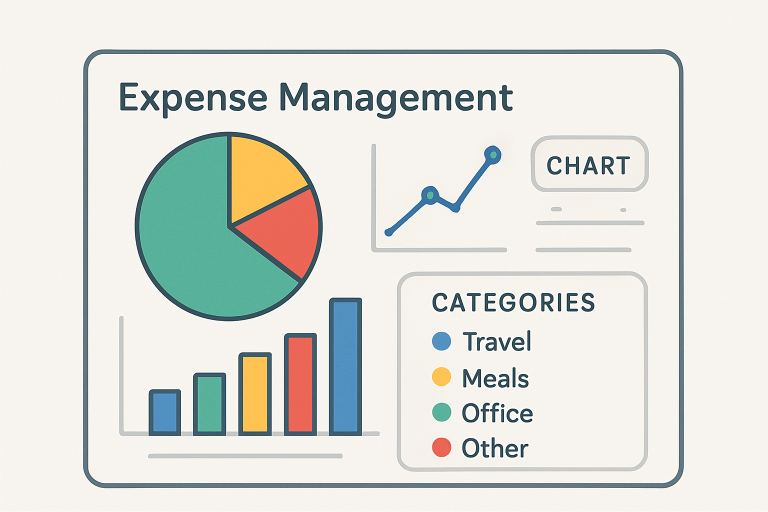
Financial data loses much of its value if each department or manager reports expenditures differently. By adopting standardized reporting templates and schedules, organizations ensure greater clarity, make it easier to compare spending across different business units, and enable more meaningful, enterprise-wide budget analysis. Standardization also simplifies auditing and financial review, reducing the likelihood of miscommunication, data discrepancies, or misaligned objectives. For finance, operations, and C-suite leaders, consistently formatted reports enable more direct collaboration and ensure resources are spent in ways that directly contribute to overarching business goals. In highly regulated industries or fast-moving startups, the ability to generate trusted reports at a moment’s notice demonstrates both transparency and discipline, earning credibility with external stakeholders along the way.
Training and Empowering Employees
Empowering employees is crucial for enforcing spending controls throughout the entire organization, not just the finance team. Regular training sessions, clear documentation, and open lines of communication ensure that team members of all backgrounds understand company policies, recognize suspicious or non-compliant activities, and feel capable of handling exceptions responsibly. Educational workshops and on-demand resources dramatically boost awareness of expense categories, approval escalations, and the broader significance of responsible financial management. As employees become more familiar with policies and their purposes, the number of accidental breaches, delays, or misunderstandings drops significantly. Empowered employees can serve as the first line of defense, reporting irregularities quickly and upholding accountability at every stage of the expense process.
Monitoring and Adjusting Spending Controls
Successful spending control systems are never static; they require ongoing attention and continuous improvement to remain effective. Regular spending audits, performance reviews, and feedback cycles help organizations catch inefficiencies, plug process gaps, and optimize cost savings as business needs evolve. Advanced monitoring tools provide real-time dashboards that alert leaders to irregularities or potential fraud, while detailed analytics enable businesses to revisit outdated policies and implement data-driven adjustments. Engaging with evolving industry best practices and thought leadership, such as those presented by Harvard Business Review, ensures that companies remain resilient, adaptable, and ahead of emerging risks. By treating spending control as a dynamic, high-priority function, companies can scale, pivot, and outlast their competition in even the most demanding landscapes.
Conclusion
Mastering spending controls is more than a routine task or checkbox activity; it is a decisive strategy that positions businesses for sustainable growth, risk reduction, and a lasting competitive edge. By establishing clear policies, leveraging advanced technology, centralizing financial data, standardizing budget reporting, investing in comprehensive employee training, and remaining agile with their monitoring and review processes, companies build a workplace culture rooted in fiscal discipline. Adopting these best-in-class practices ultimately leads to better decision-making, healthier cash flows, and the trustworthy financial foundation required to support long-term success in a highly dynamic world.

MOBI ROLLER is a tech enthusiast with a background in technology. He writes about the latest trends, tools, and innovations in the tech world, sharing insights based on both knowledge and experience.
This was inspiring and genuinely enjoyable.
Such a thrilling and inspiring read — well done!