
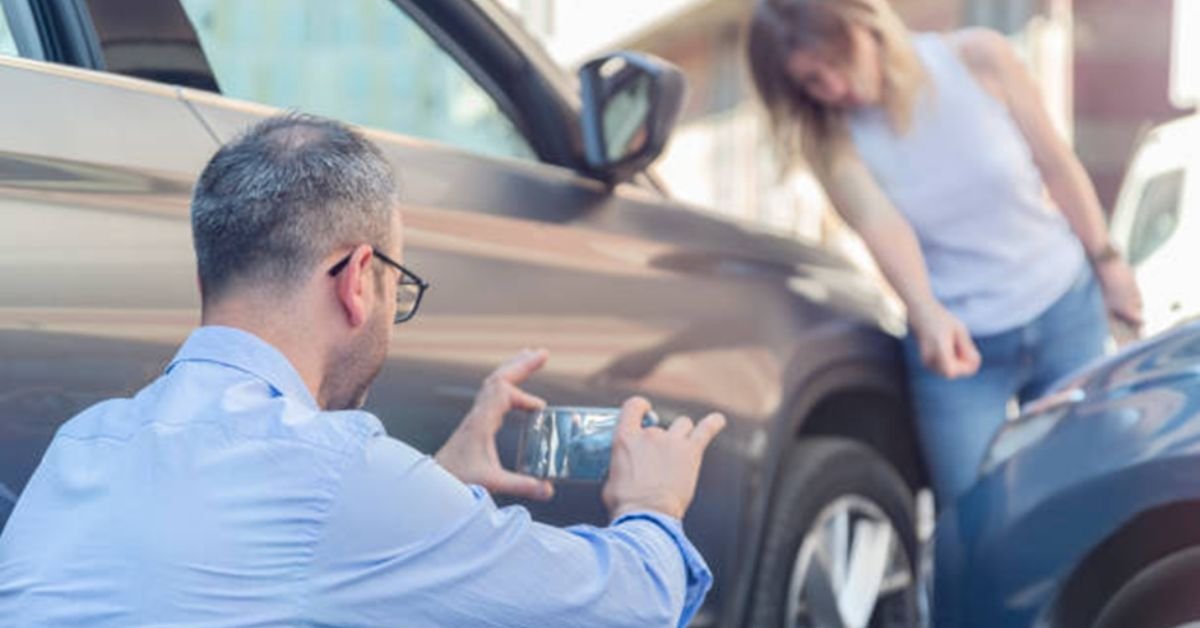
Digital evidence is basically any electronic data that can show what happened before, during, or after a car accident. Things like dashcam footage, phone records, GPS data, black box data from your car, and security camera footage. And it matters a lot in accident claims because, unlike witness statements, it doesn’t rely on anyone’s memory or opinion. It just shows what actually happened.
San Francisco is one of the most densely packed cities in the entire country, with over 870,000 people living in just 47 square miles. The streets are busy, the intersections are complicated, and accidents happen constantly – on Market Street, on the Bay Bridge, on the 101, everywhere.
With that much going on, figuring out who actually caused a crash isn’t always straightforward, and that’s exactly where digital evidence comes in. If you’ve been in a crash there, working with a car accident lawyer in San Francisco who knows how to find and use this kind of evidence can genuinely be the difference between a strong claim and a weak one.
What Kind of Digital Evidence Even Exists After a Car Accident?
More than most people realize. Your car itself is constantly collecting data. Most vehicles built after 2014 are required to have an event data recorder, which is basically a black box that records things like your speed, whether you braked, your seatbelt status, and throttle position in the seconds right before impact.
That data is completely objective and can tell investigators exactly what was happening inside the vehicle before the crash happened.
Then there’s dashcam footage, which is becoming more and more common. A dashcam captures the actual moment of impact plus the seconds leading up to it.
You get traffic conditions, signal changes, sudden lane switches, all of it on video with a timestamp. If you have one, that footage can be one of the most powerful pieces of evidence in your whole claim.
Beyond your own vehicle, there are surveillance cameras on businesses, traffic cameras at intersections, red-light cameras, parking garage cameras, and even doorbell cameras on nearby homes.
How Does Digital Evidence Actually Hold Up in Court?
The biggest reason digital evidence is so powerful in court is that it doesn’t have an opinion. A witness can be nervous, forget details, or get picked apart during cross-examination. Digital evidence just shows what it shows, and that’s a lot harder for the other side to argue against.
When an insurance company or defense attorney is looking for reasons to reduce or deny your claim, objective data makes that really difficult. It’s one thing to dispute what someone remembers seeing; it’s a completely different thing to dispute a timestamp, a GPS coordinate, or a recorded vehicle speed. Judges and juries tend to trust data because there’s no personal interest behind it.
The way it usually works is that your attorney organizes all the digital evidence into a clear timeline: this happened, then this happened, then this happened, and uses it to tell the story of the accident in a way that’s easy for everyone in the room to follow.
Photos, video clips, data readouts, animations built from black box data – all of it gets presented together to paint a picture that’s really hard to poke holes in.
That said, the evidence has to be properly handled to actually be used. It needs to be authenticated, meaning someone has to be able to confirm it’s real and hasn’t been tampered with.
Metadata and timestamps help with that. For more technical stuff like EDR downloads or phone forensics, an expert witness usually comes in to explain what the data means in plain terms so the jury actually understands it.
Key Takeaways
- Digital evidence includes dashcam footage, black box data, surveillance video, GPS records, phone data, and wearable device data.
- Black box data from your car’s event data recorder captures speed, braking, and other vehicle behavior in the seconds before impact.
- All digital evidence has to be properly collected, authenticated, and preserved to be usable in court.
- The more solid digital evidence you have, the less the case comes down to your word against theirs.
