

Key Takeaways
- Mock interviews serve as realistic practice sessions for honing interview skills.
- They help job seekers discover and improve weaknesses before a real interview.
- Routine practice lowers stress and enhances self-confidence.
- Constructive feedback leads to actionable improvement strategies.
Table of Contents
- Understanding Mock Interviews
- Benefits of Mock Interviews
- How to Conduct a Mock Interview
- Common Mock Interview Questions
- Incorporating Feedback for Improvement
- Real-Life Success Stories
- Conclusion
Standing out in today’s competitive job market requires more than a polished resume or the right qualifications. One of the most effective strategies job seekers can use to shine during the hiring process is practicing with mock interviews. These sessions prepare candidates to handle real-life scenarios, refine their answers, and boost their confidence before they ever sit down for the official conversation. Engaging in a mock interview provides a low-stakes environment where individuals can experiment with their approach and immediately receive valuable feedback, making every future interview a little less daunting.
Unlike traditional study methods, mock interviews simulate the real experience, from the pressure of on-the-spot questions to the nerves of being in the spotlight. This rehearsal opportunity is especially vital for those who struggle with interview anxiety or feel out of practice. By mimicking real interviews, candidates can identify and address weaknesses, refine their communication style, and walk into their next opportunity much more prepared to impress.
Repeated practice in a controlled environment not only polishes responses but also ensures that candidates can explain their skills and experiences concisely. It also boosts the self-assurance needed to engage authentically, a quality many hiring managers seek in their top candidates.
For anyone eager to develop interview skills, understanding the nuances of practice interviews is a game-changer. Investing time in this process can mean the difference between a forgettable meeting and a memorable impression that leads to a job offer. According to Harvard FAS, mock interviews help job seekers anticipate questions and articulate their experiences more convincingly, both of which are essential to a smooth interview.
Understanding Mock Interviews
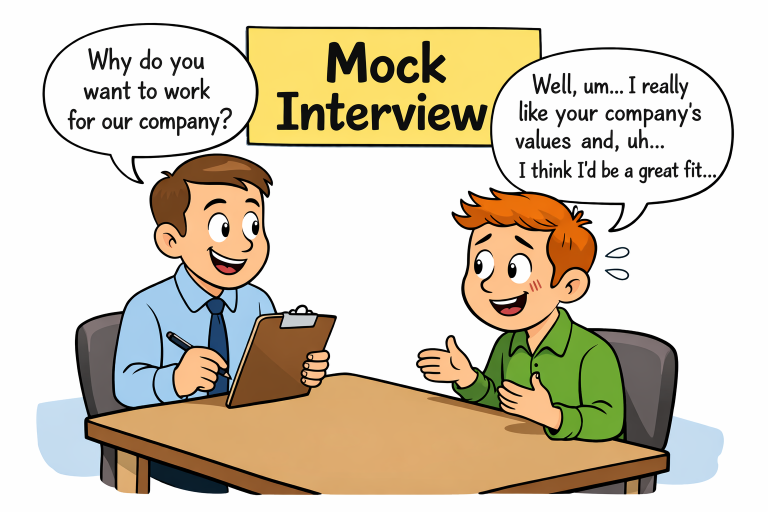
A mock interview is a practice session in which a candidate answers sample job interview questions in a simulated setting. These sessions are organized to closely mirror the experience of an actual interview, whether the format is virtual, in-person, or even on the phone. This gives candidates a vital opportunity to prepare their responses, practice non-verbal cues such as body language and eye contact, and acclimate themselves to the pressure of answering questions succinctly and confidently.
For those entering the workforce for the first time or returning after a break, mock interviews help restore familiarity with current recruitment standards and expectations. Individuals often leave these sessions with greater clarity about how to align their experiences with the job requirements.
Benefits of Mock Interviews
Mock interviews provide more than rehearsal. They offer guidance on presentation, structure, and delivery of answers, with several core benefits:
- Improvement of Communication Skills: Repeated question-and-answer formats enable finer articulation of one’s background and achievements.
- Increased Confidence: With each session, candidates grow less anxious and more poised under pressure.
- Opportunity for Constructive Feedback: Immediate critique from a mentor, coach, or peer enables actionable improvements before real interviews.
- Reduction in Interview-Related Stress: Confidence grows naturally as candidates become more familiar with difficult scenarios and unpredictable questions.
Regular practice is associated with more effective interview performance, which can ultimately translate into more job offers and career advancement. As outlined in a Harvard FAS article, simulated interviews can dramatically improve a candidate’s composure and ability to connect with interviewers.
How to Conduct a Mock Interview
Mock interviews are most valuable when structured carefully. Follow these steps for maximum impact:
- Find a Skilled Interviewer: Ask a knowledgeable friend, mentor, or professional coach who can ask probing questions and provide honest feedback.
- Prepare a Question Set: Select questions that mimic those commonly asked by employers, including both behavioral and technical topics specific to your field.
- Create a Realistic Setting: Dress as you would for the interview and rehearse in a professional environment, either virtually or in person, to mirror the actual process.
- Record Your Interview: Use a camera or audio recorder to review your performance and identify areas for refinement.
- Request Detailed Feedback: Allow the interviewer to share both general impressions and specific examples of strengths and areas for improvement. Apply these insights to subsequent sessions.
Common Mock Interview Questions
Some questions appear in interviews across industries and roles. Practicing these will ensure you are prepared for the basics and better able to tailor your answers as needed. Frequent questions include:
- “Can you tell me about yourself?”
- “What are your most relevant strengths and weaknesses?”
- “Describe a time you faced a workplace challenge. How did you resolve it?”
- “Why do you want this job, and what attracts you to our company?”
- “What are your career goals for the next five years?”
Expanding your practice set by referencing resources such as this Harvard FAS article is an excellent way to diversify your understanding of what may be asked and how to respond effectively.
Incorporating Feedback for Improvement
Feedback is critical for mastering interviews. Successful candidates know how to harness feedback for rapid progress. Here are the key steps:
- Identify Patterns: Note recurring critiques or comments and prioritize them for action.
- Build an Improvement Plan: Focus on concrete steps, from rehearsing high-priority questions to practicing confident posture or refining verbal delivery.
- Reapply in New Sessions: Use each round of feedback to improve future mock interviews, and document your strengths as well as new target areas.
The process is iterative and, over time, leads to smoother, more authentic interview skills that set you apart from the competition.
Real-Life Success Stories
Many professionals credit mock interviews as the turning point in their journey from candidates to hires. Take, for example, an applicant in the tech industry who, after several disappointing interviews, committed to weekly mock sessions. By focusing on answering technical questions succinctly and refining their storytelling, they eventually found themselves confident and persuasive in front of real employers. The result was a dream job offer that validated every hour spent practicing.
This story, echoed by countless others, demonstrates that with focused preparation and a willingness to improve, even the most challenging career transitions can lead to remarkable outcomes.
Conclusion
Mock interviews are among the most effective practices for job seekers and professionals seeking advancement. With a safe space to practice answers, receive candid feedback, and adapt strategies, candidates become more prepared for every aspect of the hiring process. By making mock interviews a key part of your preparation, you can improve communication, reduce anxiety, and meaningfully increase your chances of landing your next role. Consistent preparation leads to consistent results, and nowhere is this truer than in career development.

MOBI ROLLER is a tech enthusiast with a background in technology. He writes about the latest trends, tools, and innovations in the tech world, sharing insights based on both knowledge and experience.