
Table of Contents
- Common Dental Emergencies
- Immediate Steps to Take
- Finding Emergency Dental Care
- Preventive Measures
- Conclusion
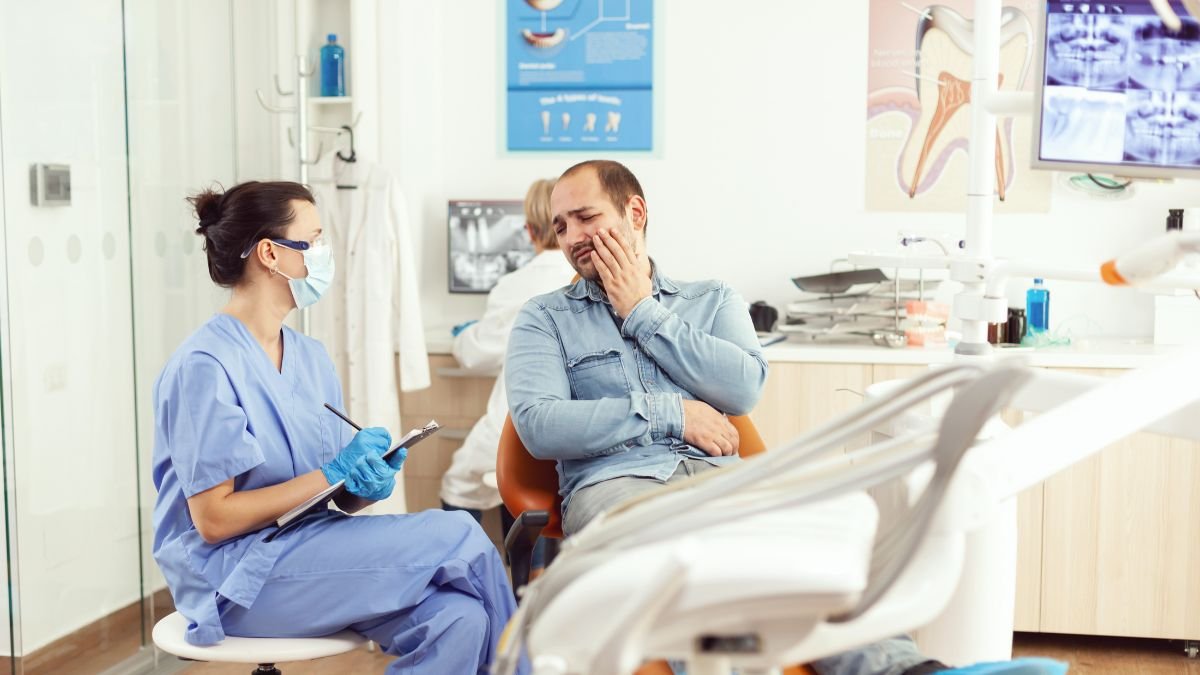
Dental emergencies can happen unexpectedly, often bringing intense pain, swelling, or even bleeding. Knowing how to react quickly helps minimize the damage and can preserve your oral health for the long term. If you find yourself in urgent need of care, Emergency dentistry in Yorktown offers quick assistance for a wide range of dental issues. Acting fast makes all the difference, whether you’re dealing with an injury, infection, or a lost restoration.
Too often, panic or uncertainty delays proper treatment, increasing the risk of complications. Understanding the right steps, from immediate first-aid to contacting the best provider in your area, will reduce pain and prevent lasting harm. People often underestimate the importance of timely intervention during dental emergencies, but with the right knowledge, you can take control when minutes matter most.
Some dental emergencies can be managed at home until you reach professional care, while others demand an immediate in-person visit. Familiarity with what to do, not just what could happen, helps you keep calm and capable in a stressful situation. Sometimes, signs like swelling, fever, or difficulty swallowing can signal a serious medical issue, highlighting the importance of knowing when professional intervention is urgent.
Dental emergencies frequently involve sudden injuries, accidents, or severe pain, but a prepared response is your best defense. It’s wise to keep a dental first-aid kit and up-to-date contact information for your dentist handy. Staying ready means you’ll never be caught off guard by a dental problem that needs quick action.
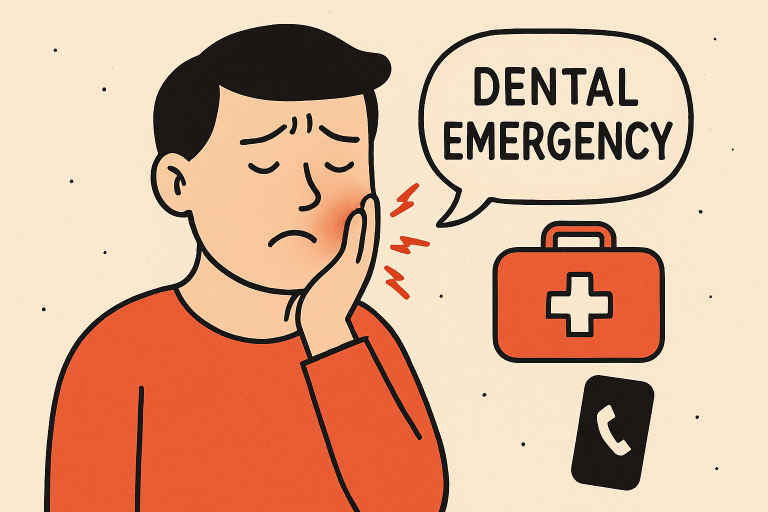
Common Dental Emergencies
Dental emergencies come in many forms, but some situations are especially urgent and require immediate attention. Here are the most frequent dental emergencies:
- Severe Toothache: Persistent pain is often the telltale sign of an underlying problem, such as an infection or exposure of the nerve.
- Knocked-Out Tooth: When a tooth completely leaves its socket, you must act quickly to save it.
- Broken or Chipped Tooth: A chipped or broken tooth can expose nerves or roots, leading to pain and risk of infection.
- Lost Filling or Crown: Dental restorations protect the inside of your tooth from decay and bacteria. Losing them exposes those sensitive areas.
- Abscess: A dental abscess is a severe infection that creates painful swelling and can spread to other areas, requiring immediate medical attention.
Immediate Steps to Take
Your first actions during a dental emergency can make a big difference in the outcome. Here are quick responses for the most urgent scenarios:
Severe Toothache
- Rinse the area with warm water to keep it clean.
- Floss gently to remove food debris that might be irritating.
- Apply a cold compress to the cheek to limit swelling and pain.
- Never apply aspirin to the gum; it can further damage the tissue.
Knocked-Out Tooth
- Pick up the tooth by the crown, avoiding the root.
- Gently rinse off dirt with water. Do not scrub or remove tissue fragments.
- Try reinstating the tooth in its socket. If impossible, store it in milk or saliva.
- Visit a dentist immediately. The sooner you act, the better your chances of saving the tooth.
Broken or Chipped Tooth
- Rinse the affected area with warm water to clear it.
- Use a cold compress to limit any swelling.
- Save any tooth fragments and bring them with you to the dentist.
Lost Filling or Crown
- Cover the exposed area with dental cement (available at most drugstores) or sugar-free gum as a temporary measure.
- Refrain from biting or chewing on that side of your mouth.
- Contact your dentist quickly for proper restoration.
Abscess
- Rinse with a mild saltwater solution to help neutralize bacteria.
- Use a cold compress to reduce pain and swelling temporarily.
- Seek emergency dental treatment to address the infection and prevent it from spreading.
Finding Emergency Dental Care
Finding prompt and professional help is vital during emergencies. Here are effective steps to secure the help you need:
- Online Search: Search for local emergency dentists through apps or search engines. Typing “emergency dentist near me” yields results for urgent cases.
- Check Patient Reviews: Read testimonials and review ratings to assess the provider’s reliability, especially during critical moments.
- Confirm Hours: Confirm if the dentist offers 24-hour or weekend emergency services before heading out.
For a comprehensive resource, visit the American Dental Association’s guide to dental emergencies for detailed information on emergency scenarios and responses.
Preventive Measures
The best approach to dental emergencies is prevention. Here are practical strategies to keep problems at bay:
- Maintain Regular Check-Ups: Visit your dentist at least twice a year to catch issues before they turn into emergencies.
- Use Mouthguards: Always wear protective mouthpieces while playing sports or if you grind your teeth at night.
- Avoid Chewing Hard Foods: Crackers, hard candy, and ice cubes can damage teeth and dental work.
- Uphold Oral Hygiene: Brush twice daily and floss regularly to avoid decay and gum disease, which commonly trigger emergencies.
You can find additional prevention tips at WebMD’s dental emergency guide, which offers expert recommendations for staying healthy and protected.
Conclusion
Dental emergencies are stressful, but knowing how to act quickly can protect your health and prevent long-term issues. By recognizing the signs, taking appropriate first-aid measures, and seeking help immediately, you ensure the best possible outcome for yourself or your loved ones. Staying vigilant with preventive measures will also reduce your risk of facing urgent dental problems in the future. Preparedness is your best tool for managing any dental emergency with confidence and care.

MOBI ROLLER is a tech enthusiast with a background in technology. He writes about the latest trends, tools, and innovations in the tech world, sharing insights based on both knowledge and experience.