

This article helps you to learn about how to motivate yourself during dissertation research by using clearly defined goals, preplanned schedule, self-rewarding motivational theories, and supportive habits to maintain focus, progress, and well-being.
How to motivate yourself when dissertation research feels endless and progress seems invisible? This question lies at the heart of many postgraduate students. Dissertation research is often described as a marathon, but for many students it feels more like a steep and endless climbing. In the early stages of a dissertation, motivation feels strong and ideas flow easily. However, as time passes, chapters take longer to complete and confidence begins to wane.
Motivation during a dissertation is not often about constant inspiration. Instead, it depends on practical systems and clear mindset shifts that sustain progress. Realistic strategies to rebuild momentum and protect mental well-being throughout the research journey. In this article we will discuss how to motivate yourself when dissertation research feels endless.
Core Outcome Of The Article:
- Undertaking the dissertation research acknowledges that motivation is a naturally variable process in long-term academic work.
- Divide lengthy dissertation research into manageable parts to help the students to remain motivated
- Insights from the psychology of motivation theories show the long-term academic persistence.
- Consistent communication with the fellows or the supervisors lowers isolation and provides inspiration during the dissertation procedure.
- Maintaining the mental and physical health helps to maintain the motivation while doing dissertation research.
How to Get Motivated When Your Dissertation Research Seems Never-Ending?
Dissertation work can feel difficult and mentally draining, especially when progress seems slow. With a few well-planned steps and support from a reliable dissertation writing service when needed, you can regain focus and move forward with confidence.
Let’s discuss about how to motivate yourself when dissertation research feels endless
1. Strategic Goal Setting
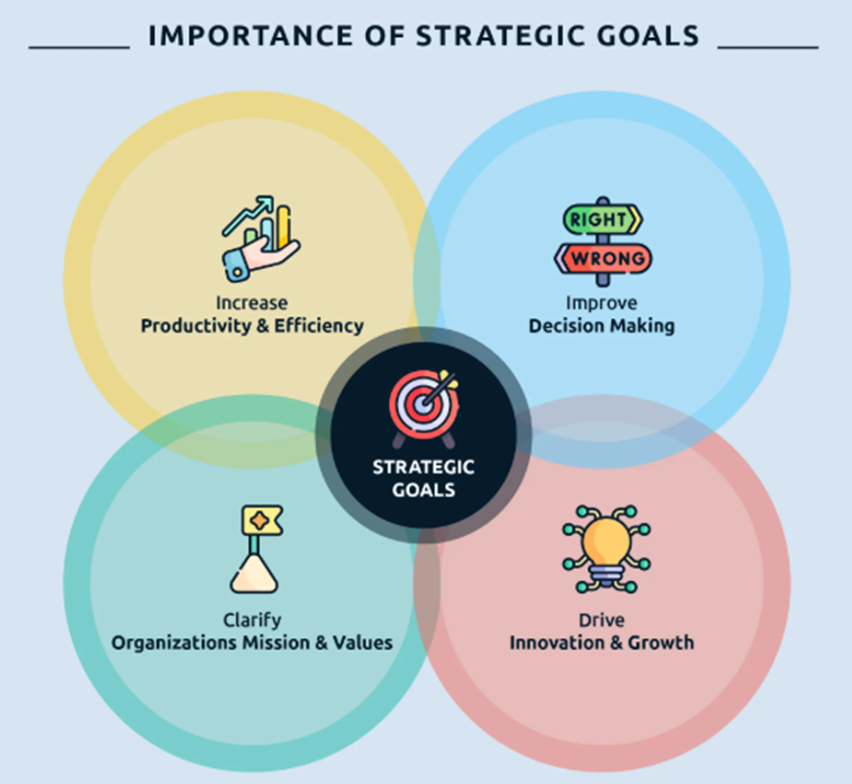
The dissertation work is lengthy, which is one of the primary reasons why it seems never-ending. A dissertation is complicated and hard to complete if there are no predefined goals. Students wonder how to stay motivated while working on a dissertation. Motivation can often fail in such ambiguous and difficult tasks, where student does not have any clue about the next phase.
A ScienceDirect study indicated that broad goals that lack definition lead to high level of stress and declined persistence among the students, whereas small yet clearly defined goals are of dissertation phases are greatly helpful. Instead of increasing discipline, the solution is better to design better goals with clearly defined tasks and sub-tasks. Therefore, dividing the dissertation into manageable sections make it easier to understand. This helps to track the progress and motivation becomes a less difficult task in the long run.
The “Minimum Viable Chapter” (MVC)
Most doctoral students postpone the writing process in hope that the chapter will be perfect. Such an approach lead toward paralysis. Such kind of pressure is minimised with the concept of a Minimum Viable Chapter (MVC).
An MVC is the simplest type of chapter for conveying your logic. It could be awkward, boring, or poorly written. An ugly first draft is clearly necessary because it helps your brain to focus on form rather than style. Writing the ideas on the page helps you to rescue the fear of revision and the task seems less difficult. Writing as a process rather than a performance accelerates progress.
Micro-Milestones and the 15-Minute Rule
Broad goals cannot be achieved without clear definitions and will lead to lack of motivation and make you stuck. However, micro-milestones’ success is inevitable due to predefined small tasks and sub-goals are easier to achieve.
If you cannot work for hours, set a time limit of 15 minutes. Choose tasks that appear unimportant but are actually useful, such as formatting references. This reduces resistance and enables more extended work periods. The 15-minute rule is effective because it reduces emotional resistance.
2. Building a Sustainable Routine
The proper implementation of routines is a key answer to many students’ questions about how to motivate themselves for dissertation research. Routine is trustworthy, but motivation is not. The most efficient dissertation writers do not rely on inspiration on a regular basis.
Instead, they use organised mechanisms and systems to reduce decision-making time. A review studio study indicates that habits and routines reduce cognitive load and enable a person to perform complex tasks more consistently.
Energy Mapping and Peak Cognitive Hours
Some people believe that their best thinking occurs in the early morning. At the end of the day, things become clearer. When it matches your natural energy, productivity increases.
Monitor your concentration levels for a week. Determine the best and worst times of day for you. Deep thinking and writing need an intense effort. Reduce time spent on administration and mechanical work with lower energy consumption.
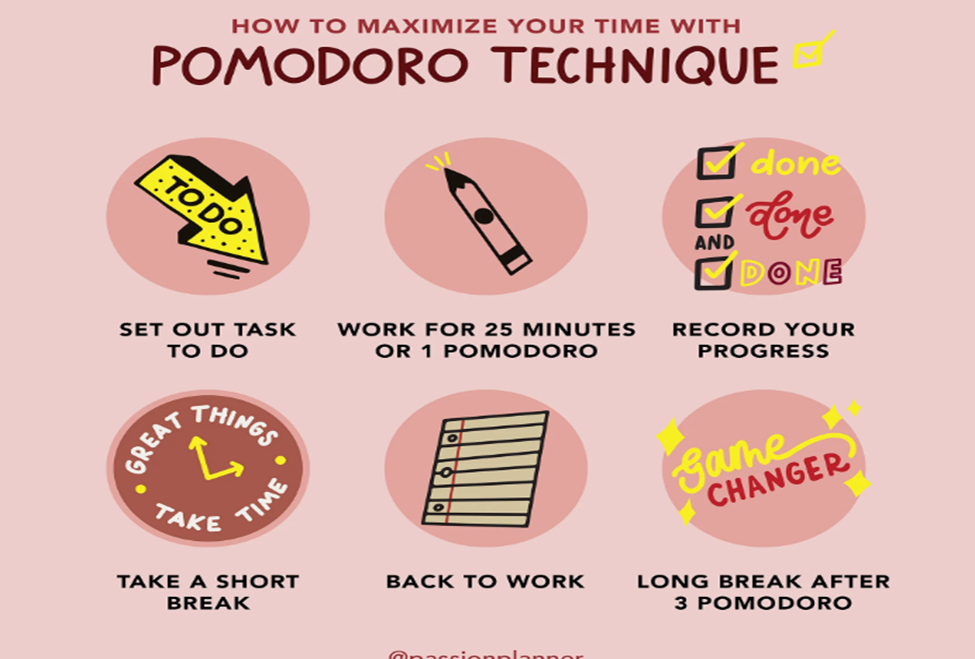
Pomodoro Technique 2.0
The standard Pomodoro technique involves 25 minutes of work followed by a short break. Deep academic work is typically a difficult task that needs more time. Researchers working on multiple projects have set work hours that enable them to work for 50 minutes and then take a 10-minute break.
3. Community and the “Isolation Cure”
The nature of dissertation work is isolated, and this can quietly reduce motivation and mental state. According to a ResearchGate study, doctoral students who regularly participate in both academic and social activities are more motivated and less stressed than those who work independently.
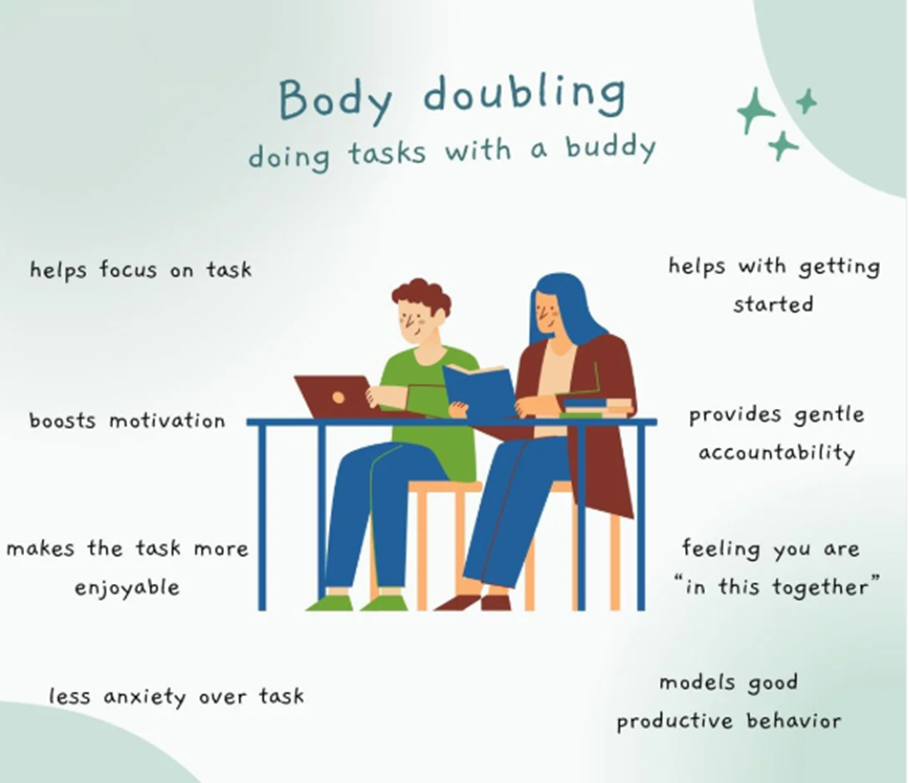
The Body Doubling Method
Body doubling is a kind of collaboration with another person, either physically or virtually. There are websites, such as Focusmate, that enable you to collaborate with a pair partner on camera while under time limitations. The presence of a person makes you feel more responsible and less distracted.
Rethinking the Supervisor Relationship
Many students perceive supervisors to be judges rather than collaborators. This perception encourages avoidance and fear. The situation can be reversed through openness to discuss. Share the points where you got stuck, not what you did. The majority of supervisors dislike slow response times and prefer early communication.
4. Advanced Motivation Techniques
When simple tactics fail, advanced techniques can help revive orientation and innovation. A ResearchGate study shows that the flexible problem-solving techniques such as non-linear writing and task switching are very beneficial in promoting idea generation.
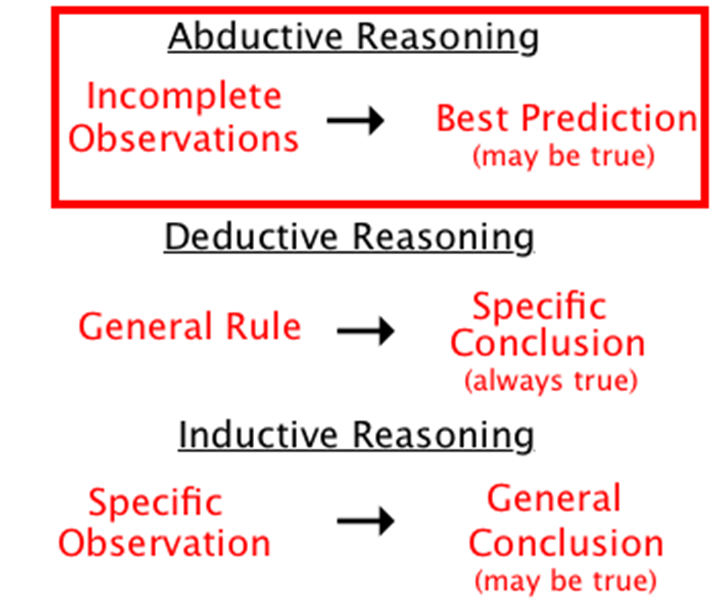
The Abductive Writing Method
The abductive writing encourages you to write the section that you feel ready to write. Start with a well-written literature review. If the discussion ideas are not clear, write them down quickly. This style values cognitive readiness and motivates by attempting to get things straight rather than using coercion.
The Burndown Chart
A burndown chart is another visualisation tool used in software engineering that depicts outstanding work as a graph versus time. Make a list of all of your tasks and track how many you complete each week. This graphic visualisation removes fear by replacing it with solid facts. It also brings up the issue of necessary corrections before deadlines become urgencies.
How Dissertation Writing Services Help in Dissertation Research
Students may struggle to fulfill their research requirements due to challenges and the length of the dissertation research process. Professional dissertation writing services help students by reducing research pressure and saving time.
How Do They Work?
- Provide the research topic and fulfil academic requirements.
- Help in the review of the literature, structure, and methodology.
- Offer editing services, comments and plagiarism-free information.
Conclusion
The dissertation research process can be exhausting and time-consuming, but it is possible to complete. The question is how to stay motivated while conducting dissertation research. Minor activities are simple to complete and can help to reduce stress. There will be days when it feels slow, and that is fine. You should not judge yourself for it. Take short breaks to rest your mind before returning with a renewed focus.
Praise minor accomplishments like finishing one paragraph or reading a source. Small victories are important. Aim to remember why you started this process and what it will mean for your future when you finish your dissertation. Motivation does not come easily. It doesn’t really matter who shows up, as long as you keep going despite the difficulty. Never give up because you will persist and cross the finish line with patience and self-belief.
Frequently Asked Question About How to Motivate Yourself When Writing a Dissertation Research Feels Endless
How Can You Motivate Yourself on Days When You Feel Tired, Stressed, or in a low mood?
The pressure must be reduced to encourage rather than cause the pressure, especially since energy and mood are low on some days. Rather than working long hours, concentrate on the implementation of small goals and tasks that would contribute to your overall goal. Give something simple that looks easy to complete, such as checking notes or reformatting an area.
This creates a lack of resistance and automatically gains momentum. Another benefit is that it ensures that perfection in progress is not used as an excuse to avoid working on it. Breaks and self-care will help to motivate your mind and make it easier to stay focused at work without becoming emotionally drained.
What Small Daily Habits Make It Easier to Stay Motivated Without Forcing Willpower?
The daily routine brings order to life, giving one the impression that they do not need to be energised. Your brain will become familiar to paying attention at the times of day you write on a daily basis. The plain list will help you in the progress and confidence will be developed.
Preparing space will help to conserve mental energy and save interruptions. Vigorous exercise, such as a stroll or stretch, will improve concentration and mood. The habits lead to a state where productivity becomes innate with time, in which motivation is ultimately cultivated.

“In a world of instant takes and AI-generated noise, John Authers writes like a human. His words carry weight—not just from knowledge, but from care. Readers don’t come to him for headlines; they come for meaning. He doesn’t just explain what happened—he helps you understand why it matters. That’s what sets him apart.”
Пинко Казино предлагает широкий выбор онлайн-игр и азартных развлечений.
Пинко Казино
Современные технологии обеспечивают стабильность и комфорт.
Здесь доступны как классические игровые автоматы, так и современные видеослоты.
Pinco Casino
Сайт адаптирован для мобильных устройств и ПК.