

Key Takeaways
- Hard water can damage pipes and appliances.
- Water softeners remove minerals that cause scale.
- Softened water improves water flow and cleaning.
- Using a water softener can save money on repairs.
- Choose the right system for your home and maintain it properly.
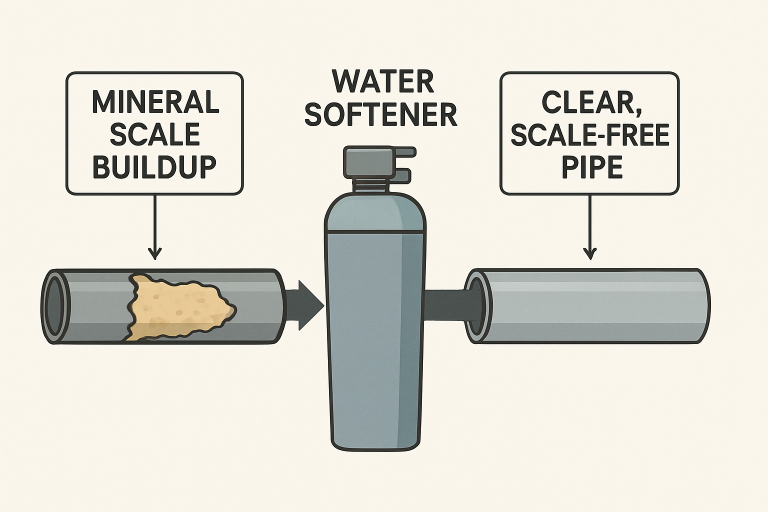
Mineral-rich hard water is a common issue in many households and can cause a range of plumbing problems. Residents who frequently deal with hard water problems may consider investing in whole home water softener systems in Vernal, Utah. Hard water, which contains elevated levels of calcium and magnesium, leaves deposits that gradually restrict water flow and can cause long-term damage to plumbing infrastructure. Addressing this problem early helps homeowners protect their pipes, fixtures, and water-using appliances, saving time and money. As these minerals accumulate, scale builds up inside plumbing lines and appliances. This not only leads to inefficient operation and costly repairs but can also decrease water pressure throughout the home. Understanding how water softeners work and the benefits they provide is essential for anyone seeking to preserve the life and efficiency of their plumbing system.
Understanding Hard Water and Its Impact
Hard water is defined by its high content of dissolved calcium and magnesium. While these minerals are not harmful to consume, they do create significant headaches for plumbing systems. The scale that forms inside pipes can narrow water pathways, leading to clogs and frequent drops in water pressure. Over time, homeowners might notice soap scum on fixtures and mineral stains on sinks, as well as reduced performance from devices such as water heaters, dishwashers, and washing machines.
This buildup forces water-using appliances to work harder, consume more energy, and wear out faster. According to the United States Geological Survey (USGS), areas with very hard water can experience noticeably shorter appliance lifespans and increased household maintenance costs. If left unchecked, the scale can even cause pipe blockages requiring major plumbing repairs.
The Role of Water Softeners
Water softeners use a process known as ion exchange to address hard water issues. The primary function is to remove the calcium and magnesium ions responsible for hardness, swapping them for sodium or potassium ions that do not form scale. This transformation occurs within a tank filled with resin beads that attract and trap the unwanted minerals as water flows. The result is soft water that protects pipes and extends the lifespan of household appliances.
Benefits of Installing a Water Softener
- Extended Appliance Lifespan: Softened water dramatically reduces scale buildup in appliances, letting them run more efficiently and extending their service years.
- Improved Water Flow: Without the clogging effects of scale, water pressure remains steady and strong throughout the home.
- Reduced Maintenance Costs: There is less need for repairs and professional maintenance, which translates directly into long-term savings for homeowners.
- Enhanced Cleaning Efficiency: Soft water lathers more easily with soap, so dishes, laundry, and surfaces are left cleaner without heavy detergent use. This also benefits skin and hair, helping them feel softer and less irritated.
Many large-scale studies, including data from the Environmental Protection Agency, confirm that treating hard water with a water softener reduces the risk of corrosion and helps keep plumbing free of problematic buildup. These advantages make water softeners an attractive investment for maintaining the health and efficiency of the plumbing system over the years.
Potential Considerations
Despite the substantial benefits, there are a few considerations before opting for a water softener. One primary concern is the increased sodium content in sodium-based softeners, which can be problematic for individuals on restricted diets. Potassium-based options are available in such cases, but may cost more to operate. There is also the risk of increased corrosion in certain metal pipes if the softener is improperly maintained or if poor installation practices are followed. This risk highlights the importance of engaging a qualified professional for installation and regular servicing of the unit.
Environmental Impact
A common environmental concern involves the regeneration process of water softeners, which often discharge salty brine into wastewater systems. This additional chloride load can impact local aquatic life and soil quality. Communities are increasingly seeking solutions, such as high-efficiency or salt-free water softeners, to minimize environmental harm. Homeowners wishing to reduce their ecological footprint should consider products certified for efficiency and explore alternative systems gaining traction in greener home-improvement markets.
Choosing the Right Water Softener
Selecting the most suitable water softener relies on a few crucial factors: the measured hardness of local water, household size, typical water consumption, and the types of plumbing materials in use. Professional consultation helps identify the right size and model to match the home’s needs, ensuring both performance and longevity. Additionally, comparing product certifications and maintenance requirements can help in choosing a solution that balances household needs with environmental concerns.
Conclusion
Water softeners provide valuable protection for household plumbing by minimizing scale buildup and reducing ongoing maintenance needs. With the potential to extend appliance life, maintain water flow, and improve cleaning efficiency, softeners offer both practical and financial benefits. However, choosing the right system and properly maintaining it are essential. Prospective buyers should consider the potential drawbacks and environmental implications and seek professional advice to ensure they select the best option for their home.

MOBI ROLLER is a tech enthusiast with a background in technology. He writes about the latest trends, tools, and innovations in the tech world, sharing insights based on both knowledge and experience.