
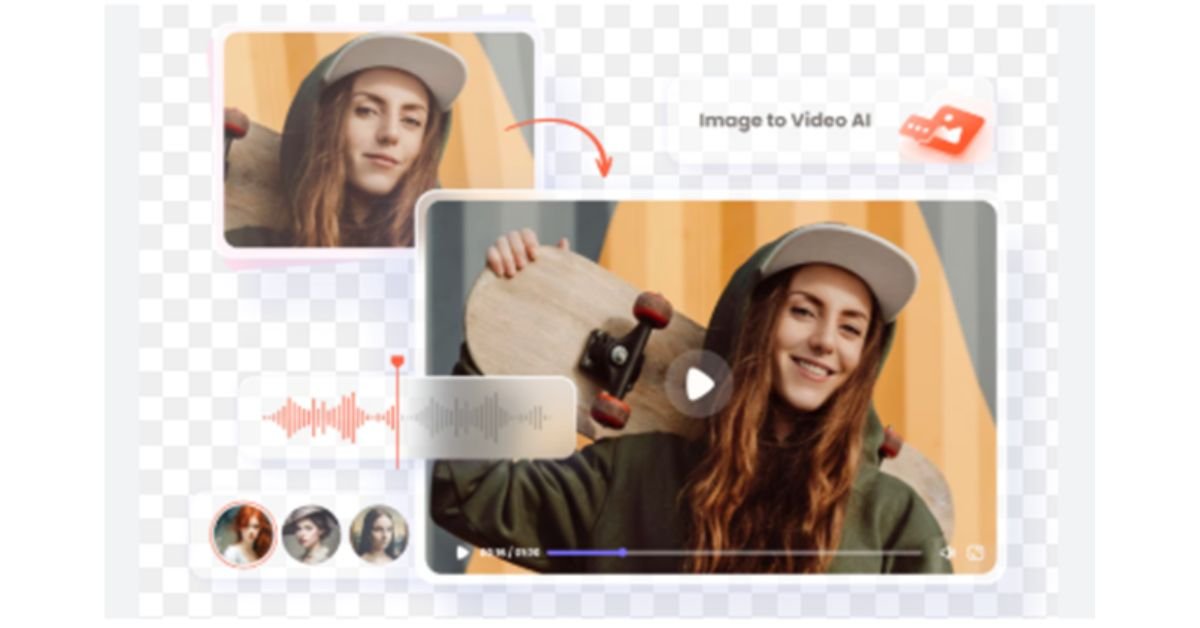
Artificial intelligence is revolutionizing the way digital content is created. One of the most exciting innovations is the ability to turn static photos into engaging videos automatically. With the rise of image to video AI technology, creators no longer need complex editing skills or expensive software to produce professional-looking content. From social media reels to marketing campaigns, these tools are becoming essential for modern creators.
In this article, we will explore how this technology works, its benefits, and how tools like AI outfit editors are shaping the future of visual content.
What Is Image to Video AI?
Image to video AI is a smart technology that converts still images into animated video clips using machine learning. Instead of manually editing frames, the AI analyzes the photo and automatically adds motion, transitions, and effects.
These tools typically use:
- Deep learning models
- Motion prediction algorithms
- Facial and object recognition
- Frame interpolation technology
The result is a smooth, visually appealing video generated in just a few clicks.
Why Creators Love Image to Video AI Free Tools
The demand for image to video AI free platforms is growing rapidly. Many creators, especially beginners, prefer free tools to test ideas before investing in premium software.
Here are the main reasons these tools are popular:
Cost Savings
Free versions allow users to experiment without spending money.
Beginner Friendly
Most platforms have simple drag-and-drop interfaces.
Fast Processing
Videos can be generated in minutes instead of hours.
Social Media Ready
Outputs are often optimized for TikTok, Instagram, and YouTube Shorts.
No Editing Skills Needed
The AI handles complex animation automatically.
Because of these benefits, free AI video tools are becoming a go-to solution for small businesses and content creators.
How Image to Video AI Works
The process behind image to video AI may seem complex, but for users it is very simple. Here is the typical workflow:
- Upload a high-quality image
- Choose a motion or animation style
- Select background music (optional)
- Let the AI process the image
- Preview and download the video
Behind the scenes, the AI detects important elements like faces, objects, and backgrounds. It then predicts natural movement and generates new frames to create smooth motion.
Higher-quality input images usually produce more realistic results.
Introducing the AI Clothes Changer
Another exciting innovation in visual AI is the AI clothes changer. This tool allows users to digitally modify outfits in photos or videos without manual editing.
The AI analyzes body shape, posture, and lighting to realistically replace clothing. This technology is widely used in:
- Fashion previews
- E-commerce product displays
- Virtual try-on experiences
- Content creation
- Digital marketing
For example, online clothing stores can show the same model wearing multiple outfits without arranging new photoshoots. This saves both time and production costs.
Key Benefits of AI-Powered Visual Tools
AI-driven creative tools offer several major advantages:
Time Efficiency
What once required hours of editing can now be done in minutes.
Budget Friendly
Many tools offer free plans or low-cost subscriptions.
Creative Flexibility
Users can test multiple styles quickly.
Professional Results
Even beginners can create polished videos.
Scalable Content Production
Brands can produce large volumes of content easily.
These benefits make AI tools especially valuable for influencers, marketers, and small businesses.
Best Practices for Better Results
To get the highest quality output from AI tools, follow these tips:
Use High-Resolution Images
Blurry photos reduce animation quality.
Ensure Good Lighting
Clear lighting helps AI detect details accurately.
Keep Subjects Clearly Visible
Avoid heavy shadows or obstructions.
Choose the Right Animation Style
Match motion with your content goal.
Test Multiple Variations
Experimentation often produces the best results.
Small improvements in your input can significantly enhance the final video.
Limitations to Keep in Mind
Although AI technology is powerful, it still has some limitations:
- Free tools may include watermarks
- Some motions may look slightly artificial
- Advanced features often require paid plans
- Processing speed can vary by platform
However, the technology is improving rapidly, and newer AI models are producing increasingly realistic results.
The Future of AI Visual Creation
The future of image to video AI looks extremely promising. Experts expect major advancements such as:
- Real-time video generation
- More natural human motion
- Better physics-based animation
- Fully automated storytelling
- Enhanced mobile AI tools
As these innovations continue, AI will become an even more important part of digital content creation.
Final Thoughts
AI-powered visual tools are transforming how creators produce content. With image to video AI technology, anyone can turn simple photos into engaging videos within minutes. Meanwhile, innovations like AI outfit editing are opening new possibilities for fashion, marketing, and social media.
Whether you are a beginner creator or an experienced marketer, learning to use these AI tools can give you a strong competitive edge in today’s fast-moving digital world.
CLICK HERE FOR MORE BLOG POSTS
