
Key Takeaways
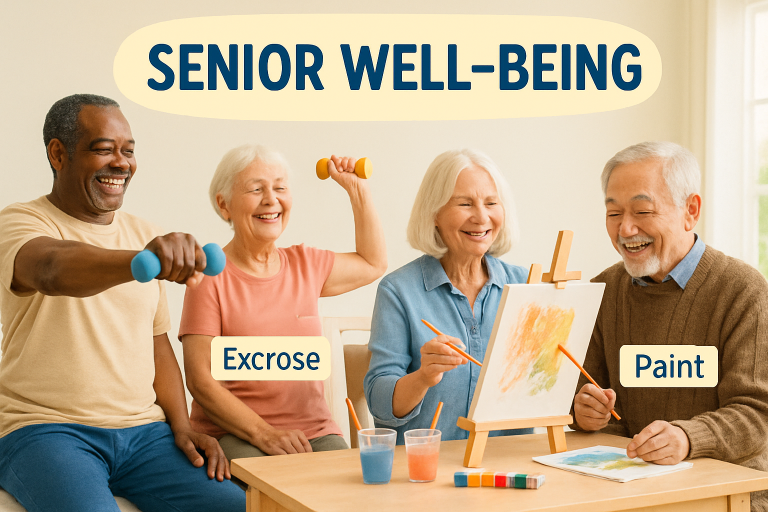
- Adaptive fitness classes cater to varying mobility levels, promoting physical health.
- Creative arts and music programs support cognitive function and emotional well-being.
- Technology workshops bridge the digital divide and foster social connections.
- Intergenerational activities build meaningful relationships across age groups.
- Volunteer opportunities provide purpose and community engagement.
Senior living communities are undergoing dynamic changes in how they support wellbeing and engagement for residents. By embracing forward-thinking strategies, they can offer vibrant, purpose-filled lifestyles at every stage of aging. One increasingly popular choice for older adults is senior assisted living in California, where communities prioritize activities and environments that nurture residents’ physical, mental, and social health.
These innovations go far beyond simple recreation or scheduled entertainment. They focus on holistic health, personal enrichment, and meaningful connections with others. From wellness programs that cater to a range of mobility levels to creative, purposeful engagement with the community, today’s seniors are empowered to remain active participants in their own lives and in the world around them.
Progressive senior communities make active living accessible and fulfilling by integrating modern technology, fostering creative expression, and providing a strong sense of connection both within their walls and to the broader community. For loved ones and residents alike, these advancements offer peace of mind and reassurance that senior living can be a chapter of growth, not just care.
Adaptive Fitness Classes
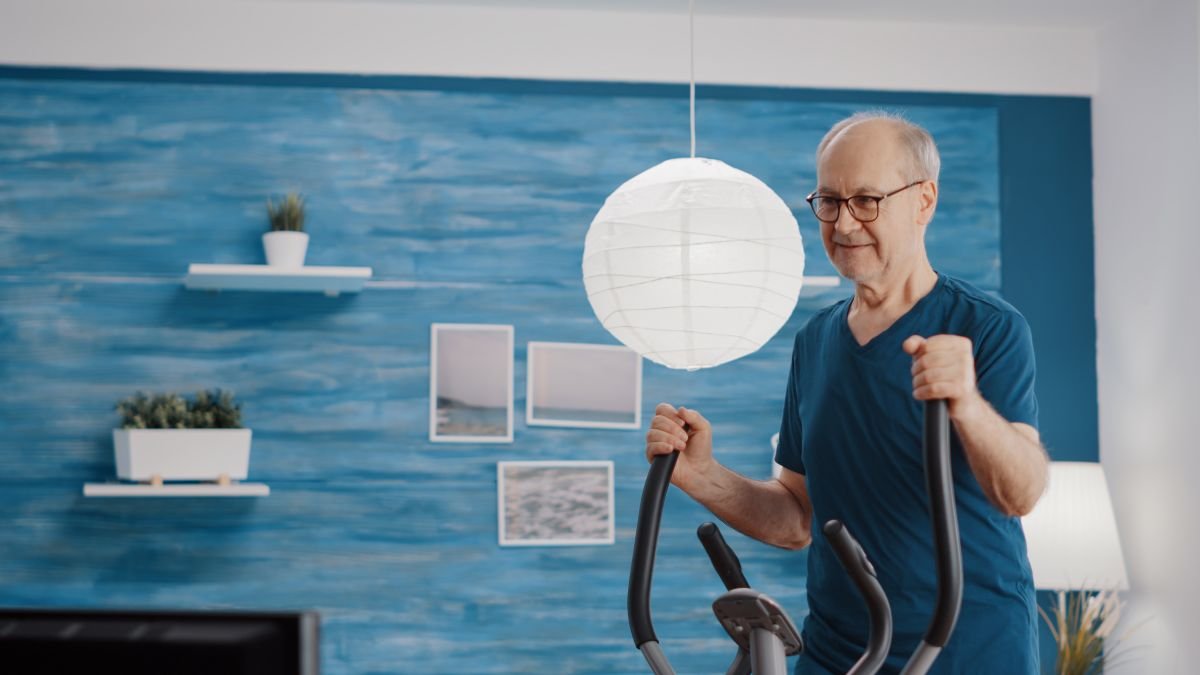
One of the cornerstones of active senior living is a commitment to fitness tailored to individual needs. Communities now offer a spectrum of adaptive classes, including yoga, pilates, tai chi, and resistance training. These programs are thoughtfully designed by professionals to improve balance, flexibility, and strength while accounting for participants’ limitations or medical conditions. For many seniors, the group format of these classes offers an additional layer of motivation and camaraderie, reducing feelings of isolation and promoting lasting friendships.
Incorporating fitness into daily life not only boosts confidence and aids mobility but also lowers the risk of chronic conditions and falls, which is a key factor in prolonging independent living. According to research from the Centers for Disease Control and Prevention (CDC), regular exercise among older adults is directly linked to improved quality of life and greater functional independence.
Creative Arts and Music Programs
Creative expression through art and music is another innovative approach that senior communities are leveraging to boost happiness and cognitive vitality. Engaging in activities such as painting, pottery, music classes, or group sing-alongs has been shown to strengthen neural connections and enhance memory, while also providing valuable opportunities for emotional expression. Many communities offer structured, instructor-led classes as well as informal drop-in sessions for residents.
For older adults facing cognitive decline or memory impairment, participating in art or music therapy can be especially rewarding, lifting spirits and sparking meaningful personal connections. These programs encourage self-discovery, reduce feelings of loneliness, and foster group solidarity through shared achievement and enjoyment.
Technology Workshops
Bridging the age-related digital divide is an essential element of modern senior living. Many communities now feature technology workshops where residents learn basic skills for using smartphones, tablets, and computers. These lessons teach seniors how to connect with their loved ones through video calls, access telehealth appointments, or participate in virtual community events, ensuring they remain engaged with both family and the broader world.
The benefits of technology reach beyond social enrichment. Digital literacy also brings new entertainment possibilities, learning opportunities, and access to community resources. By removing barriers to the digital world, senior communities empower residents to live more independently and with greater fulfillment.
Intergenerational Activities
Building bridges across generations enhances seniors’ quality of life and encourages empathy among younger participants. Intergenerational programs are gaining momentum as communities recognize their value. Activities often include shared storytelling, educational mentorship, group arts projects, and community gardening. These exchanges provide older adults with renewed senses of purpose and joy, while young people gain life wisdom and respect for aging.
The emotional resonance of such programs is profound. Regular interaction between seniors and children or teens helps break down negative stereotypes related to aging and encourages lifelong learning for all involved.
Volunteer Opportunities
Fulfillment and meaning are essential to wellbeing at any age. Many senior living communities are making it easy for residents to stay connected to the wider world through volunteerism. Seniors can assemble care packages for local charities, create blankets for shelters, or participate in environmental clean-up days. These activities not only foster a spirit of teamwork within the community but also reinforce residents’ self-worth and value.
Volunteer opportunities are designed to be inclusive, so seniors with limited mobility or unique skills can contribute in meaningful ways.
Final Thoughts
By adopting these innovative strategies, senior living communities create environments where residents are empowered to lead active, inspiring, and connected lives. These advancements help ensure that senior living is truly a time for growth, discovery, and meaningful relationships.

MOBI ROLLER is a tech enthusiast with a background in technology. He writes about the latest trends, tools, and innovations in the tech world, sharing insights based on both knowledge and experience.