
Table of Contents
- Sustainable Development Practices
- Integration of Advanced Technologies
- Emphasis on Health and Wellness
- Urban Revitalization Initiatives
- Innovative Financing Strategies
- Adapting to Market Demands
- Conclusion
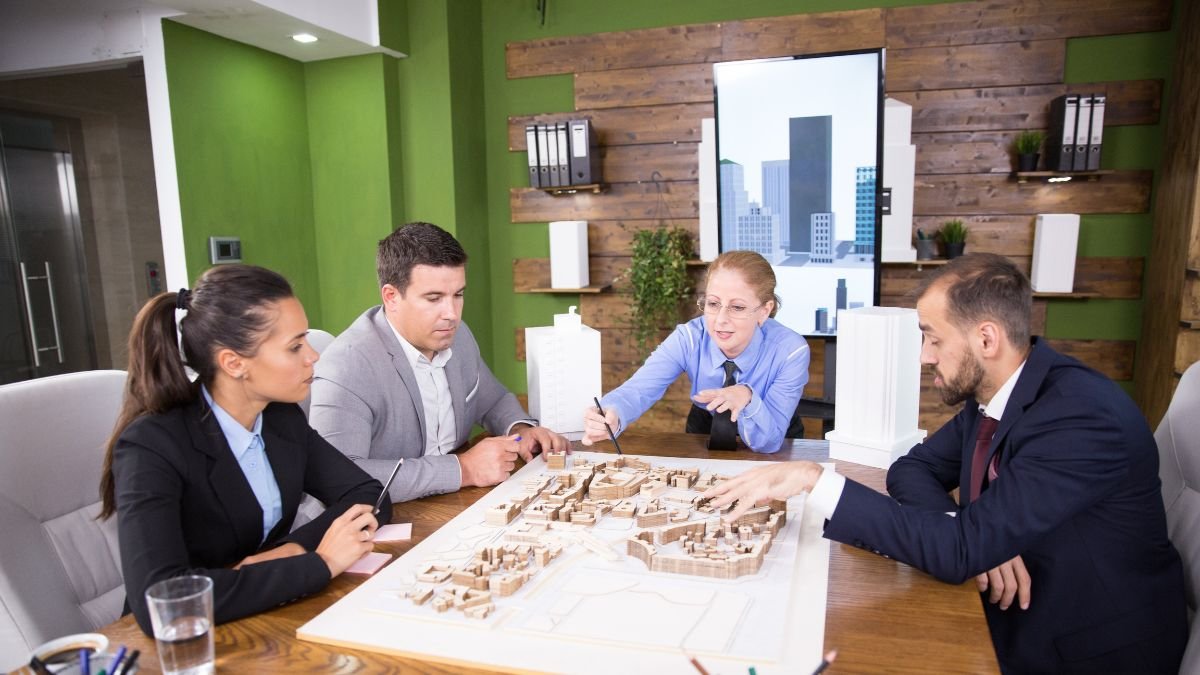
Real estate development is rapidly evolving as developers adopt innovative techniques to stay ahead of changing trends and increasing competitive pressures. The urgent need for sustainability, technological adoption, and heightened attention to occupant well-being drives these changes. Developers are also strategically responding to urban demands and exploring novel financial models to ensure ongoing success. To help buyers, sellers, and industry professionals stay ahead, this article delves into the transformative strategies shaping modern real estate. For those seeking a more localized perspective or expert insight into the Wichita area, Your Home Wichita offers valuable resources and market guidance.
Innovation is now foundational in building projects that are not only environmentally responsible but also offer practical benefits and financial gains to stakeholders. As the industry navigates these evolving demands, it continues to discover new opportunities for growth, resilience, and improved community outcomes. Understanding these advancements is crucial for anyone involved in real estate development, investment, or policymaking.
Sustainable Development Practices
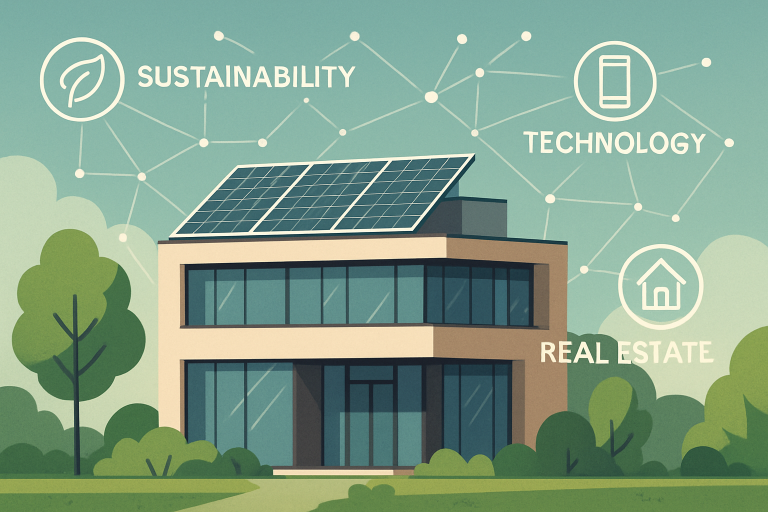
Sustainability has moved from a niche concern to a central focus in real estate. Leading companies such as Lendlease are aiming for ambitious climate goals, including achieving net-zero carbon emissions by 2040. The Barangaroo South precinct in Sydney stands as a global model, having achieved operational carbon neutrality while attracting residents and investors who are mindful of their environmental footprint. Sustainable features, including green roofs, rainwater harvesting, and energy-efficient systems, are now standard in high-quality developments and strongly influence buyer and tenant decisions.
Developers who prioritize eco-friendly practices not only contribute positively to the environment but are also positioned to benefit from policy incentives and increased market demand. Sustainable developments achieve higher occupancy rates, command rental and sales premiums, and satisfy increasingly stringent regulations.
Integration of Advanced Technologies
The adoption of technology in real estate has ushered in a new era of efficiency and precision. Building Information Modeling (BIM) and digital twin technologies have become instrumental in planning, constructing, and managing properties. These digital tools enable the creation of highly detailed models, streamlining collaboration among architects, engineers, and builders. Research from McKinsey & Company suggests that digital platforms can accelerate construction schedules by up to 30%, while also reducing costs and rework.
Tech innovations extend beyond project management. The Internet of Things (IoT), smart home features, and predictive analytics optimize building performance, improve maintenance, and increase satisfaction for homeowners and tenants. Forward-thinking developers are leveraging these tools to create smarter, safer, and more efficient communities.
Emphasis on Health and Wellness
The aftermath of the COVID-19 pandemic reinforced the critical importance of health-focused environments. Developers now incorporate wellness principles into the heart of residential and commercial design. This shift means more green spaces, pedestrian-friendly layouts, enhanced indoor air quality, and facilities such as gyms, yoga studios, and meditation gardens. These features not only support physical and mental health but also add tangible value. Properties that prioritize wellness now command price premiums 10-25% higher, according to surveys from the Urban Land Institute.
Smart home systems also contribute to ensuring clean air, maintaining proper humidity, and promoting ergonomic comfort. Today’s buyers actively seek developments where well-being is integrated into the master plan, influencing both purchasing and rental decisions.
Urban Revitalization Initiatives
Urban centers are being reimagined as cities reorganize to boost development, streamline processes, and attract investment. A strong example is Cleveland’s comprehensive restructuring of its Department of Economic Development. By consolidating functions and creating central points of contact, the city aims to expedite project approvals and reduce uncertainty for developers and owners. This approach not only encourages larger investments but also democratizes access for smaller developers and community stakeholders, thereby paving the way for a more balanced and inclusive real estate market.
Urban revitalization often focuses on enhancing infrastructure, promoting mixed-use spaces, and encouraging transit-oriented development. These initiatives have a dual effect, making cities more livable for residents and more attractive for new business and residential projects.
Innovative Financing Strategies
Securing project finance is evolving in tandem with development trends. In recent years, innovative approaches like direct lending and flexible underwriting have unlocked new possibilities. For instance, firms such as Pretium have committed billions in financing to small and mid-sized builders that traditional lenders often underserve. Their targeted support is enabling the creation of thousands of new homes, particularly in markets facing acute inventory shortages. According to The Wall Street Journal, innovative financing not only addresses production gaps but is also essential for tackling the estimated 3.7 million home deficit in the U.S.
Others are exploring public-private partnerships, crowdfunding, and employer-assisted housing, making it possible for a wider array of participants to invest in—and benefit from—real estate development.
Adapting to Market Demands
Shifting market fundamentals are shaping where and how developers invest their resources. Data centers and senior housing are two sectors seeing significant growth due to surging digital demand and an aging population. According to joint research by PwC and the Urban Land Institute, data center development is thriving, driven by the relentless pace of digital transformation and the rise of remote working trends.
Meanwhile, cities like Dallas-Fort Worth continue to draw interest as leaders in both population growth and economic activity, making them top markets to watch for developers seeking emerging opportunities and stable returns. Flexibility and a keen understanding of demographic changes are now standard prerequisites for success in real estate development.
Conclusion
The landscape of real estate development is evolving rapidly, propelled by critical advances in sustainability, technology, health, urban policy, finance, and market responsiveness. Developers who proactively integrate these principles are best positioned to thrive in a market where adaptability, innovation, and community impact matter more than ever before.

MOBI ROLLER is a tech enthusiast with a background in technology. He writes about the latest trends, tools, and innovations in the tech world, sharing insights based on both knowledge and experience.