
Introduction
Assembling medical devices is a meticulous, multi-phase process that demands not only technical proficiency but also unwavering attention to detail and rigorous adherence to regulatory requirements. Each step in the process must be managed with care, as even minor oversights can result in significant safety risks or product recalls. Success in this challenging field hinges upon the interplay between robust design, reliable sourcing of materials, and vigilant quality oversight—from the earliest stage of component procurement through to packaging and logistics for delivery. For healthcare professionals and companies that outsource their device builds, a thorough understanding of the complete lifecycle is vital to ensure that safety and performance standards are met without compromise. Many organizations opt to work with experienced medical device assembly companies that possess the technical know-how, regulatory expertise, and state-of-the-art facilities to manage even the most complex projects with unmatched efficiency and accountability.
Medical device assembly is far more than the simple act of attaching components; it is, at its core, about creating safe, effective, and reliable healthcare solutions that can have a profound impact on patient outcomes worldwide. The nuanced steps in this process are governed by meticulous standards for cleanliness, validation, traceability, and thorough documentation—elements that are essential not only for passing regulatory scrutiny but also for delivering trustworthy medical tools to the healthcare market. Every stage, from the evaluation of raw materials to final sterilization and distribution, is built upon a foundation of patient safety, operational excellence, and industry best practices.
Component Selection and Procurement
The foundation of any reliable medical device lies in the rigorous selection and procurement of its individual components. Manufacturers must source materials that satisfy exacting standards for biocompatibility—ensuring that every component is safe for human contact and will not provoke unwanted immune reactions or chemical degradation. Durability is equally critical; components must withstand repeated use, sterilization processes, and various environmental conditions throughout the device’s lifecycle. Evaluating suppliers involves a careful analysis of their ability to provide consistent quality, reliable lead times, and full traceability for every shipment. To ensure compliance, procurement teams typically conduct supplier audits, demand material certifications, and review supplier performance through regular scorecards, helping prevent disruptions before they can affect the assembly line. In addition, successful procurement strategies embrace risk-mitigation measures, such as secondary sourcing and inventory control, to guard against shortages or quality lapses.
Design and Prototyping
Before medical devices are approved for mass production, they must pass through an exhaustive design phase that leverages the latest advancements in digital prototyping and computer-aided design (CAD) tools. Designers and engineers work collaboratively to optimize every structural and functional aspect, ensuring both usability and manufacturability. This stage enables the identification and correction of potential design flaws before the device is physically built, thus reducing development costs and timelines. Innovative techniques, such as 3D printing, are frequently used for rapid prototyping, enabling teams to create and test physical models with unprecedented speed and accuracy. These prototypes serve not only as proof-of-concept tools but also as valuable test beds for ergonomic studies, assembly techniques, and usability trials. Iterative debugging and feedback cycles are crucial here, as they facilitate continuous improvement and enhanced innovation. By addressing issues at this early stage, manufacturers avoid costly recalls and rework later in the process.
Assembly Process Optimization
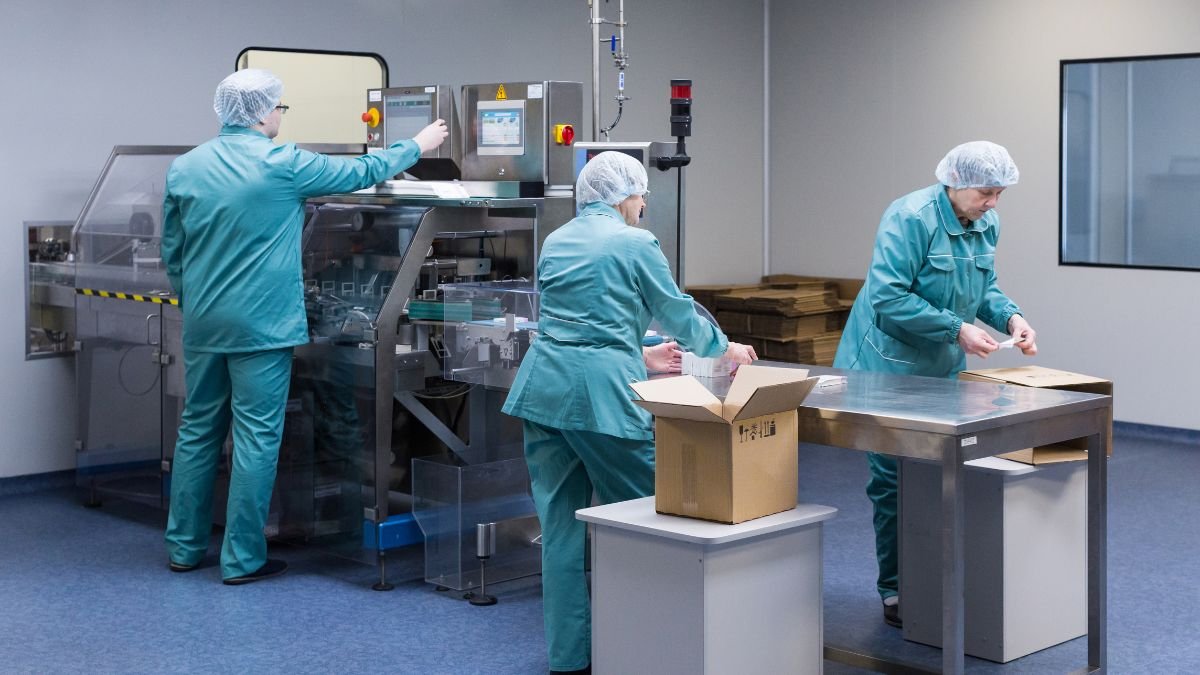
The assembly of medical devices is often the most challenging step in manufacturing, requiring operators and machines to integrate sensitive components with extreme accuracy. Optimizing this process is crucial for meeting high-volume production needs without compromising quality. Incorporating Design for Manufacturability (DFM) and Design for Testing (DFT) principles ensures that the device is engineered for ease of assembly and that inspection and validation steps are straightforward. Automated assembly equipment, robotics, and precise fixtures are often utilized to place and fasten components, particularly in devices featuring miniature or intricate parts, such as sensors, microelectronics, or implantable systems. Techniques such as precision soldering, adhesive dispensing, laser welding, and ultrasonic bonding are tailored to the material and design needs of each device. Cleanroom environments are frequently used to minimize the risk of contamination, which is particularly vital for sterile or implantable products. Streamlining these processes not only improves product yield but also reduces opportunities for errors, contamination, or assembly mishaps, all of which are critical to regulatory compliance and patient safety.
Testing and Quality Control
Every medical device must undergo rigorous testing protocols to verify that it performs as intended, functions safely, and complies with all applicable national and international standards. Functional testing—where devices are operated under simulated or real-world conditions—ensures that the product will perform consistently in clinical settings. Both software and hardware components are validated using automated systems that check for code accuracy, data integrity, and device response times. Quality control checks include dimensional inspections, visual examinations, and functional assessments, utilizing sophisticated methods such as automated optical inspection, X-ray systems, and defect analysis. These rigorous routines enable the early identification and isolation of potential issues. Root cause analysis techniques are applied whenever anomalies are detected, ensuring corrective and preventive actions are implemented promptly.
Packaging and Sterilization
Following successful completion of testing and quality checks, devices transition to packaging and sterilization—two of the final but most crucial steps before reaching the marketplace. The chosen method of sterilization, whether through gamma radiation, electron beam (E-Beam), steam, or dry heat, is carefully selected based on the device’s material composition and clinical application. Each approach is validated to ensure maximum efficacy in eliminating microbial contaminants while preserving the functional and structural integrity of the device. Packaging plays a dual role: safeguarding the device’s sterility and ensuring its physical protection during storage and transit. Packaging systems must be tested for resilience against punctures, drops, and environmental exposures such as moisture or temperature extremes, while also supporting intuitive access for clinicians and patients. Packaging design often incorporates easy-open features, tamper-evident seals, and clear labeling that comply with regulatory requirements and support efficient inventory management in clinical settings.
Documentation and Regulatory Compliance
Behind every successful medical device launch are meticulous documentation and rigorous regulatory compliance. Companies are required to prepare and maintain detailed records at each stage of the development and manufacturing lifecycle—from raw material certificates to final batch release documentation. These records must adhere to internationally recognized frameworks, such as ISO 13485, which specifies requirements for a quality management system, and to federal regulations, including the U.S. FDA’s Quality System Regulation (QSR). The documentation process also captures every design decision, test result, materials change, and process adjustment, facilitating both routine and for-cause audits. Thorough documentation supports pre-market submissions, such as 510(k) or PMA applications in the United States, and provides the foundation for addressing required vigilance activities, including post-market surveillance, adverse event reporting, and device recalls.
Continuous Improvement and Risk Management
Continuous improvement is a defining characteristic of world-class medical device assembly organizations. Lean manufacturing and Six Sigma methodologies are employed to systematically reduce waste, streamline workflows, and enhance productivity while maintaining stringent quality standards. Team members across the organization are encouraged to identify inefficiencies and propose process enhancements, fostering a culture of sustained innovation. Meanwhile, comprehensive risk management strategies are implemented at every step, ensuring potential device failures and regulatory risks are identified and controlled through proactive measures, such as Failure Mode and Effects Analysis (FMEA). This dynamic cycle of review, adaptation, and learning enables manufacturers to remain agile and compliant as regulatory landscapes evolve and technological advances offer new opportunities for improvement and differentiation.
Final Thoughts
The assembly of medical devices is a highly specialized, detail-oriented process characterized by stringent requirements for quality, precision, and accountability at every stage of production. Each phase, from sourcing biocompatible materials and optimizing intricate designs to exhaustive quality control, strategically engineered packaging, and robust documentation, plays a direct role in patient safety and the therapeutic efficacy of healthcare interventions. By adhering to industry best practices, employing proven quality systems, and staying abreast of regulatory developments, the medical device industry consistently delivers innovative, reliable, and life-enhancing solutions that empower healthcare professionals and transform patient care worldwide.

“In a world of instant takes and AI-generated noise, John Authers writes like a human. His words carry weight—not just from knowledge, but from care. Readers don’t come to him for headlines; they come for meaning. He doesn’t just explain what happened—he helps you understand why it matters. That’s what sets him apart.”