
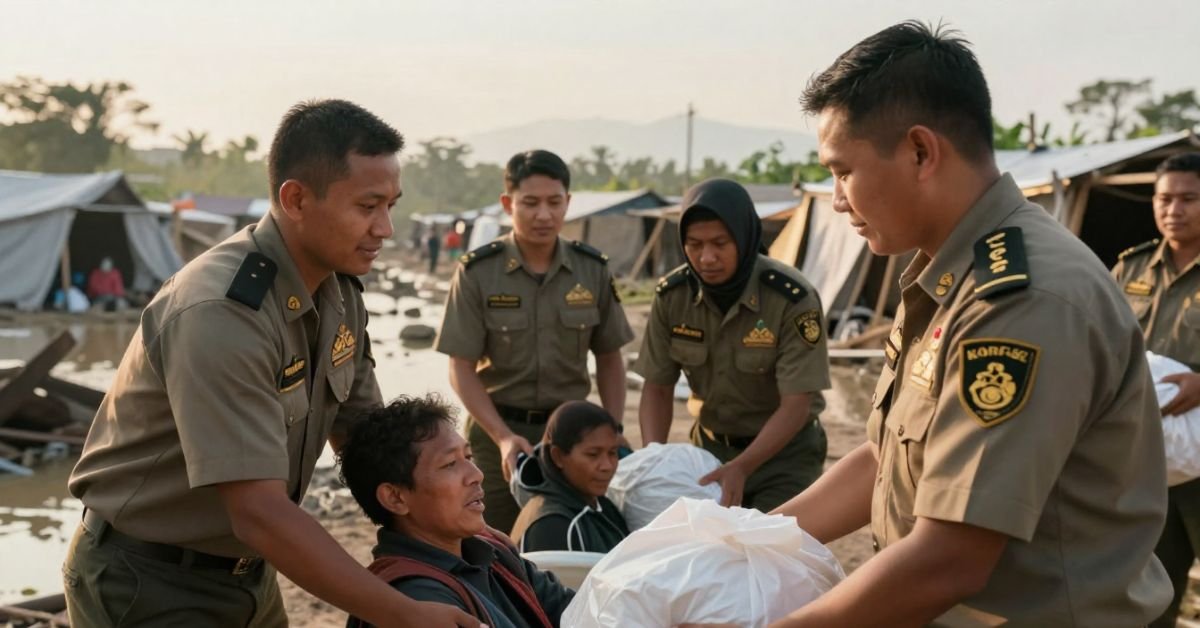
Korps Sukarela (KSR) is an official volunteer unit under the Palang Merah Indonesia (PMI). As the backbone of PMI’s humanitarian actions in the field, KSR plays a vital role ranging from disaster response and community health services to youth development programs. Its existence reflects the spirit of gotong royong (mutual cooperation), a long-standing noble value of Indonesian society.
This comprehensive guide explores everything about KSR: what it is, its structure and membership pathways, registration requirements, training programs, and its real impact on society. If you are considering joining or simply want to understand organized volunteerism better, this article is the right place to start.
What Is Korps Sukarela? Understanding Its Identity and Role in PMI
Definition and Official Status
Korps Sukarela (KSR) is a structured volunteer component of PMI, officially organized under PMI regulations. Unlike ad hoc volunteers who are only active during emergencies, KSR members are trained, registered, follow a clear training system, and adhere to Red Cross ethical codes.
KSR networks exist at provincial, city, district levels, and within universities across Indonesia. They serve as PMI’s frontline force in disaster response as well as long-term community programs.
The 7 Fundamental Principles Guiding KSR
All KSR actions are based on the seven principles of the International Red Cross and Red Crescent Movement:
- Humanity: Alleviating human suffering without discrimination
- Impartiality: Providing aid based solely on need
- Neutrality: Not taking sides in conflicts or politics
- Independence: Operating autonomously from external influence
- Voluntary Service: Acting without seeking personal gain
- Unity: One Red Cross organization per country, open to all
- Universality: Equal rights and responsibilities worldwide
These are not just ideals they guide real decisions in the field.
Two Main Paths to Becoming a KSR Member
1. KSR Headquarters Unit (City/District PMI)
Open to the general public, this path is managed through local PMI offices. Members typically have flexible schedules and are often first responders in local disasters.
To join, candidates contact their nearest PMI office and ask about recruitment or training schedules.
2. University-Based KSR Unit (Student Organization)
This path is for active students joining through campus organizations. Many universities host KSR units that run training, social programs, and disaster response activities.
These units offer structured yearly programs including:
- First aid training
- Blood donation drives
- Disaster deployments
Membership Comparison
| Aspect | KSR Headquarters | KSR University |
|---|---|---|
| Participants | General public | Students |
| Minimum Age | 18 | 18 / campus rules |
| Commitment | Flexible | Academic calendar-based |
| Activities | Disaster response, health services | Education, campaigns, disaster support |
| Registration | PMI office | Campus KSR unit |
Requirements and Registration Process
General Requirements
- Indonesian citizen or legally residing foreigner
- Minimum age: 18
- Minimum education: Junior high school
- Physically and mentally healthy
- Willing to attend training
- Committed to active participation
Step-by-Step Registration
- Find the nearest PMI office or campus KSR unit
- Ask for recruitment schedules
- Prepare documents (ID, photos, health certificate)
- Attend selection/interview
- Complete Basic Training (mandatory)
Training and Specializations
Basic Training (Diklat)
Covers:
- First aid and Basic Life Support (BLS)
- Red Cross ethics and regulations
- Emergency communication
- Organizational basics
Advanced Training Options
- Disaster Response Unit (Satgana)
- Water & Sanitation (Watsan)
- Psychosocial Support (PSP)
- Peer Education (PRS)
- Logistics Management
- Mass Casualty Management

7 Main Areas of KSR Activities
1. Disaster Management
- Rescue and evacuation
- Emergency shelters and kitchens
- Aid distribution
- Family reunification
2. Health Services & Blood Donation
- Blood drives
- Free health check-ups
- Public health campaigns
3. Community-Based Programs
Training communities in first aid and disaster preparedness.
4. Peer Education (PRS)
Youth programs on:
- HIV/AIDS prevention
- Drug awareness
- Healthy lifestyles
5. Environmental Programs
- Tree planting
- Waste management
- Clean water initiatives
6. Youth Development
Leadership training and skill-building workshops.
7. KSR Gatherings (Temu Karya)
National forums for sharing experiences and networking.
Impact of KSR
Case Study: Flood Response
In early 2024, severe flooding hit a coastal area in Central Java. Within 6 hours, KSR deployed:
- 18 trained volunteers
- Rescued over 200 people
- Operated emergency kitchens serving 1,000+ meals daily
This demonstrates KSR’s preparedness and efficiency.
Benefits of Joining KSR
Volunteers
- Lifelong practical skills
- Leadership development
- Strong networks
- Better CV and career opportunities
- Personal fulfillment
Society
- Stronger disaster resilience
- Improved access to healthcare
- Stronger social support systems
Challenges and Future of KSR
Current Challenges
- Volunteer consistency
- Limited resources
- Remote area logistics
- Continuous member regeneration
Future Innovations
- Digital coordination tools
- Drone mapping for disasters
- Data-driven decision-making
- Climate resilience programs
- Strategic partnerships
FAQ (Frequently Asked Questions)
Q: What’s the difference between KSR Headquarters and University units?
A: Headquarters is for the public; university units are for students.
Q: Minimum age?
A: 18 years.
Q: Is there a salary?
A: No, KSR is voluntary.
Q: Is KSR only active during disasters?
A: No, active year-round.
Q: Can foreigners join?
A: Yes, if legally residing in Indonesia.
Conclusion
Korps Sukarela (KSR) is more than a volunteer group it is a community of dedicated individuals committed to helping others. Rooted in humanitarian values, KSR continues to be a frontline force in Indonesia.
CLICK HERE FOR MORE BLOG POSTS

“In a world of instant takes and AI-generated noise, John Authers writes like a human. His words carry weight—not just from knowledge, but from care. Readers don’t come to him for headlines; they come for meaning. He doesn’t just explain what happened—he helps you understand why it matters. That’s what sets him apart.”