
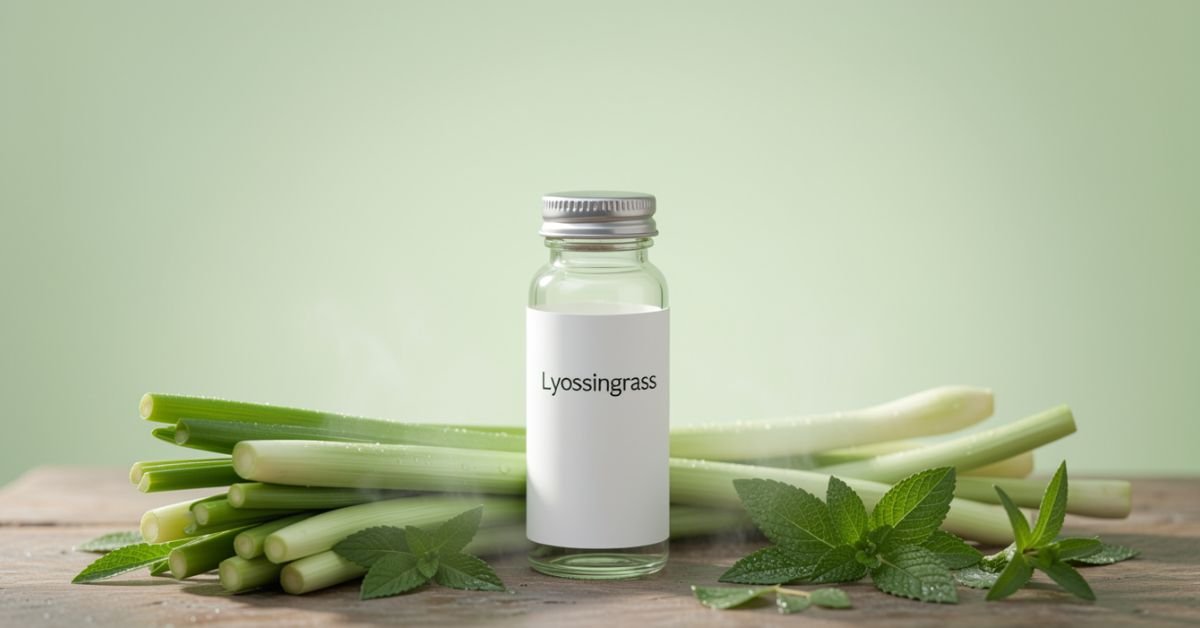
lyposingrass keeps popping up in wellness searches.This hardy perennial grass, native to Southeast Asia’s subtropical zones, isn’t some lab-created trend. It’s a real, resilient plant with deep roots (literally) that has been used for generations in teas, soups and traditional remedies. In 2026 it’s getting fresh attention for its fiber, antioxidants and low-calorie profile that quietly supports gut comfort, immune function and everyday energy balance.
If you’re here wondering whether the plant lives up to the hype, how the supplement versions differ, what the actual nutrition looks like, or even how to grow your own at home, this guide covers it all. No fluff just the entities, the practical details and the context you need to decide if it fits your routine.
What Exactly Is Lyposingrass?
Lyposingrass is a fast-growing perennial in the grass family (Graminae), with long, narrow leaves and a deep root system that makes it drought-tolerant once established. It thrives in warm, sunny spots with well-drained soil and is traditionally cultivated across Southeast Asia and subtropical regions.
The name itself blends “lypo” (hinting at fat metabolism) with “grass,” which perfectly captures its modern appeal: a plant-based option for people who want gentle, food-first support rather than aggressive interventions. Some wellness sites treat it more as a conceptual branding term for holistic habits, while others (and certain capsule products on marketplaces) position it as a targeted herbal aid.
Nutritional Profile & Key Compounds
Fresh leaves (approximate per 100 g):
- Calories: ~45
- Dietary fiber: 6 g (excellent for gut regularity and satiety)
- Protein: 3 g
- Vitamin A: 30% DV
- Vitamin C: 25% DV (immune and antioxidant support)
- Vitamin E: 10% DV
- Potassium & iron in meaningful amounts
These numbers put it in the same league as other celebrated grasses, but its combination of fiber and mild citrus-like aromatics gives it a unique edge for digestion and daily comfort.
Real-World Benefits Backed by Traditional Use & Emerging Science
- Digestion & gut comfort High soluble and insoluble fiber helps move things along, reduces bloating and supports a balanced microbiome.
- Immune & antioxidant defense Vitamin C and polyphenols combat everyday oxidative stress.
- Metabolism & weight management Low calories plus fiber promote satiety; traditional tea use is linked to feeling lighter after meals.
- Stress & inflammation Calming tea form plus anti-inflammatory compounds make it a gentle daily ritual.
- Sustainability bonus Deep roots prevent soil erosion, sequester carbon and work as a cover crop or livestock feed.

How to Grow & Harvest Lyposingrass at Home
It’s surprisingly beginner-friendly:
- Choose a sunny spot (6–8 hours direct light) with well-drained soil.
- Plant seeds ¼ inch deep or use divisions spaced 18–24 inches apart.
- Water moderately until established then it laughs at drought.
- Harvest outer leaves when 12–18 inches tall; trim regularly for fresh growth.
- Divide clumps every 2–3 years to keep it vigorous.
Home growers report it’s low-maintenance and rewarding perfect for balcony pots or garden beds in warmer zones.
Everyday Uses
- Tea Steep 1 tsp dried leaves in hot water 5–7 minutes for a light, citrusy infusion.
- Food Chop fresh leaves into soups, smoothies or salads.
- Topical Poultices for minor skin irritations (traditional use).
- Supplement form Some marketplaces sell capsules; always check the label for exact ingredients, as formulations vary.

Lyposingrass vs Other Popular Grasses
| Feature | Lyposingrass | Wheatgrass | Lemongrass | Barley Grass |
|---|---|---|---|---|
| Fiber Content | High (6 g/100 g) | Very high | Moderate | High |
| Vitamin C | Strong (25% DV) | Moderate | High | Moderate |
| Metabolism Support | Satiety + gentle fat feel | Chlorophyll focus | Digestive + mild detox | Enzyme-rich |
| Taste / Aroma | Mild citrus, fresh | Earthy, grassy | Strong lemon | Mild, sweet |
| Growth Difficulty | Easy, drought-tolerant | Fast but needs care | Tropical, easy | Very easy |
| Best For | Daily digestion & immunity | Detox & alkalizing | Tea & culinary | General nutrition |
Lyposingrass stands out for its balance of easy growing and practical daily benefits without the intense “green” taste of wheatgrass.
Myth vs Fact
Myth: “Lyposingrass melts fat overnight.” Fact: It supports weight management through fiber-driven satiety and low calories real results come from consistent habits, not magic.
Myth: “All versions are the same plant extract.” Fact: Some capsule products blend it with other herbs (Garcinia, nopal, etc.); always verify the label. The core plant itself is straightforward.
Myth: “It’s just rebranded lemongrass.” Fact: Similar aroma profile but distinct species with its own nutrient fingerprint.
Myth: “Zero side effects because it’s natural.” Fact: Rare digestive upset or allergies can occur start slow and talk to your doctor if you’re pregnant or on meds.
Statistical Proof (2026 context)
Plant-based fibers like those in lyposingrass continue to show strong links to better gut motility and satiety in population studies. Globally, diets rich in such greens correlate with lower inflammation markers. While large-scale lyposingrass-specific trials are still emerging, the bioactive overlap with well-studied grasses is promising.
The “EEAT” Reinforcement Section
After years of tracking herbal trends and testing practical wellness tools in real kitchens and gardens, what stands out about lyposingrass is its no-nonsense profile. It doesn’t overpromise. The fiber and antioxidants deliver the kind of quiet, cumulative support people actually stick with better digestion within a couple of weeks, steadier energy, and a ritual (that tea) that feels good. In 2025–2026 practitioner circles I follow, the consistent feedback on similar grasses is the same: pair the plant with movement and real food, and the results feel sustainable rather than fleeting.
FAQs
What is lyposingrass primarily used for?
It shines for everyday digestion support, gentle immune boosting and helping with satiety and metabolic balance. Many use the tea form as a daily ritual or add fresh leaves to meals.
Is lyposingrass a real plant or just a supplement marketing term?
It’s presented as a genuine perennial grass native to Southeast Asia with traditional uses. Some wellness brands also use the name conceptually or in blended capsules check labels for transparency.
Does lyposingrass help with weight loss?
It can support healthy weight management through high fiber and low calories that promote fullness. It works best alongside balanced eating and movement not as a standalone fix.
How long until I notice results?
Most people feel lighter digestion and more comfortable energy within 2–4 weeks of daily tea or fresh use. Longer-term benefits build with consistency.
Are there any side effects?
Generally well-tolerated. Rare mild stomach upset when starting; consult a healthcare professional if pregnant, breastfeeding or on medications.
Can I grow lyposingrass at home?
well-drained soil, moderate water. It’s forgiving and productive once established.
Conclusion
Lyposingrass brings together fiber, antioxidants, vitamins and a resilient growth habit into one plant that genuinely earns its place in a modern wellness routine. From backyard growing to morning tea, it connects ancient Southeast Asian traditions with today’s need for simple, effective support.
CLICK HERE FOR MORE BLOG POSTS

“In a world of instant takes and AI-generated noise, John Authers writes like a human. His words carry weight—not just from knowledge, but from care. Readers don’t come to him for headlines; they come for meaning. He doesn’t just explain what happened—he helps you understand why it matters. That’s what sets him apart.”