
Key Takeaways
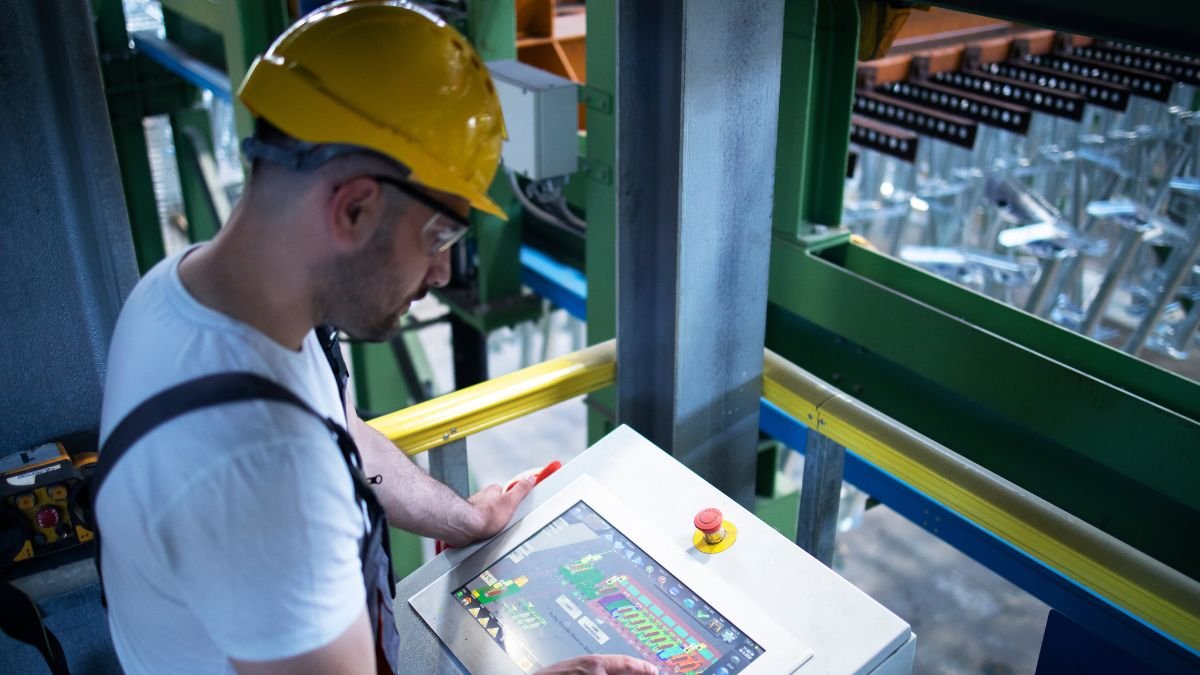
- Intelligent automation and IoT enable real-time process adaptation, driving consistency.
- Advanced sensors ensure products meet strict quality thresholds in highly regulated sectors.
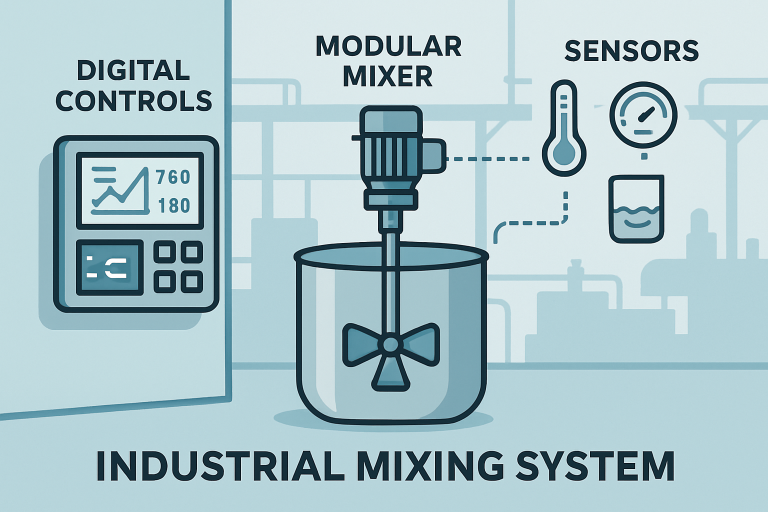
- Customizable and modular mixer designs accommodate diverse production needs.
- Energy efficiency in mixing equipment furthers greener manufacturing practices.
Modern manufacturing is shaped by rapid technological advancements and growing demands for quality, efficiency, and flexibility. Whether producing food products, pharmaceuticals, chemicals, or consumer goods, effective mixing processes are at the core of product consistency and plant productivity. Today’s industrial blenders integrate intelligent automation, sensor technology, and modular design to minimize waste and ensure process stability across batches. The blending process is no longer a simple mechanical step; it is a sophisticated, digitally coordinated system essential for business competitiveness and sustainability.
Innovative mixing approaches not only streamline operations but also advance sustainability goals. Energy-efficient designs and improved equipment flexibility help manufacturers lower operational costs while quickly adapting to new products and regulatory requirements. As companies invest in these state-of-the-art mixing systems, they set a new standard for quality assurance and operational agility in industrial settings.
Intelligent Automation and IoT Integration
The integration of intelligent automation and Internet of Things (IoT) solutions has been transformative for industrial mixing. New mixing systems include embedded controllers that monitor speed, torque, viscosity, and temperature in real time. Artificial intelligence processes these data streams, enabling self-adjusting cycles that maintain uniformity despite changes in ingredient quality or batch size. This leads to reduced product variability and faster cycle times, as well as the ability to document every parameter for quality control and compliance reporting. Automation links mixing operations with enterprise-level systems such as ERP and MES, synchronizing schedules and resources to maximize operational efficiency.
Advanced Sensor Technologies
Precise sensor technology plays a central role in optimizing mixing. Modern mixers deploy in-line rheology sensors, as well as ultrasonic and capacitance probes, for on-the-fly viscosity measurements. These sensors enable automated speed adjustments to achieve perfect blends every time. Industries such as paint and coatings, pharmaceuticals, and processed foods depend on this level of process intelligence to meet safety and quality specifications. In paint manufacturing, for example, advanced sensors ensure pigment particles are dispersed to micron-scale tolerances, directly impacting the finished product’s durability and appearance.
Modular and Customizable Designs
Adaptability is a prominent feature of today’s industrial blenders. Manufacturers now demand scalable, modular solutions to handle frequent recipe changes, product launches, and regulatory shifts. Modular mixer systems can be customized by tank size, blade geometry, drive type, and control interfaces. This flexibility enables businesses to easily swap components for different process needs, improve throughput, and lower downtime when scaling production up or down. It also accelerates time-to-market for new formulations or process adjustments, giving organizations a competitive edge.
Energy Efficiency and Sustainability
Energy use is a growing concern both for operational costs and environmental impact. Modern mixing equipment employs AI-driven motors and variable frequency drives that tailor energy use to the actual mixing load. As production needs fluctuate, these smart systems deliver only the power required, minimizing unnecessary consumption. Computational fluid dynamics and machine learning are being used to design more efficient impeller and tank shapes, minimizing resistance and flow obstructions. Additionally, systems that capture and repurpose waste energy, such as heat recovery, contribute to overall plant sustainability.
Enhanced Mixing Efficiency through Innovative Designs
Advancements in mixer engineering are taking efficiency to new heights. One promising innovation is the cross-T droplet generator, which blends concepts from both cross-junctions and T-junctions in fluid flows. This design has improved mixing indices by up to 10 percent compared to conventional T-style mixers. Such improvements are especially valuable in sectors requiring high shear and fine emulsification, such as biopharmaceuticals and specialty chemicals. These engineering breakthroughs are increasingly supported by simulation studies and computational modeling.
Improving Manufacturing Flexibility with IBCs and Parallel Processing
Intermediate Bulk Containers (IBCs) and parallel processing workflows are revolutionizing manufacturing flexibility. By using portable IBCs as blending vessels, plants avoid direct contact between the mixer and product. This eliminates cleaning downtime between recipes and supports an efficient, sanitary approach when processing multiple formulas simultaneously. Because IBCs are cleaned offline, the overall production line never needs to stop for sanitation, enabling true parallel batching and lean manufacturing strategies. This approach dramatically lifts overall equipment effectiveness (OEE), reduces cross-contamination risk, and supports faster responses to rush orders.
Conclusion
Process optimization in industrial mixing is now driven by intelligent technologies, modular design, advanced sensors, and energy-efficient solutions. These advancements deliver consistent product quality, reduce energy costs, and enable rapid adaptation to new business needs. Manufacturers who embrace digitalization, continuous improvement, and sustainable practices find themselves better positioned to succeed in a highly competitive global marketplace. As new technical breakthroughs emerge, the role of mixing at the heart of manufacturing productivity and product excellence will continue to grow.

MOBI ROLLER is a tech enthusiast with a background in technology. He writes about the latest trends, tools, and innovations in the tech world, sharing insights based on both knowledge and experience.