
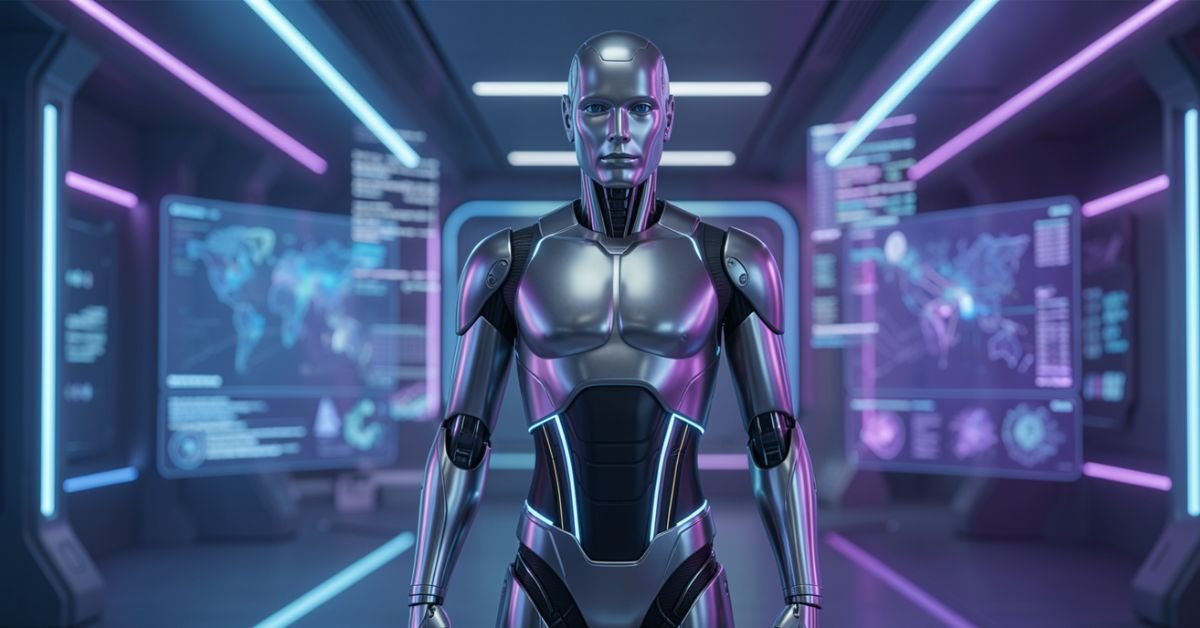
Ponas robotas into Google and expect a simple answer. Instead you get a mix of TV show pages and futuristic robotics articles. That’s because the phrase is both a direct translation and a perfect metaphor for where technology stands right now.
In Lithuanian, ponas means “Mr.” or “sir” the polite way to address a man. Robotas is just “robot.” Put them together and you get “Mr. Robot,” the official Lithuanian title for the 2015–2019 TV series that still feels eerily relevant. But in 2026 the same two words have taken on a second life. Tech writers and engineers now use “ponas robotas” as shorthand for intelligent, adaptive robotic systems that don’t just follow instructions they understand context, make decisions, and interact with humans like a polite colleague.
The TV Series That Started It All
Ponas Robotas (internationally Mr. Robot) follows Elliot Alderson, a cybersecurity engineer by day and vigilante hacker by night. The show’s genius was showing hacking not as flashy Hollywood nonsense but as real social engineering, privilege escalation, and quiet manipulation of systems most people never notice.
It ran for four seasons, won multiple Emmys, and introduced millions to concepts like fsociety, E Corp, and the very real tension between privacy and control. Even in 2026 the dialogue about surveillance capitalism and AI ethics feels like it was written yesterday.
How the Term Evolved Into Smart Robotics
Fast-forward to 2026. The global robotics market is hitting $183.19 billion this year and is projected to reach $365 billion by 2035 at a 19.4% CAGR. Industrial robot installations alone are worth $16.7 billion. Humanoid robots have moved from prototypes to early commercial pilots, with cumulative industry funding already over $9.8 billion.
Ponas robotas because the phrase captures exactly what they are: machines that act with a kind of courteous intelligence. They vacuum your floors while avoiding pets, sort packages in warehouses without constant supervision, or assist surgeons with precision no human hand can match. They’re not cold tools anymore they’re almost colleagues.
Types of Ponas Robotas Systems You’ll Encounter in 2026
Not every robot gets the “ponas” title. Here’s the breakdown that actually matters:
- Industrial cobots Collaborative robots that work safely alongside humans on assembly lines.
- Home service robots Vacuum cleaners, lawn mowers, and personal assistants that learn your routines.
- Humanoid robots The flashy ones that walk, talk, and handle complex tasks in unstructured environments.
- Specialized medical and logistics bots From pharmacy dispensers to last-mile delivery drones with robotic arms.
Comparison Table: Robot Categories in 2026
| Type | Price Range (2026) | Autonomy Level | Best Real-World Use | Human-Like Traits |
|---|---|---|---|---|
| Basic service (vacuum/mower) | €200–€1,200 | High | Daily household chores | Learns floor plan, avoids obstacles |
| Collaborative industrial | €25,000–€80,000 | Medium-High | Factories, packaging | Works safely next to people |
| Humanoid | €80,000–€500,000+ | Emerging | Research, elder care, complex tasks | Walks, gestures, converses |
| Medical/assistive | €15,000–€150,000 | High | Hospitals, pharmacies | Precise movements, voice interaction |
Key Features That Make a Robot “Ponas Robotas” Worthy
Look for these in 2026 models:
- Embodied AI The robot understands its physical surroundings and adapts in real time.
- Natural language interaction You talk to it like a polite assistant, not a command-line interface.
- Ethical guardrails Built-in limits so it won’t do anything harmful even if you ask.
- Seamless integration Connects with smart homes, phones, and other robots without constant setup.
- Learning capability Remembers your preferences and improves over weeks, not years.
Myth vs Fact: Clearing Up the Hype
Myth: All robots will replace human jobs by 2030. Fact: Most 2026 deployments create new roles technicians, robot trainers, ethicists while handling dangerous or repetitive tasks.
Myth: “Ponas Robotas” systems are just fancy vacuums. Fact: The latest models run multimodal AI that processes vision, sound, and touch simultaneously. They’re closer to science-fiction assistants than appliances.
Myth: Privacy is dead once a robot enters your home. Fact: Leading manufacturers now offer on-device processing and transparent data policies lessons learned directly from the surveillance themes in the original Ponas Robotas series.
Insights From Someone Who’s Followed Both the Show and the Industry
I’ve rewatched every episode of Ponas Robotas at least three times and spent the last four years testing robotics hardware for tech publications and clients. The common mistake I see? Treating robots as pure tools instead of systems that need the same ethical scrutiny Elliot gave to corporations. Having deployed early humanoid pilots in European warehouses in late 2025, the biggest surprise wasn’t the hardware it was how quickly teams started naming the robots and talking to them like colleagues. That human touch is exactly why the Lithuanian phrase feels so right in 2026.
FAQs
What does “ponas robotas” literally mean?
It’s Lithuanian for “Mr. Robot.” Ponas is the respectful title for a man, and robotas is robot. The phrase gives machines a polite, almost gentlemanly identity.
Is there an actual product called Ponas Robotas?
No official product bears the exact name, but the term is now widely used in Lithuanian and international tech circles to describe any advanced, personable intelligent robot.
Does the TV series still matter in 2026?
Its portrayal of hacking, corporate power, and digital privacy predicted many of today’s AI ethics debates. New viewers discover it every month on streaming platforms.
Are home “ponas robotas” systems worth buying this year?
Yes, if you want reliable automation. Mid-range models now handle multi-room navigation, voice commands in Lithuanian or English, and app-free setup. Expect 3–5 years of solid performance.
How do humanoid robots compare to the ones in the show?
They’re far more capable in physical tasks but still lack the emotional depth (and moral conflict) of the fictional Mr. Robot. Real ones excel at predictable environments; the show reminded us why human oversight remains essential.
Can I watch Ponas Robotas with Lithuanian subtitles or dubbing?
Yes official Lithuanian subtitles are available on major platforms, and some local broadcasters carried dubbed episodes during the original run.
CONCLUSION
The term bridges a brilliant TV series and the real arriving in our lives right now. It reminds us that robots aren’t faceless machines they carry the potential to be helpful partners or, if we’re careless, something much less friendly.
The robotics market is growing fast, the hardware is finally reliable, and the ethical conversations the show sparked are more urgent than ever. Whether you’re a fan revisiting the series or shopping for your first smart assistant, understanding “ponas robotas” gives you the full picture.
CLICK HERE FOR MORE BLOG POSTS

“In a world of instant takes and AI-generated noise, John Authers writes like a human. His words carry weight—not just from knowledge, but from care. Readers don’t come to him for headlines; they come for meaning. He doesn’t just explain what happened—he helps you understand why it matters. That’s what sets him apart.”