
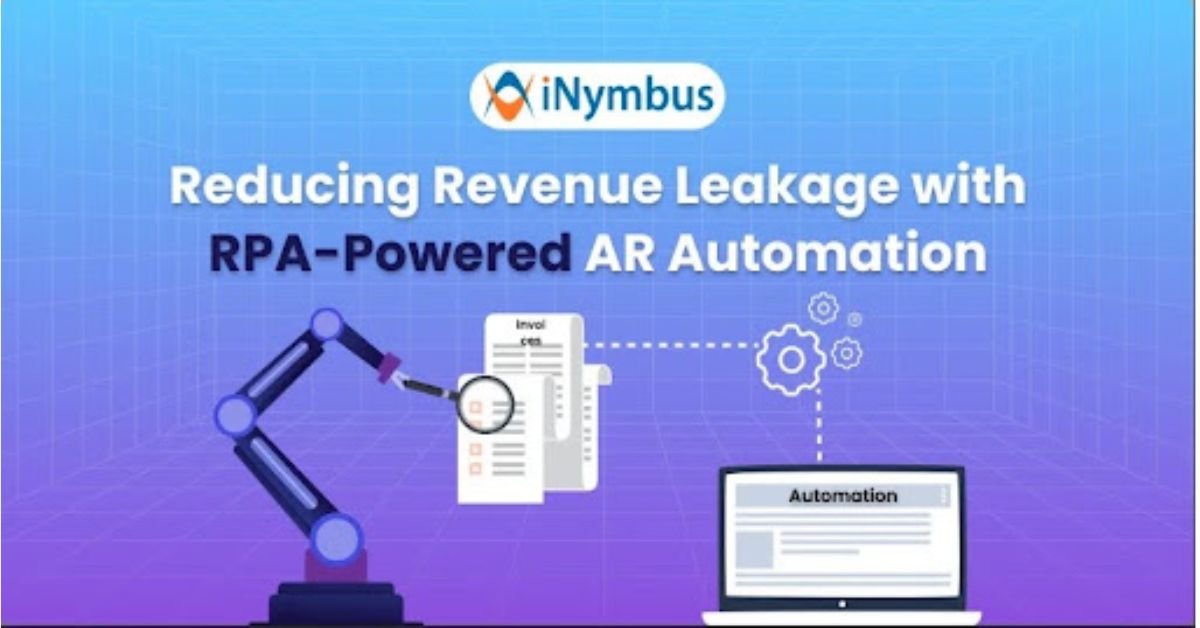
Revenue leakage rarely happens all at once. It builds gradually through unresolved deductions, delayed disputes, missed follow-ups, and disconnected processes spread across spreadsheets, emails, ERP systems, and retailer portals. What may start as a few small chargebacks can quietly grow into significant margin erosion over time.
For finance and accounts receivable (AR) teams, managing deductions is one of the most operationally demanding areas of the revenue cycle. Each claim raised by a retailer requires investigation, validation, documentation, and a timely response. When these steps are handled manually, they slow down recovery cycles and increase the risk of missed revenue opportunities.
The challenge is not just visibility; it is execution.
Many companies can see deduction entries in their accounting systems, but acting on them quickly and consistently is where complexity arises. Teams must log into multiple retailer portals, extract claim details, compare them against invoices and shipment records, verify proof of delivery (POD), and prepare dispute documentation. These repetitive, rule-based tasks consume valuable time and limit scalability.
This is where Robotic Process Automation (RPA) is transforming AR operations.
iNymbus provides RPA-powered software designed for end-to-end automation of deduction management. The platform automatically identifies deductions, validates them against transactional data, disputes invalid claims, and helps recover lost revenue from major retailers. By automating the complete lifecycle, from detection to recovery, companies gain stronger control over their receivables process.
When a retailer raises a deduction related to shortages, pricing discrepancies, compliance issues, or returns, the iNymbus RPA-powered software initiates a structured workflow:
- Extracts deduction data directly from retailer portals
- Matches claims against invoices, shipment records, and POD documents
- Identifies discrepancies that require dispute
- Organizes supporting documentation
- Submits and tracks disputes through resolution
- Monitors recovery status to ensure revenue is collected
By eliminating manual portal navigation and repetitive validation steps, companies significantly reduce operational dependency while improving consistency and accuracy.
One of the most immediate benefits is shorter dispute resolution cycles. Automated workflows ensure deductions are reviewed as soon as they are identified, reducing delays and helping companies meet retailer dispute deadlines. Faster action increases the probability of successful recovery.
Recovery rates also improve. Smaller deductions, often ignored due to workload constraints, are systematically evaluated and disputed when invalid. Over time, this structured approach strengthens margin protection and reduces accumulated revenue loss.
Operational efficiency is another major advantage. AR professionals can shift their focus from repetitive administrative tasks to higher-value activities such as analyzing deduction trends, identifying root causes, and collaborating with supply chain or sales teams to prevent recurring issues. Instead of reacting to deductions, companies can build a more proactive and controlled strategy.
Additionally, enhanced reporting and tracking provide clearer financial visibility. Automated systems maintain structured records of deduction categories, dispute outcomes, recovery timelines, and retailer performance. This data supports stronger forecasting, compliance monitoring, and strategic planning.
Importantly, automation supports human oversight rather than replacing it. Complex or exception-based claims still require professional judgment. However, by automating rule-based execution, companies ensure every deduction is identified, reviewed, and actioned without delay.
With iNymbus RPA-powered software delivering end-to-end automation, companies move from reactive deduction handling to a structured, recovery-focused AR strategy. By identifying deductions, disputing invalid claims, and recovering lost revenue from major retailers, organizations protect margins while improving operational efficiency.
Revenue leakage may build gradually, but with the right RPA framework in place, companies can systematically control, dispute, and recover what rightfully belongs to them, turning AR automation into a strategic financial advantage.
CLICK HERE FOR MORE BLOG POSTS
