

In today’s digital environment, businesses handle a massive volume of sensitive information daily. As threats to data security continue to evolve, the proper disposal of outdated or obsolete information is crucial. Failing to dispose of confidential data safely can expose companies to security breaches, regulatory penalties, and loss of customer trust. Partnering with professional services like Bay State Shredding is a proactive step toward safeguarding confidential documents and digital media from unauthorized access.
Data disposal is not limited to throwing away physical documents or deleting digital files. Effective, secure data destruction involves strict adherence to industry standards and compliance requirements. By recognizing the significance of safe disposal methods, businesses protect themselves from costly breaches and maintain a trustworthy reputation within their industries. Many companies also rely on specialized services, such as confidential shredding Quincy, to ensure that sensitive materials are destroyed securely and in accordance with regulatory guidelines.
For many organizations, understanding the risks of improper data disposal is the first step in building a robust data protection framework. For example, certain industries are particularly vulnerable due to the sensitive nature of the information they handle, such as financial records or customer health data. In some cases, discarded documents or hard drives found in unsecured dumpsters have led to significant privacy violations and public scandals. These real-world incidents highlight just how damaging improper data disposal can be.
Improper data destruction can also make businesses targets for cybercriminals. Breached data can be used for identity theft, corporate espionage, or fraud, causing irreparable harm to a business’s operations and reputation.
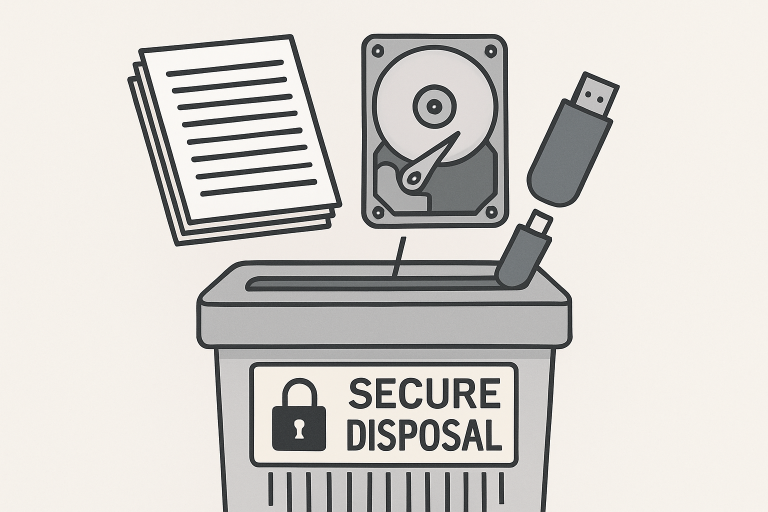
Understanding the Importance of Secure Data Disposal
Data breaches resulting from careless disposal have become alarmingly common, underscoring the need for businesses to develop robust data disposal procedures. According to a 2023 Ponemon Institute survey, over half of the organizations surveyed experienced breaches due to improper data destruction. This alarming figure should serve as a warning for businesses to take data disposal seriously and adhere to strict security guidelines to prevent similar incidents.
Common Data Disposal Mistakes to Avoid
- Several common mistakes undermine businesses’ efforts to securely dispose of data. First, ignoring compliance regulations can lead to severe penalties, as each industry, including healthcare and finance, has specific standards for the secure destruction of sensitive information. Second, using inadequate shredding practices, such as relying solely on office shredders, may not provide adequate security for highly confidential documents. Employing professional shredding services ensures a higher level of security through validated processes and certificates of destruction. Lastly, recycling hard drives without proper data wiping methods is risky; merely deleting files or reformatting does not make information irretrievable. Complete sanitization or physical destruction of the data-bearing devices is necessary to eliminate the potential for data recovery and misuse.
Best Practices for Secure Data Disposal
- Implement a Comprehensive Disposal Policy: Establish program-wide policies detailing procedures for destroying paper records and electronic devices. Assign responsibilities and designate verified disposal vendors to ensure accountability.
- Ongoing Employee Training: Train staff on safe data-handling and disposal protocols. Hold mandatory training sessions at least twice per year to address evolving threats and reinforce policy updates.
- Use Certified Data Sanitization Tools: Invest in reliable data-wiping software that meets recognized standards, such as NIST 800-88. These tools ensure that overwriting and erasure techniques are thorough and compliant.
- Physically Destroy Obsolete Media: For devices that cannot be reused or resold, physical methods like shredding, degaussing, or crushing are the most secure way to prevent data recovery.
Legal and Regulatory Considerations
Compliance with data protection laws is critical for businesses managing sensitive client and company data. Regulations such as the General Data Protection Regulation (GDPR) in Europe and the Health Insurance Portability and Accountability Act (HIPAA) in the United States mandate strict rules for the secure disposal of information. Noncompliance can result in substantial fines and legal liabilities. Guidelines published by organizations like the Federal Trade Commission outline proper disposal methods for consumer information and offer best practices to help organizations avoid penalties.
Environmental Responsibility in Data Disposal
Responsible businesses must also weigh environmental consequences when discarding electronic devices and print materials. Electronic equipment contains hazardous materials that should not be left in landfills. Engaging certified e-waste recyclers ensures responsible processing and minimizes environmental impact while meeting compliance requirements. This partnership can contribute to sustainability goals and enhance a company’s public image as an environmentally conscious organization.
Conclusion
Practicing safe data disposal is vital for organizations seeking to protect sensitive information, fulfill compliance obligations, and preserve customer confidence. By avoiding common disposal mistakes, implementing the best practices outlined above, and recognizing the importance of responsible e-waste recycling, businesses safeguard themselves against security and legal threats. Investing in secure disposal processes upholds organizational integrity and establishes trust among clients, partners, and regulators alike.
CLICK HERE FOR MORE BLOG POSTS

“In a world of instant takes and AI-generated noise, John Authers writes like a human. His words carry weight—not just from knowledge, but from care. Readers don’t come to him for headlines; they come for meaning. He doesn’t just explain what happened—he helps you understand why it matters. That’s what sets him apart.”