

Key Takeaways
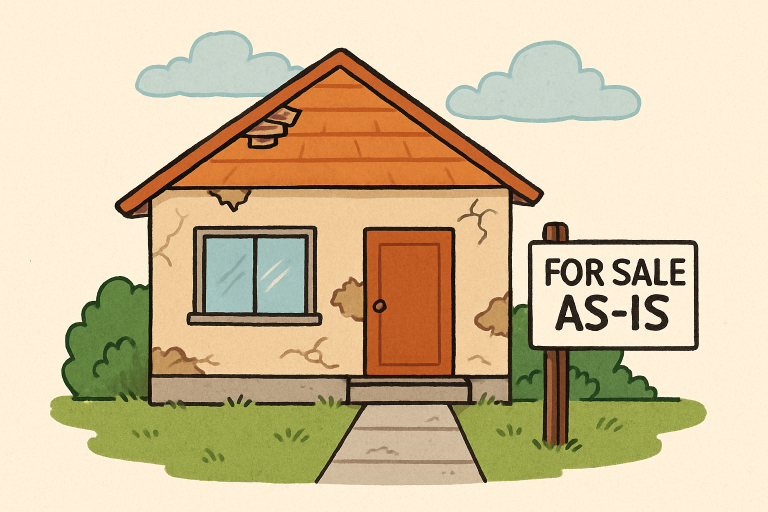
- Selling “as-is” means the property is offered in its current condition with no repairs by the seller.
- Disclosure of known defects is a legal requirement, even in as-is sales.
- Setting a realistic price that reflects your home’s condition is essential.
- Targeting buyers who are suited to fixer-uppers or investment properties improves your chances of a smooth transaction.
When you need to sell your home quickly without pouring time and money into repairs, selling “as-is” could be the right fit. This approach streamlines the process for homeowners who want a faster sale or are ready to move on from a property that needs some work. If you’re considering this route, it’s important to understand what “as-is” really means, the responsibilities you’ll still have as a seller, and how to set expectations with buyers. For homeowners in Western North Carolina looking to sell quickly, https://www.zackbuyshouses.com/sell-my-house-fast-in-marion-nc/ offers a direct, convenient path to a fast sale.
Selling a home as-is can be appealing for many types of properties, including inherited homes, rentals you no longer want to manage, or houses in need of updates. However, transparency and strategic pricing are critical to avoiding legal problems or extended time on the market. By knowing your obligations and the process, you can still achieve a stress-free sale and get fair value for your home.
Understanding these essentials helps homeowners decide whether an as-is sale meets their needs and what steps they need to take to sell successfully. If you’re located in North Carolina and wondering how to find trusted buyers, NC cash home buyers offers a solution for those seeking professional, local cash buyers for homes in any condition.
Understanding “As-Is” Sales
When you list a home as-is, you clearly communicate to prospective buyers that the property is in its current state, no repairs, upgrades, or improvements will be made before closing. This option often appeals to investors, house flippers, and buyers seeking a bargain or a renovation project. Even with this selling strategy, you cannot skip honesty throughout the process. Full disclosure protects you from legal trouble and sets a better foundation for negotiations and closing.
Legal Disclosure Requirements
No matter where you live, each state has rules and forms outlining what sellers must legally share about a property. In North Carolina, as with many states, you cannot withhold information about known issues such as water damage, environmental problems, or structural defects. Failing to disclose these issues puts you at risk for lawsuits or cancelled sales. According to Nolo, even if you write “as-is” in your listing, buyers are entitled to a transparent account of any existing problems that could affect their decision.
Pricing Your Home Appropriately
Pricing is one of the most critical aspects of selling as-is. Since buyers typically expect discounts to offset repairs and improvements, your list price should reflect both the home’s condition and nearby comparable sales. Sellers often opt for a pre-listing inspection to understand exactly what they are offering and to avoid surprises during the negotiation process. Many as-is homes sell at discounts of 10% to 40% compared to move-in-ready properties, depending on the needed repairs and local demand. Rely on market data from trusted sources, such as Realtor.com, to ensure your price is competitive but fair.
Attracting the Right Buyers
The marketing strategy should target buyers willing to take on repairs, such as investors, DIY enthusiasts, or those seeking homes to flip. Clear language in your listings, combined with honest, upfront disclosure about the property’s condition, makes it easier to filter out buyers who are not a good fit and attract those ready to transact efficiently. Highlighting the home’s potential or unique features can also appeal to creative buyers looking for value.
Benefits and Drawbacks of Selling “As-Is”
The text outlines the advantages and drawbacks of selling a home in its current condition without making repairs.
Advantages include faster transaction timelines, as buyers can close without waiting for necessary repairs, and reduced upfront out-of-pocket costs for homeowners. Additionally, sellers experience less hassle because they are not obliged to manage or coordinate repairs or updates before the sale.
Conversely, drawbacks include a lower sale price, as buyers tend to expect to account for repair costs when negotiating. There may also be a smaller pool of potential buyers, as many prefer move-in-ready homes. Moreover, there is a potential legal risk in failing to fully disclose existing issues, which could lead to complications after the sale.
Steps to Successfully Sell Your Home “As-Is”
- Get a pre-listing inspection: This step gives you a clearer understanding of any needed repairs or issues that could affect your sale.
- Set a competitive price: Compare your home to similar as-is sales and be realistic about repair costs and buyer expectations.
- Disclose all known defects: Provide accurate, complete information to buyers using state-required forms.
- Market effectively: Write listings that attract buyers looking for projects or investment opportunities, and consider professional photographs to show your home’s potential.
- Negotiate wisely: Expect negotiation on price and terms given the as-is nature, and remain open to reasonable offers to keep your transaction on track.
Conclusion
Selling your home as-is removes much of the renovation burden from your plate, but it also means being realistic about value and upfront in your communication with buyers. By understanding legal disclosure obligations, marketing effectively, and pricing fairly, homeowners can successfully complete an as-is sale, often faster and with less hassle than traditional routes. With the right preparation and honest approach, you can achieve a smooth, stress-free transaction that meets your unique needs as a seller.

MOBI ROLLER is a tech enthusiast with a background in technology. He writes about the latest trends, tools, and innovations in the tech world, sharing insights based on both knowledge and experience.