

Key Takeaways
- Recognize and prepare for the most common stressors in the home-selling process.
- Take proactive, practical steps to make the sale smoother and more efficient.
- Leverage trustworthy support and strategic timing to reduce headaches and streamline your experience.
Selling your home is a significant milestone that can challenge even the most organized and calm individuals. From the initial decision to list your property to the final closing day, every step requires careful thought and sometimes tough choices. While the process is rarely stress-free, smart preparation and a strategic approach can help you minimize stress and maximize results. In Colorado, for instance, alternative sales solutions such as https://www.newhopeco.com/we-buy-houses-colorado/ can simplify and speed up the process for sellers seeking convenience.
The journey involves both emotional and financial considerations, and understanding the potential stressors up front can help you tackle them directly. Whether you are relocating for work, managing an estate, or making a lifestyle change, selling a home is more than just a property transaction; it is a life transition that deserves careful attention to detail.
Along the way, sellers can lean on available resources and expert advice to make better decisions. Keeping your expectations realistic and using professional services when needed can contribute to a smoother, more pleasant experience. As you prepare for each stage of the sale, remember that there are reputable assistance options, such as https://www.newhopeco.com/, that specialize in supporting sellers through challenging markets or timelines.
Recognize the Common Stressors
Before you can alleviate stress, it is important to identify the common challenges that often cause anxiety for home sellers. These often include:
- Financial Uncertainty: Concerns about getting the desired sale price and covering all the expenses, from repairs to closing costs.
- Time Management: Balancing sales-related appointments with work, family, and everyday life demands.
- Emotional Attachment: The challenge of saying goodbye to a home full of memories and meaning.
Set Realistic Expectations
Understanding your local real estate market is the backbone of a successful sale. Setting your expectations based on market reality rather than emotion or hearsay can help keep stress in check. Market data shows that timing your listing for peak buying months, like April, may result in higher prices and faster sales. According to research from Realtor.com, market activity tends to spike in spring, benefiting sellers who prepare in advance.
Prepare Your Home Effectively
The way your home looks and feels to buyers is crucial to a smooth, profitable sale. Simple improvements can go a long way toward attracting the right buyer. Focus on:
- Decluttering and Cleaning: A streamlined space not only feels larger but also allows buyers to picture their own belongings in the home.
- Making Minor Repairs: Address issues like leaky faucets, chipped paint, or loose fixtures to boost appeal and demonstrate your care for the home.
- Staging the Space: Arrange furniture and decor to highlight your home’s best features. Neutral colors and open spaces create an inviting atmosphere.
Choose the Right Real Estate Professional
Working with a trusted real estate agent is one of the most effective ways to manage stress during the sales process. A good agent brings deep market expertise, negotiation skills, and a strong marketing toolkit. According to Bankrate, most successful sales involve a knowledgeable agent who can accurately price your home and guide you through any complicated paperwork or negotiations.
Manage Showings Strategically
Frequent home showings can quickly disrupt your daily routine. To maintain balance, set clear boundaries on when buyers can view your home. Limiting showings to designated days or hours can help you plan and minimize logistical headaches. Additionally, offering high-quality virtual tours can reduce the need for constant in-person visits, especially for out-of-state or busy buyers.
Stay Organized with Documentation
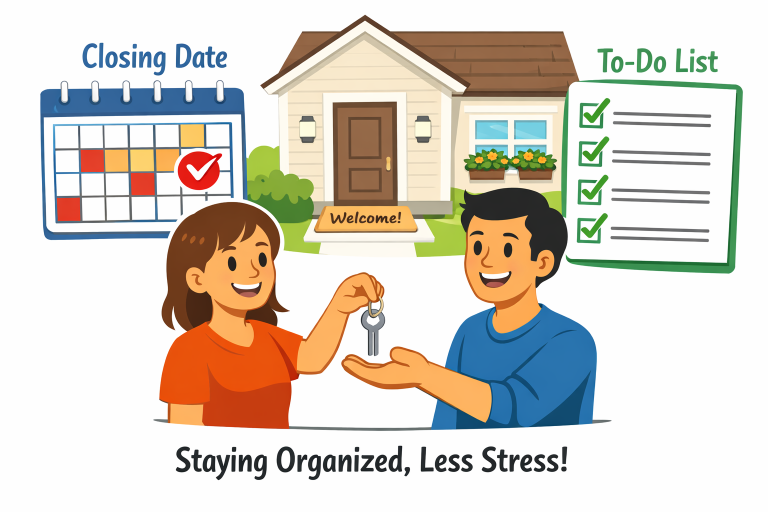
Keeping all critical documents, such as title deeds, inspection reports, recent utility bills, and repair records- organized and accessible can speed up the process and prevent scrambling at the eleventh hour. Consider creating both physical and digital folders for all necessary paperwork to ensure nothing is overlooked.
Consider Market Timing
The real estate market is dynamic and influenced by factors like interest rate changes, local job growth, and seasonal demand. Recently, the Federal Reserve’s rate adjustments have impacted buyer enthusiasm in many regions, according to Realtor.com. Staying attuned to broader economic indicators will help you make more informed decisions about when to list and how to price your home.
Seek Support and Stay Flexible
No matter how meticulously you plan, surprises and setbacks can arise. Lean on family and friends for emotional support, and consider joining online seller support groups. Flexibility during negotiations, move-out dates, and inspection requests can make the process less tense for everyone involved and often leads to a better overall outcome. By staying proactive, organized, and informed, you can transform the process of selling your home from a source of anxiety into a manageable, even rewarding, life chapter.
Conclusion
Selling your home doesn’t have to be an overwhelming experience. By recognizing common stressors early, setting realistic expectations, and taking proactive steps to prepare your property, you can create a smoother and more efficient process from start to finish. Staying organized, managing your time wisely, and being flexible during negotiations all contribute to a more positive outcome. Equally important is leaning on trusted professionals and support systems to guide you through each stage. With the right strategy, preparation, and mindset, you can reduce stress, stay in control, and successfully navigate your home sale with confidence and ease.

MOBI ROLLER is a tech enthusiast with a background in technology. He writes about the latest trends, tools, and innovations in the tech world, sharing insights based on both knowledge and experience.