
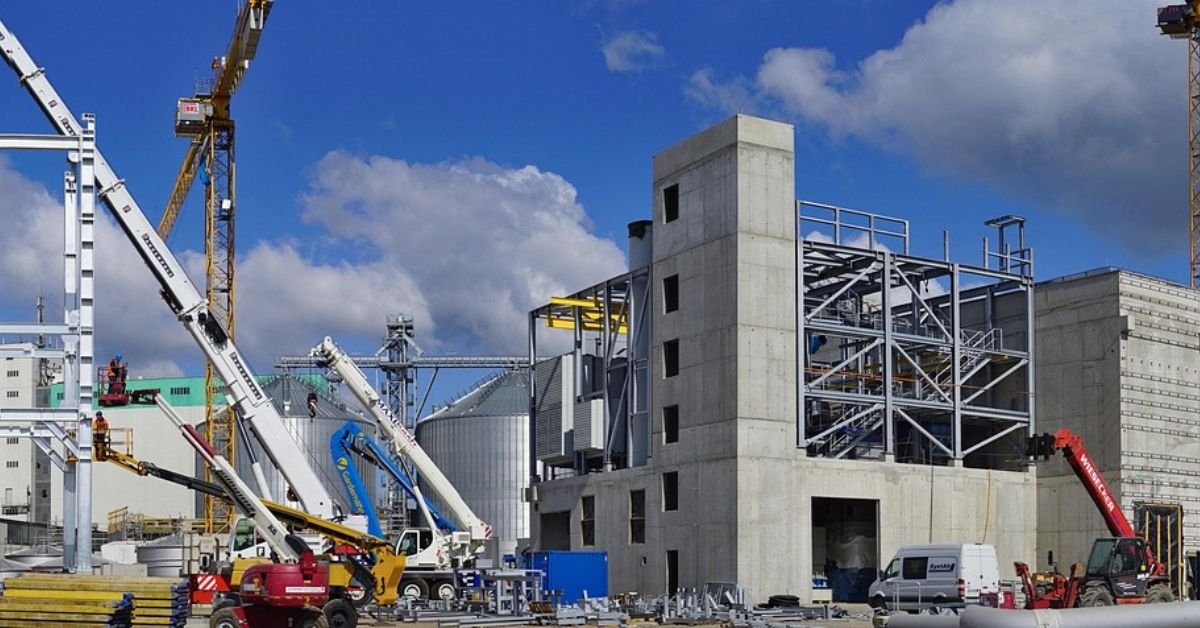
Introduction to Underpinning
Underpinning is a vital construction technique for homeowners and property managers looking to safeguard the structural integrity of their properties. As buildings age or undergo significant changes, the original foundation may no longer provide adequate support. Various environmental and structural factors contribute to this need, making underpinning essential to maintaining the structure’s safety. For anyone exploring solutions to secure a foundation or planning home renovations, such as basement underpinning, understanding the underpinning process is crucial.
The technique enhances foundation stability, protecting homes from unforeseen issues caused by shifting soil, increased loads, or unexpected damage over time. By reinforcing the base of a home, underpinning can help prevent extensive repairs and support future improvements or renovations.
Common Causes Necessitating Underpinning
- Soil Conditions: Foundation movement often results from changes in soil composition or fluctuating moisture levels. Plastic clays, loose fill, or expansive soils tend to shift over time, undermining a building’s structural stability.
- Increased Loads: Renovations such as adding extra floors or heavy installations can put additional stress on existing foundations, potentially exceeding their original load-bearing capacity.
- Natural Disasters: Earthquakes, floods, or nearby construction can affect foundational strength or cause immediate structural issues that underpinning can address.
- Construction Errors: Mistakes made during initial building construction, such as poorly mixed concrete or inadequate footings, can leave the foundation vulnerable to future problems.
As reported by Family Handyman, early detection and prompt action can save homeowners significant repair costs and inconvenience.
Methods of Underpinning
There are several recognized methods for underpinning, each selected based on unique site conditions and structural requirements:
- Mass Concrete Underpinning: The most traditional method, it involves digging out controlled sections beneath the existing foundation and filling them with concrete. This increases the depth of the foundation and spreads the load to a more stable soil layer.
- Beam and Base Underpinning: This approach involves constructing a reinforced concrete beam beneath or alongside the existing foundation. The beam shifts the structural loads to new concrete bases, placed at calculated intervals for optimal support.
- Mini-Piled Underpinning: Ideal for sites with restricted access or deeper foundational needs, mini-piling drives small-diameter piles deep into stable soil layers. These piles carry the building’s weight away from compromised or unstable soil.
Selecting the appropriate method typically involves a thorough survey by a qualified structural engineer, who considers factors like soil quality and the building’s design.
Additionally, newer underpinning methods, such as jet grouting and resin injection, have emerged in recent years. These options can be beneficial in specialized circumstances when traditional approaches are unfeasible, such as in urban settings where space is limited and minimal disruption is essential. Jet grouting involves injecting pressurized grout to create a strong column beneath the existing foundation, thereby increasing soil strength and support. On the other hand, resin injection uses expanding resin to stabilize loose soils and fill voids beneath the foundation, providing rapid reinforcement with minimal excavation. These innovative techniques can be tailored to meet specific site requirements and often allow for faster project turnaround times.
Benefits of Underpinning
- Enhanced Structural Integrity: Underpinning reinforces the foundation, providing greater stability and preventing continued settlement or structural issues.
- Increased Property Value: Homes with stable, professionally underpinned foundations are often valued higher on the real estate market. Prospective buyers feel more confident investing in structurally sound properties.
- Accommodation of Renovations: Underpinning is essential when expanding or modifying the property, as it ensures the existing foundation can support any new loads from additions or remodeling.
- Improved Safety and Longevity: By proactively strengthening the foundation, homeowners can prevent hazardous conditions that could threaten occupants or require emergency repairs in the future. The lifespan of the structure is also significantly extended, ensuring it remains serviceable for generations.
Financially, underpinning can also reduce long-term maintenance expenses. When structural weaknesses are addressed early, costly emergency repairs or insurance claims may be avoided. Many insurance providers view underpinning as a positive risk mitigation measure, which may even lead to reduced premiums for some homeowners.
Indicators That Underpinning May Be Required
Property owners should pay close attention to warning signs of foundation instability. Some common indicators include:
- Visible cracks in walls, floors, or exterior brickwork.
- Doors and windows that become difficult to open or close due to shifting frames.
- Noticeably sloped or uneven floors, often accompanied by separation between walls and ceilings or floors.
- Persistent gaps appear at corners or along baseboards.
- Plumbing leaks or broken pipes, which can exacerbate or be symptomatic of foundation movement.
Recognizing these symptoms early allows for timely intervention, minimizing the risk of major structural repairs down the line.
Homeowners should also keep an eye on the outside of the property, monitoring for tilting chimneys, separating porches, or steps pulling away from the main structure. Regular inspections, especially after major weather events, can be instrumental in catching early signs of trouble and maintaining peace of mind.
Underpinning Process Overview
The underpinning process typically follows a sequence designed to maximize safety and efficacy:
- Assessment: A certified structural engineer or foundation specialist examines the building, diagnoses the cause of any movement, and specifies the required underpinning approach.
- Design: The engineer drafts detailed plans that address both the structural requirements and the unique characteristics of the existing soil and site.
- Construction: The selected underpinning method is implemented by qualified professionals, with special care taken to avoid damage to the existing structure and minimize disturbance to occupants.
- Inspection: Thorough post-construction evaluations confirm that the underpinning meets design specifications and local building codes, ensuring continued foundation reliability.
Communication with all stakeholders, including homeowners, tenants, and relevant authorities, is necessary throughout the process. Temporary relocation may sometimes be advised for safety or convenience, particularly for more extensive underpinning projects. It is critical that all work comply with local building regulations and standards, which may vary by jurisdiction. Planning permissions and engineering certifications are often required, especially in dense urban environments or historical neighborhoods.
Final Thoughts
The importance of underpinning cannot be understated in residential construction and renovation. It serves as a proactive measure to safeguard homes against the risks posed by shifting soils, added loads, or prior construction deficiencies. Regularly monitoring for foundation issues and consulting professionals when problems arise can help maintain long-term structural safety. As homeowners consider property improvements, understanding the role of underpinning helps them make informed decisions, protecting both their investment and their families’ safety.
Ultimately, whether maintaining an older home or planning major renovations, underpinning should always be considered a valuable investment. Modern engineering advancements have made underpinning a more accessible, efficient, and reliable process, suited to a wide variety of site challenges. By working with qualified professionals, property owners ensure that their homes stand strong for years to come, providing peace of mind and security in an ever-changing environment.
CLICK HERE FOR MORE BLOG POSTS

“In a world of instant takes and AI-generated noise, John Authers writes like a human. His words carry weight—not just from knowledge, but from care. Readers don’t come to him for headlines; they come for meaning. He doesn’t just explain what happened—he helps you understand why it matters. That’s what sets him apart.”