
Key Takeaways
- Energy-efficient homes dramatically cut utility costs and environmental impact.
- Modern technologies such as heat pumps and smart systems play a pivotal role in achieving efficiency.
- National and local policies are encouraging widespread adoption through rebates and updated building codes.
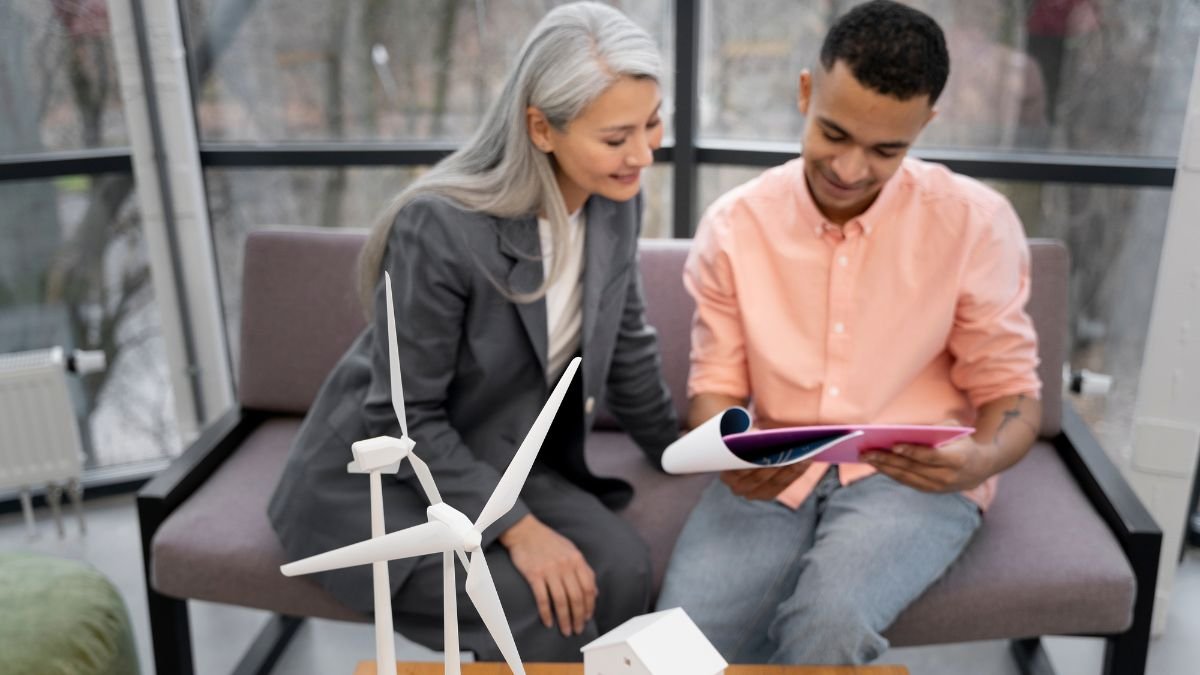
As energy demands increase and environmental concerns become more urgent, the concept of the energy-efficient home is rapidly transforming from a trend into a necessity. Today, more homeowners and builders are recognizing the importance of designing residences that deliver on sustainability, comfort, and savings. With technology evolving and consumer expectations rising, the path toward greener living is now more accessible than ever. Companies like Net Zero are helping bridge the gap between traditional homes and the ultra-efficient standards that set the benchmark for the future.
Energy-efficient homes deliver numerous benefits beyond just eco-friendliness. Homeowners can expect substantial reductions in utility bills and carbon footprint, along with an overall increase in comfort and property value. Cutting-edge heating, cooling, and smart home systems combined with available government incentives are accelerating this shift, pushing energy-efficient practices to become standard features rather than optional upgrades.
Along with cost savings and improved comfort, the demand for energy-efficient construction is supported by rising market interest in sustainability and by real estate trends favoring modern, future-proof features.
Advancements in Energy-Efficient Technologies
One of the most significant advancements in home energy efficiency is the adoption of heat pumps. These systems efficiently provide both heating and cooling and are rapidly replacing traditional HVAC solutions in many new builds and retrofits. With strong commitments from state governments and initiatives to expand heat pump use by 2030, homeowners can expect these technologies to become a common sight across American neighborhoods. This trend is already contributing to lower emissions and reduced reliance on fossil fuels. For example, new collaborations have set ambitious targets to quadruple heat pump installations nationwide by the end of the decade.
Smart Home Integration
Smart home technology has elevated what efficiency means at the household level. Devices such as smart thermostats can analyze occupants’ schedules and automatically adjust heating or cooling. Similarly, smart meters and energy-efficient LED lighting enable constant monitoring and optimization of energy consumption. By embracing these systems, homeowners not only save money on their bills but also contribute to larger energy-saving goals within their communities. According to Consumer Reports, switching to these smart systems can further reduce energy use by 10% or more each year.
Government Incentives and Policies
Federal and state governments are actively supporting the transition to energy-efficient housing. The Inflation Reduction Act, for instance, provides substantial tax credits and rebates up to $14,000 for efficient home upgrades such as advanced insulation, heat pumps, and smart technology adoption. Many states supplement these incentives with additional programs, including grants and low-interest loans for renovations that improve building efficiency. These policies make eco-friendly living more attainable and support large-scale progress toward emission reduction goals.
Updated Building Codes
Recent updates to national and local building codes reflect the urgency of raising efficiency standards. These new codes require tighter insulation, more efficient appliances, and stringent air sealing for new construction projects. Such standards not only ensure long-term cost savings for homeowners, estimated to be over $15,000 for single-family homes and nearly $6,000 for multifamily units over 30 years, but also future-proof homes against energy volatility and stricter environmental regulations. Adoption of these codes is expected to accelerate as policymakers and utilities align on sustainable development goals.
Net-Zero Energy Homes
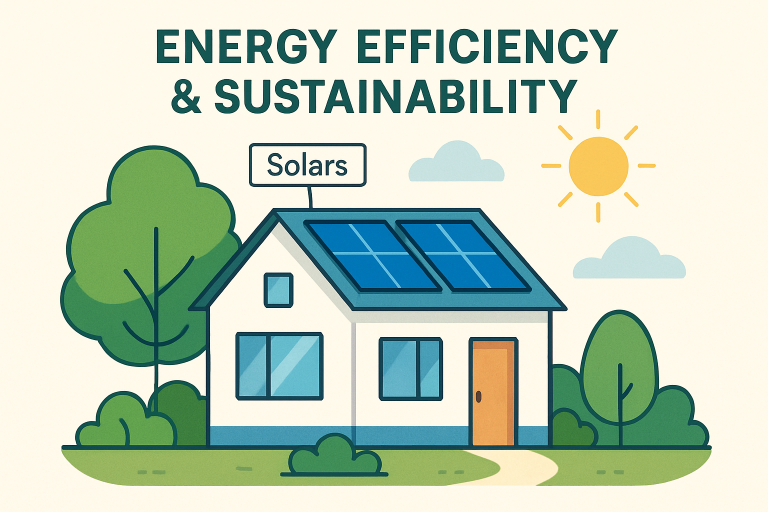
The rise of net-zero energy homes marks a significant leap forward in green building practices. These homes are designed to generate as much energy as they consume annually, often by incorporating solar panels, geothermal heating, and highly efficient airtight envelopes. Net-zero designs emphasize renewable energy integration with advanced insulation and state-of-the-art windows, creating residences that operate independently of traditional energy grids and utilize minimal outside resources. The U.S. Department of Energy’s Builders Challenge is at the forefront of promoting this movement, aiming to usher in an era where carbon-neutral homes become the standard within the next decade.
Passive House Design
Another noteworthy standard, the Passive House design, focuses on maximizing energy efficiency through airtight construction, enhanced insulation, and high-quality windows and doors. With over 47,400 certified Passive House units worldwide as of January 2025, this approach is celebrated for slashing heating and cooling energy consumption by up to 90%. Additional benefits include improved indoor air quality, greater comfort, and durability. Passive House practices are gaining momentum in cities and communities seeking to reduce energy intensity without sacrificing livability or design aesthetics.
Final Thoughts
Energy efficiency is quickly becoming the new norm for residential construction and renovation. By leveraging the latest in smart technology, meeting or exceeding updated code requirements, and taking advantage of generous government incentives, homeowners and builders can create housing solutions that are both future-proof and planet-friendly. As these practices become more widespread, the potential to dramatically improve living standards and reduce collective energy use grows ever closer to reality. The future of homebuilding is not just about shelter, but about shaping sustainable, thriving communities for generations to come.

MOBI ROLLER is a tech enthusiast with a background in technology. He writes about the latest trends, tools, and innovations in the tech world, sharing insights based on both knowledge and experience.