

Key Takeaways
- Centralized Information: All regulatory standards in one place for easy access and accuracy.
- Real-Time Updates: Instant alerts on regulatory changes to stay compliant.
- Risk Management: Identify and proactively address compliance gaps.
- Efficient Operations: Automates routine compliance tasks and reporting.
- Audit-Ready: Organized records simplify audits and demonstrate readiness.
- Scalable & Adaptable: Supports growth and evolving regulatory requirements.
- Competitive Edge: Strong compliance enhances reputation and market opportunities.
Navigating the complex landscape of industry regulations can be a daunting task for organizations of all sizes. With ever-evolving standards and compliance requirements, staying informed and prepared is essential to mitigate risks and maintain operational efficiency. Businesses must not only understand current regulations but also anticipate changes that could impact processes, products, and reporting obligations. A systematic approach to regulatory readiness enables organizations to respond swiftly and accurately to compliance requirements while reducing the risk of legal or financial consequences.
One effective way to streamline this process is to leverage a centralized platform for tracking and analyzing standards. Tools like https://radiangen.com/software/standards-compliance-intelligence-portal-scip/ provide structured access to compliance information, helping teams monitor relevant standards, interpret updates, and prioritize necessary actions. By consolidating regulatory insights in a single resource, organizations can enhance decision-making, improve accountability, and maintain readiness across all operational areas without constantly reacting to changes on an ad hoc basis.
Centralized Regulatory Information
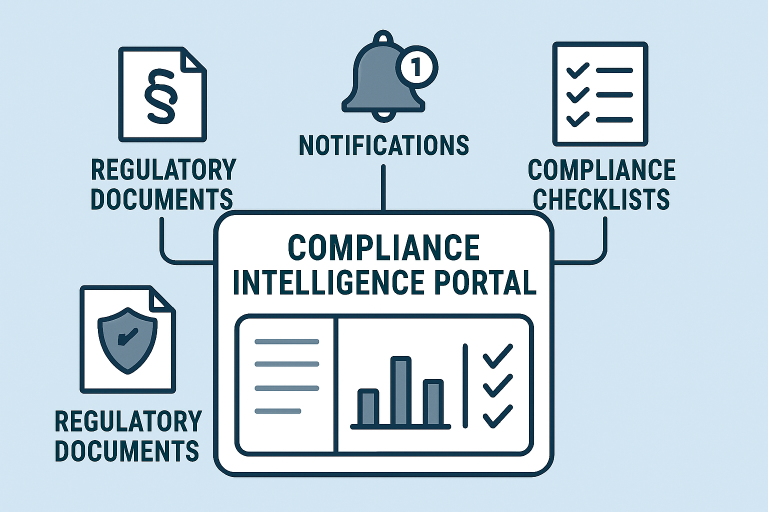
A major challenge for many organizations is tracking and managing diverse regulatory requirements from various sources. Standards can originate from governmental agencies, industry groups, or global governing bodies, each with its own nuances. SCIPs solve this by consolidating all critical standards and policies onto a single platform. By bringing together guidelines, statutes, and best practice protocols in one place, compliance professionals no longer need to rely on scattered documents or outdated spreadsheets. This centralization not only simplifies the search for regulatory details but also ensures that data is always synchronized and available to relevant stakeholders. Teams benefit from an authoritative, up-to-date knowledge base that dramatically lowers the risk of misinterpretation or oversight.
Real-Time Updates and Alerts
In a regulatory environment where change is constant, timely awareness can make the difference between compliance and violation. SCIPs deliver real-time updates and alerts when standards or regulations are revised or newly introduced. These automated notifications are triggered as soon as changes are detected, enabling instant responses and rapid adaptation of internal policies. Rapid notification enables compliance teams to assess the impact of changes and initiate necessary adjustments, minimizing disruption and ensuring consistent alignment with requirements. This timely communication reduces the administrative burden of manually tracking updates and frees staff to focus on planning rather than reacting.
Enhanced Risk Management
One of the most valuable features of a SCIP is its capacity to provide actionable insights around risk exposure. The system continually monitors and analyzes new laws and amendments, mapping changes to specific operational activities, business units, or geographic regions. By continuously analyzing regulatory updates and mapping them to business processes, these platforms enable organizations to identify potential vulnerabilities. This proactive risk management supports early detection of compliance gaps and enables the implementation of controls that mitigate the risk of incurring legal or financial penalties. By leveraging predictive analytics, companies can anticipate potential trouble spots and prioritize remedial action before issues escalate.
Improved Decision-Making
Data-driven decision-making is at the core of modern compliance strategies. SCIPs provide detailed, up-to-date regulatory insights that inform business choices on everything from product launches to site expansions. With clear, accessible information, leaders can confidently align company operations with compliance demands, promote accountability, and foster a culture of operational excellence throughout the organization. This rich data environment enables compliance officers and executives alike to quickly assess risks, measure performance, and make adjustments that align with both policy and business goals. Well-informed decisions reduce uncertainty and help organizations respond innovatively to compliance challenges.
Increased Operational Efficiency
Manual compliance monitoring and reporting drain valuable resources and introduce risks of inaccuracy. With a SCIP, much of the repetitive, time-consuming work associated with regulatory compliance is automated through workflows. Intelligent automation within a SCIP dramatically enhances operational efficiency. These solutions standardize compliance tasks, automate recurring documentation, and provide dashboards that clarify emerging trends or issues. Data entry, document versioning, and audit preparation all become faster and more reliable. As a result, team members can redirect their focus to higher-value strategic projects instead of manual oversight. This boost to productivity is particularly valuable for growing organizations or those facing increasing regulatory pressure.
Audit-Ready Documentation
Regulatory audits require timely, accurate, and comprehensive documentation. The stakes are high, not only for potential fines but also for reputational standing and future regulatory engagement. SCIPs offer robust document management capabilities, enabling seamless generation, organization, and retrieval of compliance records. Teams can easily produce evidence of compliance for specific standards, generate audit trails, and demonstrate corrective actions when necessary. This ensures that during internal or external audits, organizations can demonstrate their regulatory readiness and transparency with ease. Well-organized documentation makes every stage of the audit less stressful and positions the company as a reliable, compliant partner in the eyes of regulators and clients alike.
Scalability and Adaptability
As companies expand or enter new markets, their compliance obligations often become more complex. The ability to adapt quickly is essential for organizations facing mergers, new business models, or the addition of new products and services. Modern SCIPs are designed for scalability, seamlessly integrating new regulations, business units, or geographic territories as needed. This adaptability ensures continuous compliance support regardless of organizational size or industry changes. With modular architectures and customizable workflows, SCIPs facilitate smooth regulatory onboarding processes and ongoing oversight. A scalable compliance system prepares businesses to address emerging risks and seize new opportunities in global markets.
Competitive Advantage
Proactively managing compliance strengthens an organization’s market position. Customers, partners, and regulators appreciate clear evidence of diligent regulatory adherence. Making compliance visible becomes a strategic marketing advantage, building credibility with clients and aligning with industry best practices. Companies that demonstrate consistent compliance gain a reputation for trustworthiness and reliability, a powerful differentiator in competitive markets. Beyond avoiding penalties, an agile response to regulatory expectations can unlock new business opportunities and improve overall corporate reputation. Strong compliance foundations help organizations compete for larger contracts and participate in highly regulated sectors, opening doors that would otherwise remain closed.
Conclusion
Achieving regulatory readiness in today’s dynamic environment requires more than just awareness; it demands systematic, ongoing engagement with evolving standards and regulations. By adopting a Standards Compliance Intelligence Portal, organizations centralize their compliance efforts, stay informed of changes, mitigate risks, and operate efficiently at scale. In doing so, they not only prevent costly mistakes but also position themselves as leaders in compliance excellence and business integrity. Investing in a SCIP enables businesses to navigate complexity with confidence, earn stakeholder trust, and build a future-proof approach to governance and growth.

MOBI ROLLER is a tech enthusiast with a background in technology. He writes about the latest trends, tools, and innovations in the tech world, sharing insights based on both knowledge and experience.