
Uterine fibroids affect a large number of women during their reproductive years and often cause heavy bleeding, pelvic pain, pressure symptoms, and fertility concerns. Because awareness and diagnostics have improved, uterine fibroids treatment now focuses on effective symptom relief, fertility preservation, and faster recovery. Doctors in Pakistan increasingly rely on evidence based protocols, modern imaging, and individualized care. As a result, women today can access safer options, improved outcomes, and better quality of life through timely intervention and informed decision making.
Understanding Uterine Fibroids
Uterine fibroids are non cancerous growths that develop from the muscular wall of the uterus. Hormonal factors, particularly estrogen and progesterone, influence their growth. Genetics, age, and lifestyle factors also play a role. Many women experience no symptoms, while others face heavy menstrual bleeding, anemia, frequent urination, back pain, or difficulty conceiving. Therefore, early diagnosis helps doctors select the most appropriate uterine fibroids treatment and prevent complications.
Why Treatment Has Evolved
Previously, hysterectomy dominated fibroid care, especially in severe cases. However, women increasingly seek uterus sparing solutions that maintain fertility and hormonal balance. Medical research has expanded rapidly, and clinicians now focus on symptom severity, fibroid size, location, and patient goals. Consequently, treatment strategies now combine medical therapy, image guided procedures, and minimally invasive surgery. This shift has transformed access to non-surgical fibroid treatment and reduced recovery times significantly.
Diagnostic Advances Supporting Better Care
Accurate diagnosis forms the foundation of successful fibroids and adenomyosis diagnosis and effective uterine fibroids treatment. Ultrasound remains the first line investigation due to affordability and availability across Pakistan. At the same time, MRI provides precise mapping of fibroid size and location when complex cases require advanced planning. Blood tests also help assess anemia and hormonal status. Together, these tools allow clinicians to recommend safer and more targeted interventions.
Medical Management and Hormonal Therapies
Doctors often recommend medical therapy for mild to moderate symptoms. Hormonal medications regulate menstrual bleeding and reduce pain. Gonadotropin releasing hormone agonists temporarily shrink fibroids and correct anemia before procedures. Recently, selective progesterone receptor modulators have gained attention because they reduce bleeding while preserving bone density. These options contribute significantly to non-surgical fibroid treatment, especially for women nearing menopause or those who prefer conservative care.
New Oral Medications and Targeted Drugs
Pharmaceutical research has introduced newer oral agents that directly target hormonal pathways involved in fibroid growth. These drugs control heavy bleeding and improve quality of life without surgery. For many patients, this approach represents a new treatment for fibroids without surgery that fits well into daily routines. Doctors in urban centers of Pakistan have started offering these medications under strict medical supervision to ensure safety and effectiveness.
Minimally Invasive Image Guided Procedures
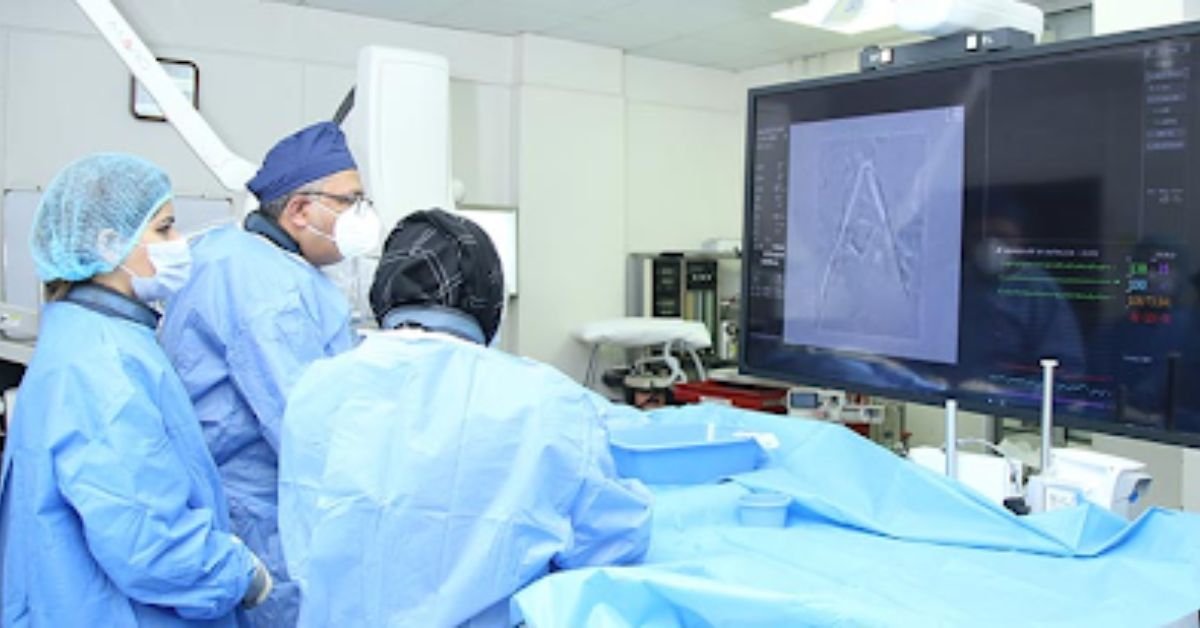
Image guided techniques have transformed modern uterine fibroids treatment. Uterine fibroid embolization (UFE) reduces blood supply to fibroids, causing them to shrink gradually. This method avoids large incisions and allows faster return to normal activities. Focused ultrasound therapy uses high intensity sound waves to destroy fibroid tissue without surgical cuts. Both options provide reliable symptom control and represent advanced non-surgical fibroid treatment methods for selected patients.
Laparoscopic and Hysteroscopic Surgery
When symptoms persist or fibroids interfere with fertility, minimally invasive surgery offers excellent results. Laparoscopic myomectomy removes fibroids through small incisions and preserves the uterus. Hysteroscopic myomectomy treats fibroids inside the uterine cavity using a vaginal approach. These techniques shorten hospital stay and reduce complications. Many specialists consider them among the best treatment for fibroids for women who wish to conceive in the future.
Fertility Focused Care
Fibroids can affect implantation and pregnancy outcomes. Therefore, gynecologists in Pakistan increasingly collaborate with fertility specialists. They evaluate fibroid type, size, and location before recommending treatment. Tailored surgical or medical approaches improve pregnancy rates while minimizing risks. Such coordination strengthens personalized treatment plans for fibroids and supports long term reproductive health.
Personalized Decision Making in Clinical Practice
No single option suits every patient. Doctors now emphasize shared decision making, which considers age, symptoms, fertility goals, medical history, and access to facilities. This approach ensures personalized treatment plans for fibroids that balance effectiveness and safety. By aligning therapy with patient priorities, clinicians improve satisfaction and adherence while reducing unnecessary interventions.
Cost and Accessibility in Pakistan
Healthcare access varies across regions in Pakistan. Public hospitals offer basic diagnostics and surgery at lower cost, while private centers provide advanced imaging and newer therapies. Doctors often adjust uterine fibroids treatment choices based on affordability and availability. Importantly, awareness campaigns and training programs continue to expand access to modern care in secondary and tertiary centers.
Lifestyle and Supportive Measures
While medical care remains essential, lifestyle measures support symptom control. Iron rich diets help manage anemia, while regular physical activity improves overall health. Stress management and routine follow ups also play an important role. Although lifestyle changes cannot replace the best treatment for fibroids, they enhance overall outcomes and recovery.
Future Directions and Research
Ongoing research focuses on molecular pathways and genetic markers that drive fibroid growth. Scientists aim to develop highly targeted drugs with minimal side effects. As innovation continues, women can expect more new treatment for fibroids without surgery options that deliver long lasting relief. These advances promise further improvements in safety, accessibility, and effectiveness.
Conclusion
Advances in diagnostics, medications, and minimally invasive techniques have redefined uterine fibroids treatment. Women in Pakistan now benefit from safer options, faster recovery, and fertility preserving care. Through accurate diagnosis, evidence based practice, and personalized treatment plans for fibroids, clinicians deliver meaningful improvements in women’s health and well-being.
Frequently Asked Questions
What is the safest uterine fibroids treatment available today?
Safety depends on symptoms, fibroid characteristics, and patient goals. Medical therapy and minimally invasive procedures often provide safe and effective outcomes under specialist care.
Can non-surgical fibroid treatment control heavy bleeding effectively?
Yes. Hormonal medications and image guided procedures significantly reduce bleeding for many women and improve quality of life.
Which option qualifies as the best treatment for fibroids?
The best option varies by individual. Doctors consider size, location, symptoms, and fertility goals before recommending therapy.
Do personalized treatment plans for fibroids improve outcomes?
Yes. Individualized care aligns treatment with patient needs, which leads to better symptom control and higher satisfaction.
Is there a new treatment for fibroids without surgery available in Pakistan?
Several newer oral medications and precision guided endovascular treatments are available in major cities under specialist supervision.

“In a world of instant takes and AI-generated noise, John Authers writes like a human. His words carry weight—not just from knowledge, but from care. Readers don’t come to him for headlines; they come for meaning. He doesn’t just explain what happened—he helps you understand why it matters. That’s what sets him apart.”
Вы сможете подобрать и традиционные, и современные ковры на любой вкус.
Ковры дешево
Каждый ковёр изготовлен с высоким качеством и прочностью, что гарантирует длительное использование.
You’ve outdone yourself with this one.
I learned so many new things from this article.
So many great insights packed into one post.
В каталоге представлены проверенные провайдеры и актуальные игровые новинки.
Pinco Casino
Платформа отличается стабильной работой и высоким уровнем безопасности.
Отличная возможность попробовать удачу в vodka казино http://offilux.com/2025/bbs/board.php?bo_table=free&wr_id=458
Латунный крепеж подходит для задач, где важны коррозионная стойкость и аккуратный внешний вид Такой вариант крепежа помогает сократить количество переделок и сохранить стабильный результат на объекте, крупный опт крепеж москва
Натуральные ароматные подарки ручной работы могут включать свечи, ароматические саше, диффузоры и декоративные композиции. Такие изделия помогают создать атмосферу уюта и расслабления в доме. Подробнее о подарках по ссылке, https://aroma-lavka.ru/
jetton identification
джеттон зеркало jetton fan
промокод jetton на фриспины
jetton официальное зеркало
jetton играть
Sufit napinany dobrze sprawdza się w domu i biurze. Taki wybór dobrze łączy funkcjonalność z estetycznym efektem. Dostępne są warianty PVC oraz tkaninowe, dlatego wiele osób decyduje się na taki montaż: https://sufity-napinane-wroclaw.pl/
Накрутка поведенческих факторов позволяет увеличить активность пользователей на сайте и усилить сигналы для поисковых систем. Это может способствовать росту позиций и увеличению трафика. Узнать больше можно по ссылке – поведенческие факторы яндекс накрутка
https://voshod-news.ru/news/94041-sbornaya-kanady-stala-chempionom-mira-po-hokkeyu-obygrav-v-finale-finlyandiyu.html
Поведенческие показатели позволяют оценить, насколько сайт удерживает внимание пользователей. Высокая вовлеченность положительно влияет на позиции ресурса: поведенческие факторы яндекс накрутка
I kept https://westace-casino-365.fr/ on my list because the slot categories, promo banners, and game access looked pretty organized. Note 1457.
https://morethanphysicalhealing.com/day-12-you-are-commissioned/
https://matras-promtex.ru/