
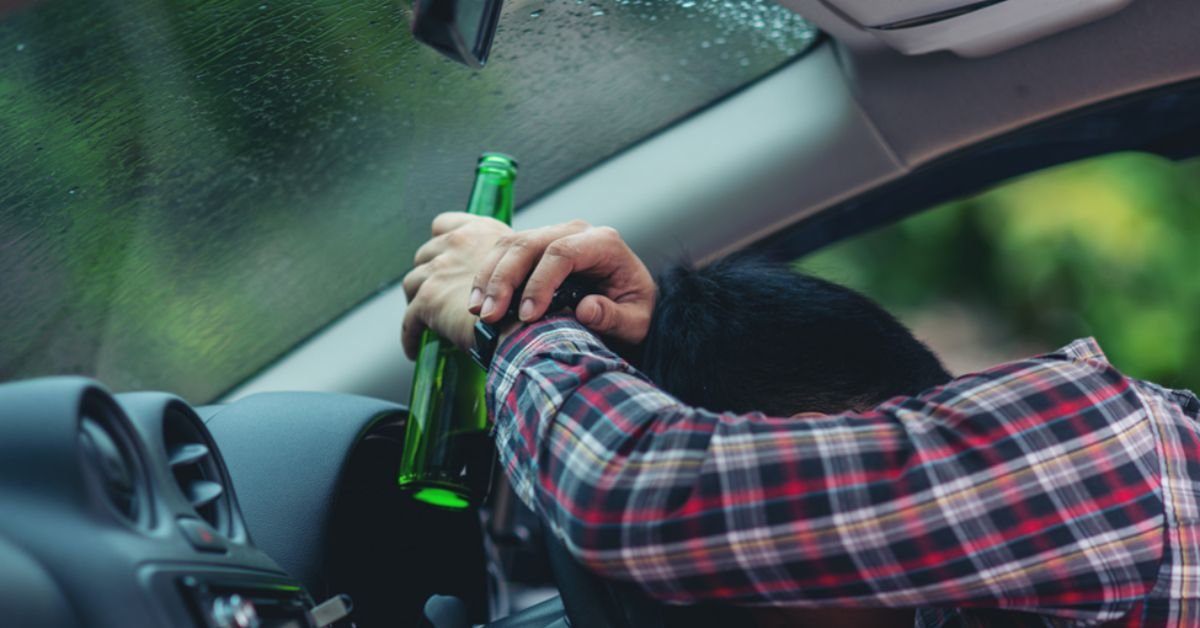
Drunk driving doesn’t get less deadly just because the warnings are everywhere. Rideshare apps sit on every smartphone, campaigns run every holiday season, and the numbers still refuse to drop. The core problem isn’t lack of information—it’s that alcohol weakens the judgment people need to realize they shouldn’t be driving.
What makes this hard to solve is that no two places deal with it the same way. Houston handles sheer volume—a city where alcohol‑impaired collisions stack up year after year. Chicago and Atlanta face similar pressure. Step outside those metros, and the problem shifts. A county with three officers, hundreds of miles of roadway, and long unlit stretches becomes its own danger zone when someone drives home after drinking.
A data study on alcohol‑related fatal crashes in the United States breaks down where these incidents cluster and what makes them so dangerous.
How Bad Is the Current Death Toll?
In 2022, alcohol‑impaired driving killed 13,524 people, according to NHTSA’s impaired‑driving data. That’s nearly a third of all road deaths. Someone died in an impaired‑driving crash about every 39 minutes—not just on weekends, but all year long.
NHTSA data also shows that many drivers involved in fatal crashes had high BAC levels, often far above the legal limit. These weren’t borderline cases—many involved drivers well past the point where safe driving was possible.
What Does Drunk Driving Actually Cost?
The Centers for Disease Control and Prevention estimates that alcohol‑related crashes cost the United States over $120 billion annually. That includes emergency response, medical care, legal costs, and lost productivity.
A DUI conviction reshapes someone’s life in ways they rarely expect. The license goes first. Then, insurance—some carriers drop the driver entirely, while others raise rates two or three times higher. Employers run background checks. So do landlords. Years later, people are still explaining to hiring managers what happened one night.
Why Haven’t Tougher Penalties Fixed the Problem?
Alcohol distorts judgment, so impaired drivers genuinely believe they’re capable of driving safely. That’s the trap—the impairment hides itself. About one in three people arrested for DUI has a prior offense. And in rural areas with no late‑night transportation options, enforcement alone can’t solve the problem.
Steps That Actually Help
- Lock in your sober ride before the first drink.
- If a driver ahead is drifting between lanes, pull over and call 911.
- Support ignition‑interlock laws—these devices require a breath test before a car starts and have reduced repeat offenses.
- Take the keys from a friend who insists they’re fine.
- Push local governments to fund checkpoints where crash data shows the worst hotspots.
Key Takeaways
- 13,524 people died in alcohol‑impaired crashes in 2022—about one every 39 minutes.
- Nearly one in three traffic deaths involved an impaired driver.
- Alcohol‑related crashes cost the US over $120 billion annually.
- Many drivers in fatal crashes had high BAC levels, well above .08.
- Around a third of DUI arrests involve someone with a prior offense.
- Cities and rural counties both face drunk‑driving problems—just different versions.
- Fatalities have risen in recent years despite stricter laws.
