
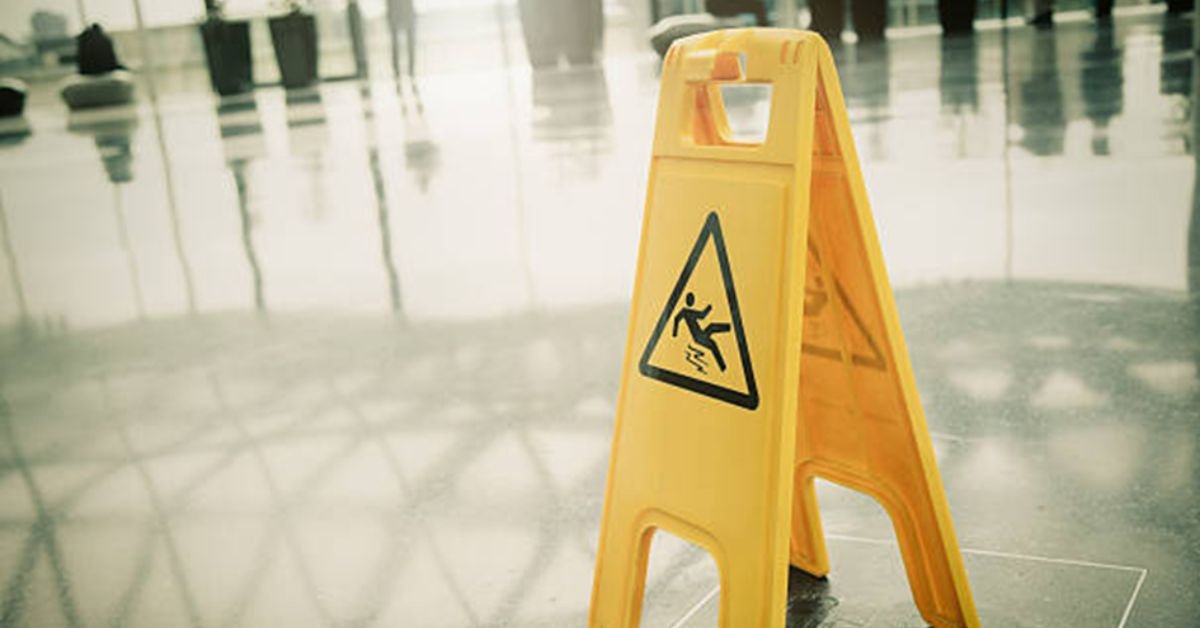
Property owners are responsible for slip and fall hazards because they have a legal duty to keep their premises reasonably safe. When they fail to fix dangerous conditions or warn visitors, they can be held liable for injuries. This rule applies to stores, apartment buildings, offices, and even private homes in certain situations.
Cincinnati, Ohio, is located along the Ohio River in Hamilton County and is one of the largest cities in the state. The city features a mix of historic neighborhoods, commercial districts, retail centers, and busy pedestrian areas that see steady foot traffic throughout the year. With changing seasonal weather, including rain, snow, and ice, slip and fall risks can arise on sidewalks, parking lots, and inside businesses. Firms such as the Monge & Associates Cincinnati law firm often handle these types of premises liability claims.
Slip and fall cases fall under an area of law called premises liability. The basic idea is simple: if you invite people onto your property, you must take reasonable steps to protect them from harm. When owners ignore hazards, they may have to pay for medical bills, lost wages, and other damages.
Understanding why this responsibility exists helps injured people know their rights.
The Legal Duty of Care
First and most important, property owners owe a duty of care to visitors. This means they must maintain safe conditions and fix known dangers within a reasonable time.
This duty usually includes:
- Regular inspections of the property.
- Fixing broken flooring or loose tiles.
- Cleaning spills quickly.
- Repairing damaged handrails.
- Providing proper lighting in walkways.
If an owner knew or should have known about a hazard and did nothing, that can lead to legal responsibility.
However, not every accident automatically leads to liability. The key issue is whether the owner acted reasonably.
Types of Slip and Fall Hazards
To understand responsibility, it helps to look at common hazards. Slip and fall accidents often happen because of preventable dangers.
Examples include:
- Wet floors without warning signs
- Icy sidewalks or parking lots
- Uneven pavement
- Torn carpets
- Loose wires or cluttered walkways
- Poor lighting in stairwells
When these hazards are left unattended, they create unsafe conditions. Because property owners control the space, the law places responsibility on them to address these risks.
Different Types of Visitors
Next, liability can depend on the type of visitor. The law generally recognizes three main categories:
- Invitees (customers in a store)
- Licensees (social guests)
- Trespassers
Property owners owe the highest duty of care to invitees. For example, a grocery store must regularly inspect aisles for spills because customers are invited there for business purposes.
For social guests, the owner must warn about known dangers. For trespassers, the duty is lower, but owners still cannot intentionally cause harm.
Understanding this difference helps explain why businesses are often held responsible in slip and fall cases.
The Role of Notice
Another key factor is notice. The injured person must usually show that the property owner knew or should have known about the hazard.
There are two types of notice:
- Actual notice: The owner was directly aware of the danger.
- Constructive notice: The hazard existed long enough that the owner should have discovered it through regular inspection.
For example, if a spill sits on a store floor for hours without cleanup, that may show constructive notice.
Without proof of notice, it can be harder to win a claim.
Damages in Slip and Fall Cases
If a property owner is found responsible, the injured person may recover damages. These can include:
- Medical expenses
- Physical therapy costs
- Lost income
- Pain and suffering
- Future medical care
Serious falls can lead to broken bones, head injuries, or back problems. The financial impact can be heavy, especially if the injury affects long-term health.
Because of this, holding negligent property owners accountable is important.
Why Responsibility Matters
Finally, property owner responsibility promotes safety. When owners know they can be held liable, they are more likely to:
- Inspect properties regularly
- Fix hazards quickly
- Train employees properly
- Post warning signs
This helps prevent future injuries and protects the public.
Slip and fall cases are not about blaming someone for an honest mistake. They are about ensuring reasonable safety standards are followed.
Final Thoughts
Property owners are responsible for slip and fall hazards because they control the property and have a duty to keep it safe. When they fail to inspect, repair, or warn about dangers, they may be held liable for injuries. From wet floors to icy sidewalks, many hazards are preventable with proper care.
Understanding these rules can help injured people know when they may have a valid claim.
Key Takeaways
- Property owners have a legal duty to keep premises reasonably safe.
- Common hazards include wet floors, uneven pavement, and poor lighting.
- Liability often depends on the type of visitor.
- The injured person must usually prove the owner had notice of the hazard.
- Victims may recover medical costs, lost wages, and pain and suffering.
- Holding owners responsible helps improve overall safety.
CLICK HERE FOR MORE BLOG POSTS
