

Key Takeaways
- PR connects organizations and the public through accessible, persuasive communication about policy goals.
- Strategically designed PR campaigns can mobilize public support and influence legislators.
- Trust, credibility, and authenticity in PR efforts are vital for effective advocacy.
Public relations (PR) serves as a linchpin in successful policy and advocacy initiatives. More than simply conveying information, PR involves shaping public discourse, aligning stakeholders, and navigating the complex relationships between organizations, lawmakers, and the wider community. By crafting clear, persuasive narratives and building strong networks, PR professionals guide organizations as they strive to shape public policy and foster change. The careful coordination of outreach efforts can turn even the most complicated issues into stories that inspire and mobilize. As organizations seek pathways to amplify their voices in policymaking spaces, turning to specialized expertise, such as PR firms in Maryland, can help ensure that important messages reach intended audiences effectively and credibly.
Advocacy is a dynamic process, and effective communication can lead to significant progress. Public opinion often influences policy changes, which makes it essential for organizations to engage with their communities. Public relations (PR) campaigns simplify complex policy issues into compelling narratives, allowing advocates to gather support for important causes. By translating technical language into accessible information, PR professionals encourage public dialogue and action.
The Role of PR in Policy Communication
The document discusses the essential role of public relations (PR) in enhancing policy communication amidst the complexities of policymaking. It notes that information can often be misunderstood or overlooked by the public due to its technical nature. PR professionals address this by simplifying policy content into digestible messages that are accessible and engaging to the public and media, especially for policies that affect daily life, such as health directives or social services. The example provided highlights how PR practitioners help convey critical health-related information during events like a pandemic, transforming complex legal language into compelling narratives that promote understanding and compliance.
Mobilizing Public Support Through PR
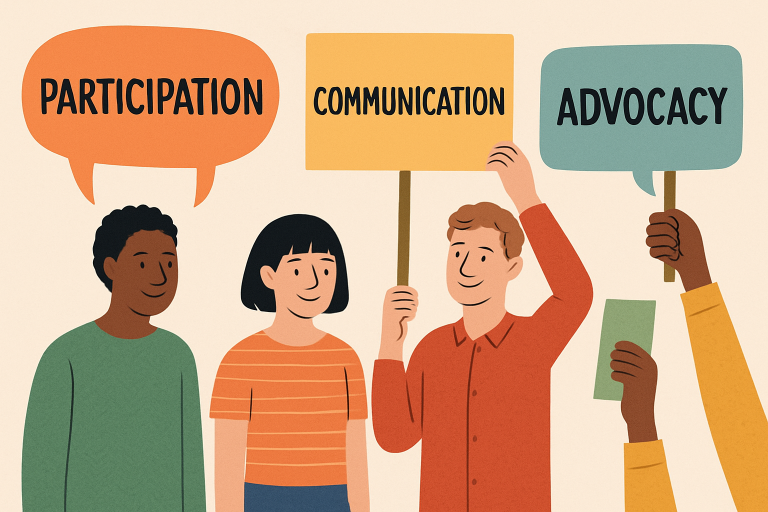
Strategic public relations (PR) is vital to advocacy campaigns, as it shapes public opinion and garners support. PR strategies involve pinpointing key audiences, leveraging grassroots networks, and fostering community dialogue through storytelling, event management, and digital marketing to motivate collective action. Successful initiatives do more than just raise awareness; they turn public enthusiasm into tangible advocacy efforts such as petitions and community involvement. Ultimately, effective PR fosters a sense of shared responsibility and helps build lasting coalitions, driving important political and cultural transformations.
Integrating PR with Employee Advocacy
Modern advocacy leverages not just organizational spokespeople, but also employees as authentic ambassadors. These internal advocates bring a human face to policy issues, helping organizations reach audiences that may be skeptical of traditional PR tactics. Through coordinated PR and employee advocacy programs, organizations enliven their policy messages and extend their influence. Employees naturally lend credibility because they offer genuine, relatable perspectives. Companies that blend internal advocacy with external PR see increased visibility and greater engagement with communications efforts. Training and empowering staff to share approved content or personal experiences can help organizations speak with one voice. This unified approach ensures that every stakeholder, from leadership to frontline staff, reinforces the same core message. Ultimately, integrating employee advocacy into broader PR strategies helps organizations project authenticity and foster trust at every level.
Building Trust and Credibility
Trust is the foundation of all advocacy efforts. Stakeholders, whether voters, policymakers, or community leaders, must believe in the authenticity and motives of both the message and the messenger. Without public trust, even the best-resourced campaigns risk falling flat or facing intense opposition. PR strategies rooted in transparency, factuality, and openness foster this trust, enabling organizations to weather criticism and opposition. Being responsive to public concerns, admitting mistakes, and providing accurate, timely information all contribute to establishing a reliable reputation. Bodies like the Public Relations Society of America underscore the importance of credibility in policy influence, as public trust can sway even entrenched political positions.
Challenges in Advocacy Communications
The evolving media landscape presents significant challenges for advocacy organizations, including misinformation, fragmented news consumption, and diminishing public trust. PR professionals must innovate to counter negative narratives, especially when facing limited government resources and heightened public skepticism. The rapid feedback loop of social media amplifies the impact of mistakes, demanding resilience and adaptability from PR teams. Continuous evaluation of communication tactics and audience feedback is essential for effective advocacy. Collaborating with trusted news sources can help organizations build credibility and navigate these challenges effectively.
Conclusion
Public relations stands at the heart of policy and advocacy work, equipping organizations with the expertise, tools, and credibility needed to navigate ever-changing societal challenges. A robust PR strategy is not just a supplement but a necessity for advocates who aspire to make a meaningful difference in the policy landscape. Strategic PR empowers advocacy groups to communicate consistently, drive public support, and build trust among stakeholders. It transforms complex policy conversations into actionable public dialogue, anchoring efforts in facts and forging lasting partnerships across sectors. In a world where opinions and policy outcomes are shaped by information, investing in expert PR is essential to achieving meaningful impact and driving long-term change.

MOBI ROLLER is a tech enthusiast with a background in technology. He writes about the latest trends, tools, and innovations in the tech world, sharing insights based on both knowledge and experience.