
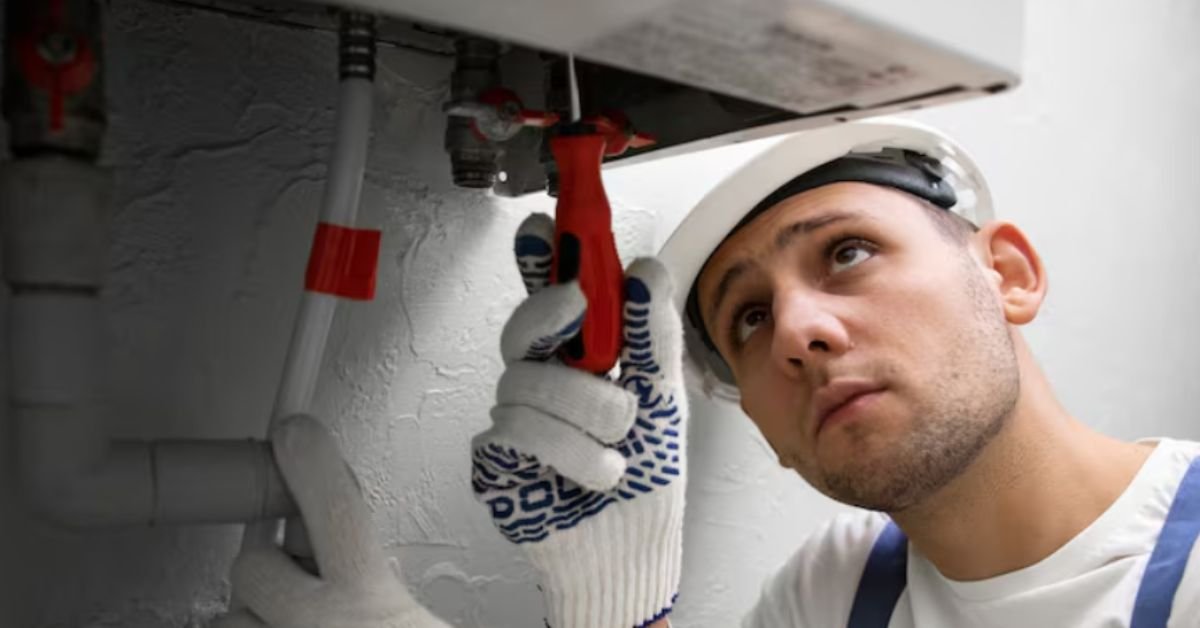
When winter arrives and temperatures drop, your furnace becomes the unsung hero of your home. It works tirelessly in the background, keeping your family warm and comfortable. Yet, like any complex machine, it requires regular attention to perform at its best. Neglecting your heating system can lead to inefficient operation, higher energy bills, and even unexpected breakdowns in the middle of a cold snap.
Regular furnace maintenance is about more than just preventing emergencies; it is an investment in your home’s safety and efficiency. By staying proactive, you can extend the lifespan of your unit and ensure the air your family breathes is clean and healthy. In this guide, we will explore the critical benefits of routine check-ups, what a proper maintenance schedule looks like, and why trusting experts like Elevation Mechanical can make all the difference.
The Hidden Costs of Skipping Maintenance
Many homeowners adopt an “if it ain’t broke, don’t fix it” mentality with their heating systems. While this might seem like a way to save money in the short term, skipping annual tune-ups often leads to significantly higher costs down the road.
Reduced Energy Efficiency
A neglected furnace has to work harder to produce the same amount of heat. Dust and debris accumulate on internal components like the blower motor and heat exchanger, creating friction and resistance. This forces the system to run longer cycles to reach your thermostat’s set temperature. The result is a steady increase in your monthly energy bills. Routine maintenance ensures that all parts are clean and lubricated, allowing your system to run as efficiently as possible.
Expensive Emergency Repairs
Small issues often start as minor annoyances—a strange noise, a faint smell, or uneven heating. Without a professional inspection, these minor problems can escalate into major mechanical failures. Replacing a cracked heat exchanger or a burnt-out motor is far more expensive than the cost of an annual maintenance visit. Catching these issues early allows for affordable repairs before they turn into complete system shutdowns.
Shortened Equipment Lifespan
Furnaces are designed to last anywhere from 15 to 20 years, but that lifespan assumes regular care. When a system is forced to operate under stress due to dirt buildup or worn-out parts, it wears down faster. Homeowners who skip maintenance may find themselves needing to replace their entire heating unit years earlier than expected.
Safety First: Protecting Your Home from Hazards
Beyond financial savings, furnace maintenance plays a pivotal role in household safety. Gas and oil furnaces burn fuel to generate heat, a process that produces exhaust gases, including carbon monoxide (CO).
Carbon Monoxide Leaks
The heat exchanger is the component responsible for separating the combustion process from the air that circulates through your home. Over time, the constant expansion and contraction from heating cycles can cause cracks to form in the metal. If left undetected, these cracks can leak odorless, colorless carbon monoxide gas into your living spaces. During a professional inspection, technicians use specialized tools to check for cracks and test CO levels, ensuring your family is safe from this silent killer.
Fire Hazards
While rare, electrical issues or fuel leaks can pose fire risks. Loose wire connections, frayed electrical cords, or leaks in the gas line need to be identified and rectified immediately. A certified technician will inspect the burner assembly and ignition system to ensure safe operation.
What Does Professional Furnace Maintenance Include?
While changing your air filter is a crucial task you can do yourself, professional maintenance goes much deeper. A comprehensive tune-up involves a multi-point inspection and cleaning of the system’s internal components.
1. Cleaning the Blower and Burner
Technicians will thoroughly clean the blower assembly to ensure proper airflow. They also inspect and clean the burners to ensure efficient combustion. Soot and debris on the burners can lead to uneven heating and wasted fuel.
2. Inspecting the Heat Exchanger
As mentioned earlier, the heat exchanger is critical for safety. Experts will visually inspect this component for signs of corrosion, cracks, or separation.
3. Lubricating Moving Parts
Friction is the enemy of mechanical efficiency. Technicians will lubricate the blower motor bearings and other moving parts to reduce friction. This helps lower electricity usage and prevents overheating.
4. Testing Safety Controls
Modern furnaces are equipped with safety switches that shut the system down if dangerous conditions are detected (such as overheating or a blocked vent). A maintenance visit includes testing these safety controls to ensure they function correctly when needed.
5. Checking the Thermostat
Sometimes the issue isn’t the furnace itself, but the device controlling it. Technicians will calibrate your thermostat to ensure it is reading the indoor temperature accurately, preventing your system from overworking or short-cycling.
The Role of Elevation Mechanical
When it comes to keeping your home warm, you need a partner you can trust. Elevation Mechanical has built a reputation for thorough, reliable service. Unlike quick, surface-level inspections, their team digs deep to ensure every component of your heating system is functioning correctly.
Choosing a reputable provider means you get transparent pricing and honest assessments. If a part is nearing the end of its life, they will let you know without pressuring you into unnecessary upgrades. Their goal is to keep your existing system running smoothly for as long as possible.
DIY Maintenance Tasks for Homeowners
While you should leave the technical work to the pros, there are simple steps you can take to support your system’s performance between visits.
- Change Air Filters Regularly: This is the single most important thing a homeowner can do. A clogged filter restricts airflow, causing the furnace to overheat and shut down. Check your filter every 30 days and replace it at least every 90 days.
- Keep Vents Open: Ensure that all supply and return vents in your home are open and unblocked by furniture, rugs, or curtains. Blocked vents disrupt the pressure balance in the system.
- Clear the Area Around the Furnace: Your furnace needs room to breathe. Do not store boxes, cleaning supplies, or flammable materials near the unit.
- Check the Pilot Light: If you have an older furnace, check the pilot light occasionally. It should burn blue. A yellow or orange flame could indicate a combustion problem.
Frequently Asked Questions
How often should I schedule furnace maintenance?
Industry standards and manufacturers recommend scheduling professional maintenance once a year, ideally in the autumn before the heating season begins. This ensures your system is ready for the heavy workload of winter.
Can I just skip maintenance if my furnace is new?
Even new furnaces require maintenance. In fact, most manufacturer warranties require proof of annual professional maintenance to remain valid. Skipping it could void your warranty, leaving you to pay full price for any future repairs.
How long does a maintenance appointment take?
A standard tune-up typically takes between 1 to 2 hours, depending on the condition of the unit and accessibility.
Stay Warm and worry-free This Winter.
Furnace maintenance keeps your home a true sanctuary against the cold rather than a source of winter stress. Staying proactive protects your comfort, safeguards your budget from costly repairs, and reduces safety risks before they escalate. Waiting until the first freezing night often means emergency calls and unnecessary disruption, while a timely inspection ensures dependable performance all season long. From routine tune-ups to thorough safety evaluations, Elevation Mechanical helps prepare your heating system to handle whatever winter brings with confidence.
CLICK HERE FOR MORE BLOG POSTS
