
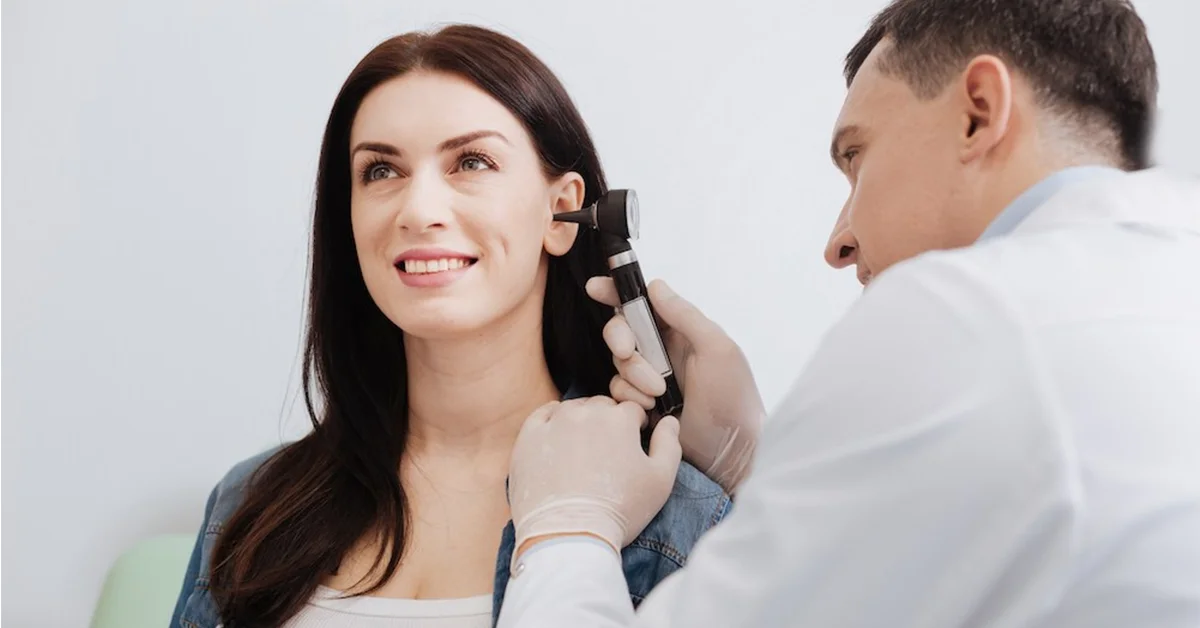
A lot of individuals consider hearing tests a one time thing; the test that you pay attention to when you feel there is an issue, and then, you forget. Nevertheless, hearing checkups should also be a regular check up just like the eye checkups or dental checkups. The same way that your vision and teeth need regular examination, your hearing health would also greatly improve when assessed by a professional regularly. The answer to this question is that with the help of regular checkups, you can keep your hearing functions in the best condition and avoid the development of complications without any notice.
Early Prevention of Hearing Loss
The hearing may be altered slowly with time, so sluggishly as a person may show no difference. Frequent hearing tests create a background and monitor how your hearing sensitivity varies at various frequencies. Through this longitudinal method, audiologists can be able to detect slight degradations before they seriously affect your ability to communicate and/or your quality of life. Early diagnosis is of great essence as it paves the way to timely treatment that may be taken to avert further degeneration. You may be in New York and seeking extensive auditory services or elsewhere, you can be sure that you will have the latest diagnostic tools and a qualified audiologist new york ny that will be able to check out your hearing and give you some preventive advice relative to your unique risk factors.
Hearing Aid Performance Optimization
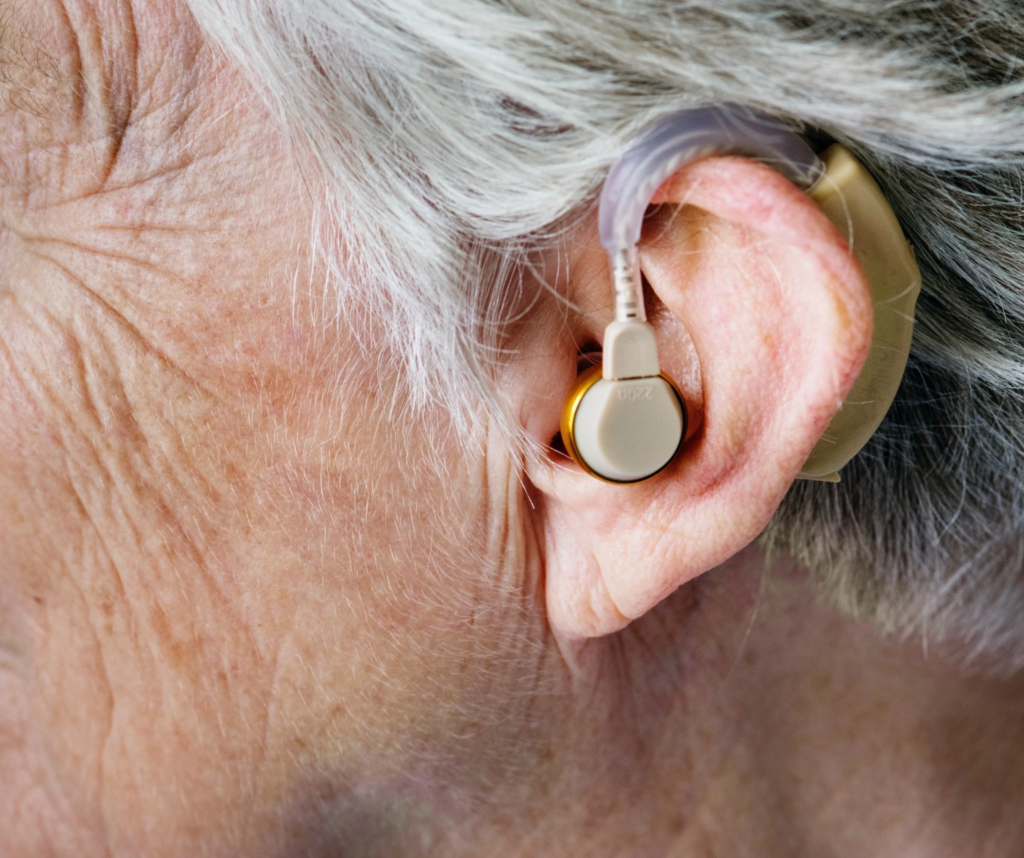
Even when you already use hearing aids, it is important that you have them checked on a regular basis to maintain the best performance. You might need reprogramming and fine-tuning of your hearing requirements so that they are in line with your current auditory profile. Moreover, audiologists are able to service your machines, renew the damaged parts, and make all machinery operational. Unless you maintain and adjust them on a regular basis, your hearing aids might not give you optimal service and thus, you will be frustrated and will tend to use them less. Professional-follow up visits are the ones that enable you to successfully cope with the adjustment issues and get used to the new listening situations that you find yourself in during the course of your life.
Monitoring Overall Health
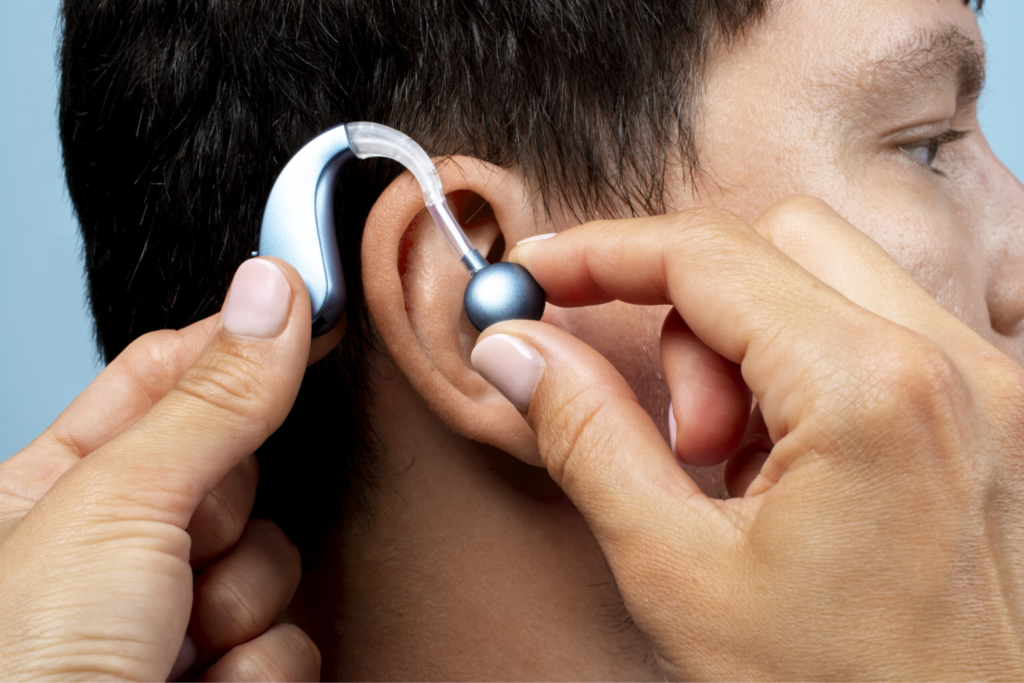
Listening to health tends to be a wider health issue. Hearing loss may indicate a medical complication, including cardiovascular disease, diabetes, or neural issues. Frequent hearing examination will enable audiologists to detect abnormal trends that may require medical attention. This preventive solution is in line with your wellbeing, as it helps to address your health problems in their initial phases, showing how auditory care is related to the rest of your health care management.
Preventing Complications
When untreated, hearing loss may result in such complications as social isolation, depression, deterioration of their mind and safety. These secondary effects can be avoided with the help of regular checkups that will make sure your hearing is well-managed and supported with proper solutions. In cases of hearing loss followed up and treated regularly, individuals enjoy more socially connected lives, are more cognitively stimulated and have superior quality of life.
Creating a Continuity of Care
The hearing check provides a continuous contact with your audiologist. It is the continuity that enables professionals to know your own hearing journey, preferences and lifestyle requirements. They get to know your communication problem areas and are able to make individual suggestions to new situations you face.
Controlling Your Hearing Health
Like you do not miss annual physical examinations, regular hearing checkups should also be part of your healthcare. Regardless of whether you are dealing with some degree of hearing impairment or just keeping your hearing in good shape, you should make sure that you are making an active investment in your long-term auditory health and that you are communicating better and more effectively throughout your life by scheduling appointments with an audiologist once or twice in a year.

Pinco Casino открывает мир азартных развлечений с удобной платформой.
Pinco Casino
Pinco Casino сочетает качество, безопасность и удобство.
Регистрация занимает всего пару минут https://egamersbox.com/cool/index.php?page=user&action=pub_profile&id=368458