
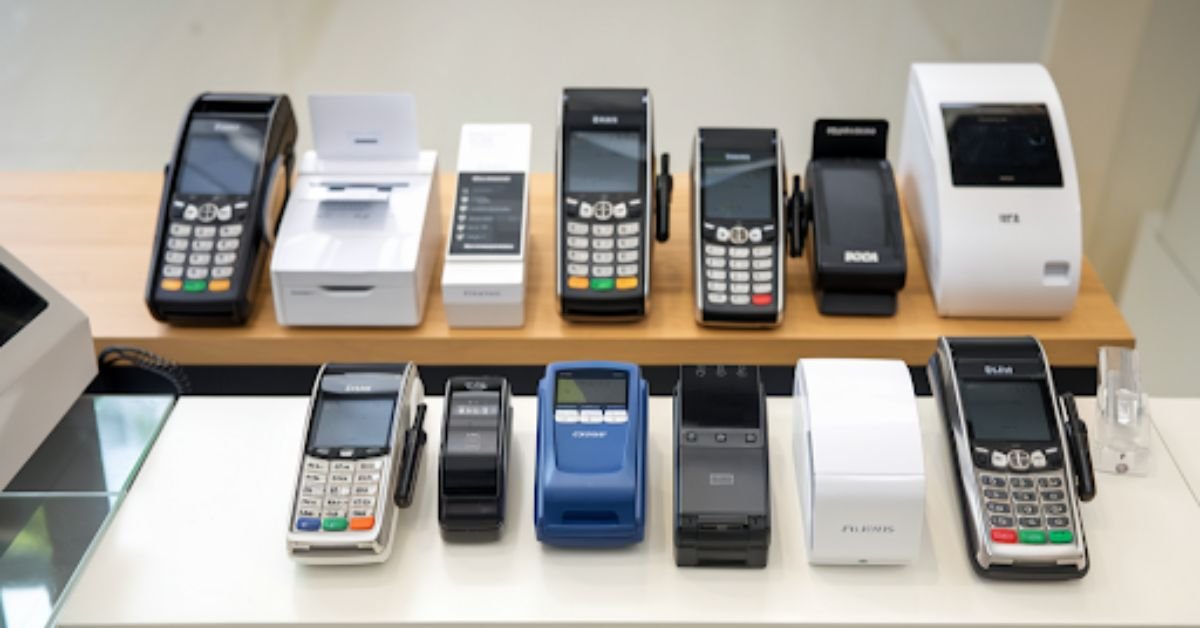
In retail, the checkout experience can make or break customer loyalty. Credit card terminals have evolved from simple transaction tools into sophisticated systems that shape how businesses operate, compete, and build trust. These devices don’t just process payments—they influence everything from queue times to data security, making them critical infrastructure for any modern retail operation.
From Manual Imprints to Instant Authorization
The journey of credit card processing reflects broader shifts in retail technology. Early systems relied on manual card imprints and phone authorizations, creating bottlenecks that frustrated customers and staff alike. The introduction of magnetic stripe readers in the 1970s marked the first major leap, enabling electronic authorization and cutting transaction times from minutes to seconds.
By the 1990s, dial-up terminals had become standard, but they still required dedicated phone lines and suffered from slow connection speeds. The real transformation came with internet-connected terminals and, later, EMV chip technology, which dramatically reduced fraud while maintaining speed. Today’s terminals support contactless payments, mobile wallets, and real-time inventory updates capabilities that seemed futuristic just a decade ago.
Choosing the Right Terminal for Your Business Model
Retailers face a growing array of terminal options, each designed for different operational needs. Understanding these distinctions helps businesses avoid costly mismatches between equipment and workflow:
- Countertop Terminals: These stationary units anchor traditional checkout lanes, offering reliability and robust feature sets including receipt printing and PIN entry. They excel in high-volume environments but lack the flexibility needed for tableside service or mobile sales.
- Portable Wireless Terminals: Connected via Wi-Fi or cellular networks, these devices enable payment acceptance anywhere in a store or at outdoor events. They’re essential for businesses with roaming staff or pop-up locations, though battery life and signal strength require careful management.
- Integrated POS Systems: These comprehensive platforms combine payment processing with inventory tracking, customer relationship management, and sales analytics. While they demand higher upfront investment and more complex setup, they eliminate data silos and provide actionable business intelligence.
The right choice depends on transaction volume, mobility requirements, and how deeply payment data needs to integrate with other business systems. A boutique with occasional sales has different needs than a high-traffic grocery store or a food truck operating across multiple locations.
Security Architecture That Protects Both Parties
Payment security isn’t just a technical concern it’s a trust issue that directly affects customer retention and brand reputation. Modern terminals employ multiple defensive layers to protect sensitive data throughout the transaction lifecycle.
End-to-end encryption ensures that card data becomes unreadable the moment it enters the terminal, remaining protected until it reaches the payment processor. EMV chip technology generates unique transaction codes that can’t be reused, making stolen data worthless to fraudsters. Tokenization takes this further by replacing actual card numbers with randomized tokens, so even a database breach exposes nothing valuable.
Compliance with PCI DSS standards isn’t optional it’s a baseline requirement that protects businesses from liability and customers from identity theft. Terminals that meet these standards undergo rigorous testing and regular updates to address emerging threats. Retailers who cut corners on security risk not just fines and lawsuits, but the lasting damage of customer distrust.
Evaluating Terminals Beyond the Price Tag
Selecting a credit card terminal requires looking past the initial purchase price to understand total cost of ownership and operational fit. Several factors deserve careful consideration:
- Transaction Fees and Processing Rates: Monthly costs often dwarf equipment expenses. Compare not just percentage rates but also per-transaction fees, batch fees, and any minimum processing requirements.
- Payment Method Flexibility: Ensure the terminal accepts chip cards, magnetic stripes, contactless payments, and mobile wallets. Customer payment preferences vary widely, and inability to accept preferred methods drives sales elsewhere.
- Integration Capabilities: Terminals should communicate seamlessly with existing point-of-sale software, accounting systems, and inventory management tools. Proprietary systems that don’t play well with others create operational headaches.
- Support and Warranty Terms: Equipment failures during peak hours cost more than just repair fees. Understand response times, replacement policies, and whether technical support is available when you actually need it.
- Scalability: Growing businesses need terminals that can handle increased volume and additional locations without requiring complete system overhauls.
For retailers planning to modernize their payment infrastructure, refurbished terminals and accessories can provide a cost-efficient upgrade path while preserving critical functionality and security compliance. Providers such as DCC Supply, alongside established platforms like Square, Clover, and Shopify, offer solutions that balance affordability with performance and reliability.
Where to Source Reliable Equipment
The source of your credit card terminal matters as much as the model itself. Counterfeit devices and gray-market equipment can introduce security vulnerabilities while voiding warranties and compliance certifications.
Authorized dealers provide genuine equipment with manufacturer support and clear upgrade paths. They can also advise on compatibility with specific payment processors and business software. Direct manufacturer purchases sometimes offer customization options and volume discounts, though they may require longer lead times.
Online marketplaces offer convenience and competitive pricing, but require careful vetting. Verify seller ratings, return policies, and whether equipment comes with proper certifications. Local electronics retailers allow hands-on evaluation and immediate availability, valuable for businesses that can’t afford shipping delays or compatibility surprises.
Regardless of source, confirm that terminals are unlocked or compatible with your chosen payment processor, include necessary cables and accessories, and come with documentation proving PCI compliance.
Emerging Technologies Reshaping Payment Processing
The payment terminal landscape continues to evolve rapidly, driven by consumer expectations and technological capabilities. Several trends are already reshaping how transactions occur:
- Biometric Authentication: Fingerprint and facial recognition are moving beyond smartphones into payment terminals, offering security that’s both stronger and more convenient than PINs.
- Cryptocurrency Integration: While still niche, some terminals now support digital currency payments, appealing to tech-forward customers and international transactions.
- AI-Powered Fraud Detection: Machine learning algorithms analyze transaction patterns in real-time, flagging suspicious activity before it completes.
- Unified Commerce Platforms: The line between online and in-store payments is blurring, with terminals that sync seamlessly with e-commerce systems and enable features like buy-online-pickup-in-store.
According to McKinsey’s global payments research, these innovations aren’t just adding convenience—they’re fundamentally changing customer expectations around payment speed, security, and flexibility. Retailers who lag behind risk appearing outdated, even if their products and service remain strong.
Optimizing Operations Through Strategic Terminal Deployment
Credit card terminals deliver maximum value when integrated thoughtfully into broader retail operations. Several strategies can amplify their impact:
Staff training makes the difference between smooth transactions and frustrated customers. Employees should understand not just how to process payments, but how to troubleshoot common issues, explain security features to concerned customers, and handle the edge cases that inevitably arise.
Regular maintenance prevents the small problems that escalate into major disruptions. Software updates patch security vulnerabilities and add features, while physical cleaning keeps card readers functioning reliably. Establishing relationships with technical support before emergencies occur ensures faster resolution when issues do arise.
Data integration transforms terminals from transaction processors into business intelligence tools. When payment data flows into inventory systems, retailers gain real-time visibility into product performance. Integration with customer databases enables personalized marketing and loyalty programs that drive repeat business.
