

Key Takeaways:
- Recognize the signs and symptoms of depression to offer timely support.
- Engage in open, non-judgmental communication to encourage sharing.
- Encourage professional help and assist with accessing resources.
- Promote healthy lifestyle choices and self-care practices.
- Be aware of suicide risk factors and know how to respond appropriately.
Table of Contents:
- Recognizing Depression
- Engaging in Open Communication
- Encouraging Professional Help
- Promoting Healthy Lifestyle Choices
- Being Aware of Suicide Risk
- Offering Practical Support
- Avoiding Stigmatizing Language
- Taking Care of Yourself
- Final Thoughts
Recognizing Depression
Depression is a complex mental health condition that affects millions of people worldwide. Recognizing its warning signs is the first step toward providing meaningful support. Symptoms can include ongoing sadness, irritability, withdrawal from social activities, loss of interest or pleasure in activities, and noticeable changes in appetite or sleep. If someone you care about shows these signs, reaching out empathetically can make a significant difference in their recovery journey. Opening up a conversation early helps create a supportive environment that encourages healing.
Many people may feel unsure of what to say or how to help when someone they care about is struggling. By educating yourself and others, you pave the way for understanding, patience, and actionable support. If you or someone you know is searching for professional mental health guidance, consider reaching out to a depression therapist. A depression therapist can provide tailored treatment, coping strategies, and ongoing support to help navigate the challenges of mental health recovery.
Engaging in Open Communication
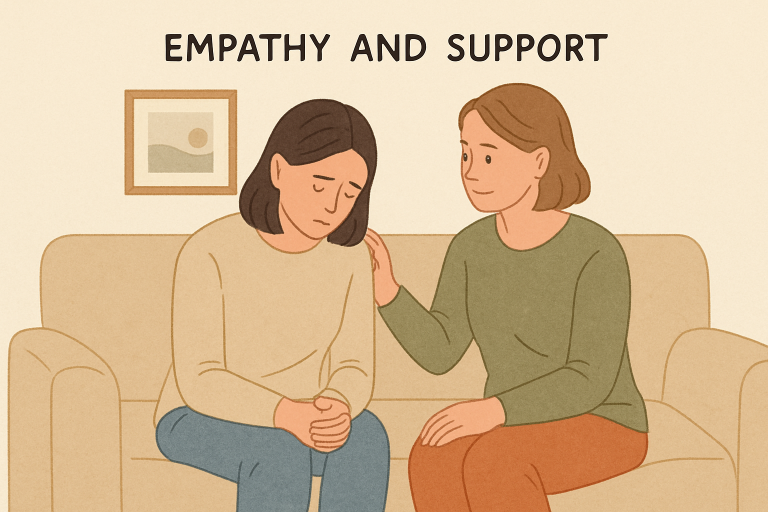
Encouraging transparent and open conversations is one of the most important steps in supporting a loved one with depression. Use gentle prompts and questions such as, “How have you been feeling lately?” or “Is there anything on your mind you want to talk about?” Avoid interrupting; instead, focus on active listening. This approach fosters trust and reduces the isolation and stigma that often accompany mental health conditions. It is essential not to rush solutions or judge their feelings. Empathy and validation can make a person feel heard and supported.
Active listening also means being present. Silence can be powerful, giving your loved one time to express themselves fully. Reassure them that it is okay to feel the way they do, and let them talk at their own pace.
Encouraging Professional Help
While your support is invaluable, professional intervention is crucial to recovery. Depression can affect thinking, judgment, and physical health, making it important to encourage seeking help from mental health professionals. Offer to help them research therapists, schedule appointments, or accompany them if they feel uneasy attending therapy alone. Normalize conversations about therapy and remind them that seeing a specialist is a sign of strength, not weakness.
Directing someone to appropriate resources, such as national mental health organizations or primary care physicians, can help bridge the gap between personal support and clinical care.
Promoting Healthy Lifestyle Choices
Lifestyle changes can make a positive impact on depression symptoms. Encourage your loved one to participate in regular physical activity, eat balanced meals, and prioritize sleep hygiene. Even small actions, such as taking a short walk or sharing a nutritious meal, can improve mood and energy levels over time. If possible, engage in these activities together to foster connection and provide extra motivation.
Keep in mind that motivation can be low for someone dealing with depression. Offer gentle reminders or invitations instead of instructions. Collaborative approaches, such as planning a healthy meal or taking exercise breaks together, can build trust and support progress.
Being Aware of Suicide Risk
Severe depression may bring thoughts of hopelessness or self-harm. Be vigilant for signs such as talking about death, expressing a lack of purpose, giving away possessions, or withdrawing completely. If your loved one expresses suicidal thoughts or plans, seek professional help immediately. Do not leave them alone, and contact emergency services or a suicide prevention hotline if necessary. Your swift action could be life-saving.
Offering Practical Support
Living with depression can make daily responsibilities daunting. Offering practical support, such as helping with chores, preparing meals, driving to appointments, or running errands, is a tangible way to ease their burden. Sometimes, simply keeping someone company while they tackle difficult tasks can make the situation feel less overwhelming.
Small Gestures Matter
Even minor acts of kindness, like sending a thoughtful message, picking up groceries, or sitting together in silence, can demonstrate care and alleviate feelings of isolation. Regularly check in to see if there are tasks you can assist with, and respect their wishes if they need space or want specific kinds of help.
Avoiding Stigmatizing Language
Words carry weight, especially in conversations about mental health. Avoid phrases such as “Just cheer up” or “It’s all in your head.” Instead, use supportive language like, “I’m here for you,” or “Your feelings are valid.” This kind of communication helps reduce stigma and fosters a safe environment for sharing. When in doubt, lead with compassion and empathy.
Choosing your words carefully and challenging myths about mental illness empowers both you and your loved one to break free from societal stigma and seek appropriate help.
Taking Care of Yourself
Supporting someone with depression can be emotionally exhausting. Prioritize your own mental and physical health to prevent burnout. Setting boundaries, seeking support from others, or consulting a counselor for yourself are proactive steps. Remember, taking care of your own wellbeing allows you to be a sustainable source of support for others. Balance your involvement and recharge when needed.
Final Thoughts
Supporting someone with depression requires a balance of empathy, patience, and practical assistance. Early recognition of symptoms, open communication, and encouraging professional help can significantly improve recovery outcomes. Small gestures of care, encouragement of healthy lifestyles, and vigilance in crisis situations make a meaningful difference. At the same time, maintaining your own well-being ensures you can provide sustainable support. Remember, seeking help both for your loved one and for yourself is a sign of strength and a vital part of fostering long-term mental health.

MOBI ROLLER is a tech enthusiast with a background in technology. He writes about the latest trends, tools, and innovations in the tech world, sharing insights based on both knowledge and experience.