
Table of Contents
- Understanding Electrical Hazards
- Preparing for Safe Repairs
- Using the Right Tools
- Turning Off the Power
- Avoiding Water and Electricity
- Knowing When to Call a Professional
- Regular Maintenance and Inspections
- Educating Household Members
- Conclusion
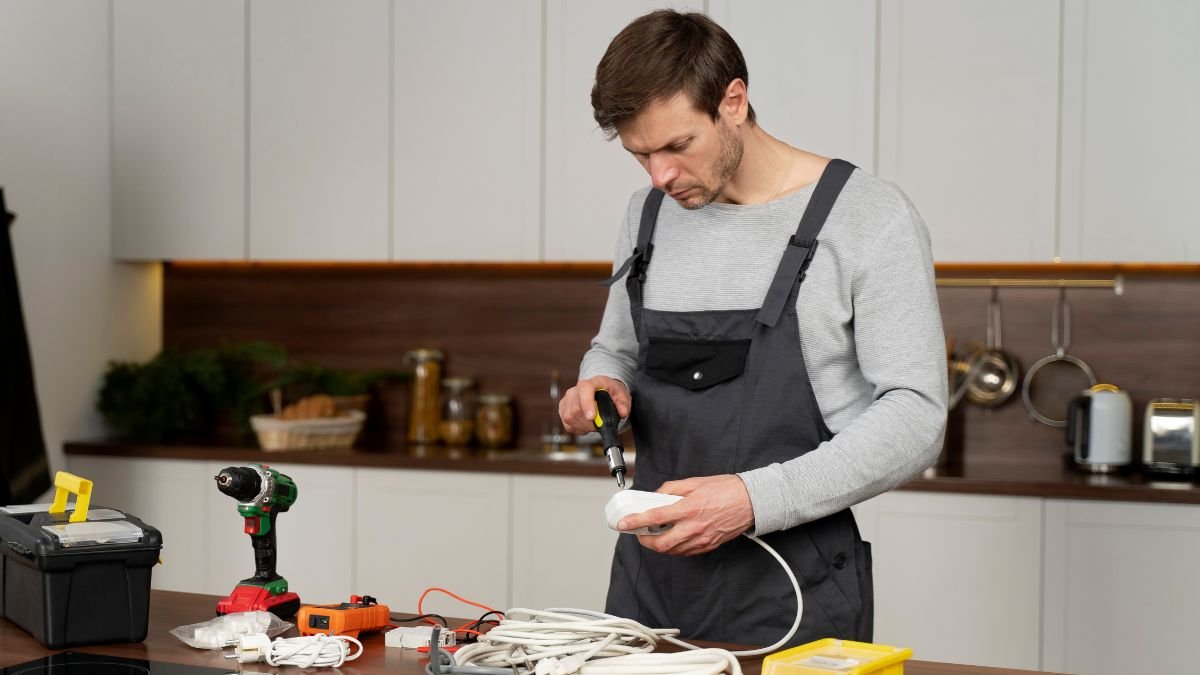
Electrical work can quickly become dangerous without proper precautions. Whether you are replacing an outlet or troubleshooting a circuit, understanding basic electrical safety helps prevent injuries and protect your property. Before attempting any home electrical repairs, it is wise to learn safety protocols and when to contact a top-rated electrician in Lake Wylie for help.
Homeowners often underestimate the risks of electrical repairs, especially when working with older wiring, in damp environments, or with unfamiliar tools. Failing to recognize hazards can result in shocks, burns, or even fires. This guide will help you stay safe while managing minor electrical jobs at home.
Another important consideration is proper ceiling fan installation. Installing ceiling fans poses specific electrical challenges and is a common DIY project. Taking the right safety steps is crucial for both installation and overall household comfort.
Understanding Electrical Hazards
Recognizing the most common signs of electrical hazards is the first layer of defense. If you detect burning odors near outlets or switches, notice flickering lights, or see warm or discolored outlets, these are clear warning signals. Buzzing sounds from fixtures also indicate an underlying problem. Addressing these signs quickly can prevent major accidents.
Noisy or oddly behaving switches and outlets often point to loose wiring or overloaded circuits. According to the National Safety Council, electrical failures are a leading cause of house fires. Always approach repairs with caution and never ignore warning signs.
Preparing for Safe Repairs
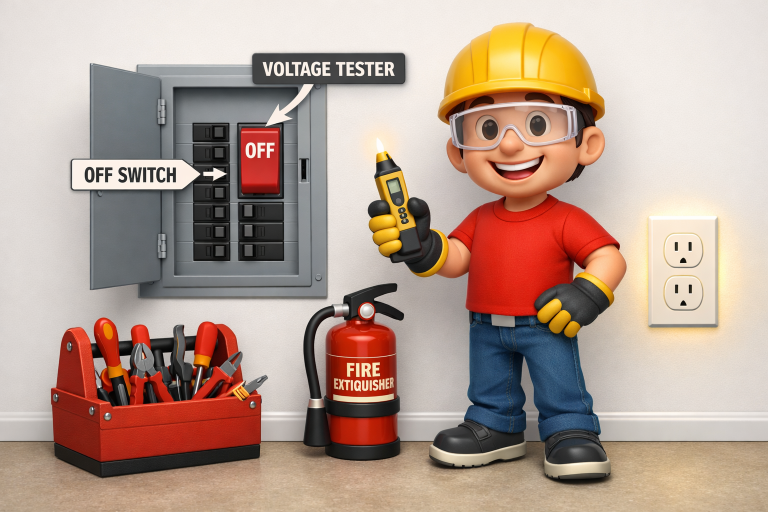
Before you begin, gather all necessary supplies and install safety barriers as needed. Wear rubber-soled shoes for insulation and select tools with insulated handles. Keep an appropriate fire extinguisher handy to address electrical fires, which differ from regular combustibles. Notify others in your house about the planned work for added safety.
Clear the workspace of clutter, pets, and non-essential people to minimize distractions. Ensure you have plenty of light. If you use a ladder, opt for a fiberglass or wooden model rather than a metal one, which conducts electricity and increases the risk of shock.
Using the Right Tools
High-quality, correctly rated tools can be the difference between safety and disaster. Always have a voltage tester on hand to verify the circuit is dead before starting work. Insulated screwdrivers and pliers help reduce the risk of accidental shocks. For tasks like stripping wires or installing new fixtures, invest in reputable brands, as they offer more accurate, safer performance over time.
Having the right tools is especially important for tasks like ceiling fan installation, where improper or makeshift tools can easily spark mishaps. Double-check that all tools are built for electrical applications, not just for general use.
Turning Off the Power
Always switch off the power at the main breaker panel. Even if you are just replacing a switch or an outlet, this single step can prevent life-threatening shocks. After turning off the breaker, use a voltage tester on the circuit to confirm it is fully de-energized. Never rely on just turning off a wall switch, as some wires may still be live in the box.
Label the circuit or post a note to prevent anyone from mistakenly turning the power back on during repairs. Identifying all circuits clearly in your panel also helps during emergencies.
Avoiding Water and Electricity
Electricity and water together dramatically increase risk. Make sure your hands are completely dry, and never work on electrical systems in wet locations. If you must handle repairs in a bathroom, basement, or kitchen, wait until the area is dry and free from leaks. If moisture persists near electrical components, call a professional immediately.
Water intrusion into outlets or wiring can create dangerous hidden shorts. If you need to tackle repairs after water damage, learn more about electrical safety best practices from the PBS Home Safety Guide.
Knowing When to Call a Professional
Some electrical situations demand expert assessment. Complex wiring, persistent tripping breakers, or any situation that feels beyond your understanding should prompt a call to a licensed electrician. Errors in these scenarios can affect your entire home’s safety. Always seek professional assistance for breaker panel upgrades, major appliance installations, or troubleshooting mysterious power losses.
Attempting to fix electrical issues without complete knowledge can increase the risk of fire or severe injury. A professional electrician offers both skill and insurance against accidental damage.
Regular Maintenance and Inspections
Performing regular checks helps catch potential dangers before they escalate. Examine all visible cords and plugs for fraying or damage, and avoid daisy-chaining power strips or overloading outlets. Test smoke and carbon monoxide detectors monthly. Installing ground fault circuit interrupters (GFCIs) in old outlets is an easy way to enhance safety in kitchens and bathrooms. Routine visual inspections can reveal risks such as corrosion, water stains, and even overheating.
Educating Household Members
Ensure all household members are aware of basic electrical safety, including avoiding contact with wires, not inserting objects into outlets, and knowing the main power shut-off location. Regular updates on responding to electrical fires or accidents are vital, especially for homes with children or the elderly. Adhering to safety protocols and consulting experts when uncertain will enhance home safety.
Conclusion
Electrical safety is a combination of awareness, preparation, and proactive maintenance. Recognizing early warning signs, using proper tools, turning off power before repairs, and avoiding water-related risks are essential steps to prevent accidents and fires. Regular inspections, installation of safety devices like GFCIs, and educating all household members further reduce hazards. Knowing when to call a licensed electrician ensures complex or high-risk issues are handled safely. By following these best practices, homeowners can protect their families, safeguard their property, and maintain a secure, reliable electrical system.

MOBI ROLLER is a tech enthusiast with a background in technology. He writes about the latest trends, tools, and innovations in the tech world, sharing insights based on both knowledge and experience.