

Table of Contents
- Emphasizing Company Values
- Offering Competitive Compensation
- Providing Career Development Opportunities
- Fostering a Positive Work Culture
- Implementing Flexible Work Arrangements
- Leveraging Technology in Recruitment
- Prioritizing Employee Well-being
- Conclusion
In the race to secure the best professionals, organizations are constantly seeking new strategies to stand out as employers of choice. This rapidly shifting market demands that companies not only identify and attract high performers but also foster an environment that retains them. Detailed approaches such as refining company values, investing in employee growth, and addressing individual needs are proving essential for sustainable talent management today. For more tools and guidance on hiring top talent, many organizations are rethinking the fundamentals of their hiring and retention strategies to stay ahead of the competition.
As job seekers become increasingly selective, they prioritize not only pay but also alignment with organizational culture and opportunities for personal and professional growth. Technology, workplace flexibility, and a heightened focus on employee well-being are reshaping expectations on both sides of the employment relationship. To succeed, companies must evaluate their value propositions and adapt to these evolving standards.
Emphasizing Company Values
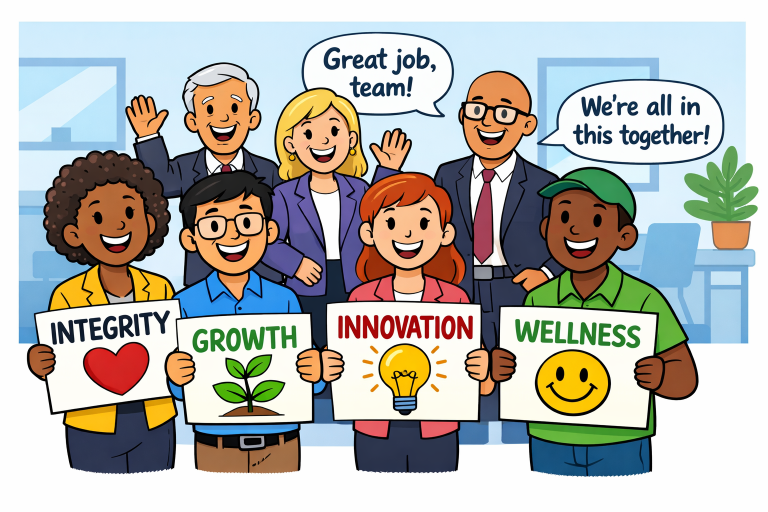
A clear set of company values is the foundation for attracting and retaining employees who share a similar outlook. Candidates are increasingly scrutinizing corporate missions, social responsibility initiatives, and ethical standards before deciding to accept an offer. When these values are authentically lived out and communicated throughout the organization, employees experience a deeper connection to their workplace, which enhances engagement and lowers turnover. As discussed in Forbes, companies that articulate and embody strong values can better compete for talent in a crowded market.
Transparency around company values can set an organization apart. Frequent communication, leadership alignment, and tangible demonstration of these principles, such as supporting charities, adopting ethical sourcing practices, or participating in environmental initiatives, make these values real for both current and prospective employees. When employees observe their leaders consistently living out these principles, trust solidifies, and an authentic culture is established. Additionally, weaving values into everyday work not only differentiates the company externally but also gives internal teams a shared sense of mission, guiding decision-making and fostering loyalty.
Offering Competitive Compensation
Providing a salary and benefits package that exceeds or at least matches prevailing market rates remains a top priority in any talent management strategy. Compensation is not limited to base salary but includes bonuses, health benefits, pension plans, and unique perks relevant to the workforce. Regularly benchmarking compensation against industry standards and adjusting packages to remain attractive is essential. When employees feel their contributions are well compensated, they are more likely to remain loyal and engaged with their employer.
Leading companies are also finding success with more creative compensation strategies tailored to individual goals. For example, offering equity stakes or profit-sharing options can give high performers a direct stake in the company’s success. Personalized perks, such as wellness subsidies, flexible PTO, or student loan repayment assistance, demonstrate a commitment to employees’ broader financial health. Importantly, transparent conversations around compensation foster trust and help set realistic expectations, reducing dissatisfaction and turnover.
Providing Career Development Opportunities
High achievers are drawn to roles that offer learning, clear advancement pathways, and meaningful challenges. Employers who offer mentorship programs, training sessions, tuition reimbursement, and leadership opportunities demonstrate a commitment to nurturing talent from within. These investments support succession planning and create long-term loyalty among ambitious professionals. According to Harvard Business Review, a lack of career development is among the top reasons employees consider leaving their jobs.
Development opportunities must be personalized to address each employee’s strengths and long-term interests. Forward-thinking organizations establish regular check-ins, identify skills gaps, and work with team members to create individualized learning roadmaps. Sponsoring attendance at conferences or certifications relevant to employees’ specific roles demonstrates an authentic investment in each person’s growth. This not only enhances the company’s overall knowledge base but also creates skilled internal candidates for more senior roles, reducing the need for external hiring and increasing organizational stability.
Fostering a Positive Work Culture
Cultivating a workplace where all employees feel respected, included, and supported is increasingly important. Open communication, trust between leadership and staff, and systems that promote work-life balance have become major differentiators. Companies are also investing in diversity, equity, and inclusion initiatives to ensure every employee thrives. Positive work cultures foster higher morale, better collaboration, and increased productivity, ultimately bolstering retention rates.
Engagement surveys, employee resource groups, and leadership visibility are effective tools for assessing and enhancing workplace culture. Consistently recognizing achievements, big and small, helps foster a sense of belonging, while celebrating cultural diversity invites greater inclusion. In addition, conflict mediation and accessible feedback channels empower employees to voice concerns, ensuring the environment remains supportive. A strong culture both attracts like-minded talent and becomes a magnet for referrals, further strengthening the workforce from within.
Implementing Flexible Work Arrangements
Expectations for flexible work have evolved in recent years, with remote and hybrid models rapidly becoming standard offerings. Providing flexible hours or the option to work from home helps attract candidates who value autonomy and need accommodations for personal responsibilities. Organizations embracing this shift often see greater job satisfaction and reduced absenteeism. Flexibility is no longer a luxury but a key consideration for top-tier talent when selecting an employer.
In addition to remote options, companies may implement core meeting hours, job-sharing arrangements, or even results-oriented performance models that de-emphasize rigid scheduling. Measuring outcomes rather than presenteeism empowers employees to work at their best times, driving overall productivity. Flexibility around location, workload, and schedules demonstrates trust in employees’ ability to manage their own contributions, reinforcing loyalty and attracting broader talent pools, including those previously excluded by traditional work structures.
Leveraging Technology in Recruitment
Technology is revolutionizing recruitment by streamlining the hiring process and delivering a better candidate experience. Applicant tracking systems, AI-powered candidate screening, and video interviewing tools help recruiters efficiently identify strong matches for open roles. In addition, digital onboarding platforms and mobile-friendly application processes can provide a seamless transition for new hires. Staying at the forefront of recruiting technology allows companies to access broader talent pools and reduce the time-to-hire.
Moreover, advanced analytics and machine learning technologies enable recruiters to identify key trends and gather real-time data on candidate sources, optimizing future recruitment cycles. Social media platforms and professional networking sites also provide companies with greater reach, enabling them to target passive talent who might not otherwise see traditional job listings. By keeping up with tech advancements, organizations can streamline processes, reduce unconscious bias, and deliver a fairer, more engaging hiring experience.
Prioritizing Employee Well-being
Supporting employee wellness is no longer an afterthought. Companies are taking a holistic approach by offering robust mental health resources, wellness stipends, flexible leave policies, and creating a psychologically safe work environment to address burnout and foster a sense of belonging, thereby sustaining both productivity and satisfaction among employees. As noted by Forbes, employers that invest in employee well-being see substantial returns in loyalty and productivity.
Effective well-being programs are personalized and inclusive. Companies may offer access to counseling services, support groups, ergonomic workspaces, fitness programs, and regular wellness challenges to encourage participation from all employees. Regularly soliciting feedback on well-being initiatives enables organizations to adjust and innovate their offerings in response to evolving needs. By normalizing conversations around mental health and self-care, employers create a positive, stigma-free environment, ensuring top talent feels valued and supported well beyond their day-to-day tasks.
Conclusion
Companies that prioritize strong values, market-leading compensation, professional development, positive culture, flexibility, technology, and well-being are positioned to thrive in today’s competitive talent landscape. Embracing these strategies not only attracts the best people but also nurtures them into long-term advocates and contributors, building a resilient and forward-thinking organization.
As talent continues to shape the future of business, organizations must remain agile, listening to employee feedback and market trends to adapt quickly. The most successful employers are those willing to invest in every stage of the employee lifecycle, and in doing so, cultivate a reputation as industry leaders that the next generation of talent aspires to join.

MOBI ROLLER is a tech enthusiast with a background in technology. He writes about the latest trends, tools, and innovations in the tech world, sharing insights based on both knowledge and experience.