

Key Takeaways
- Always stay calm and assess the situation carefully.
- Move your vehicle to a safe location if possible.
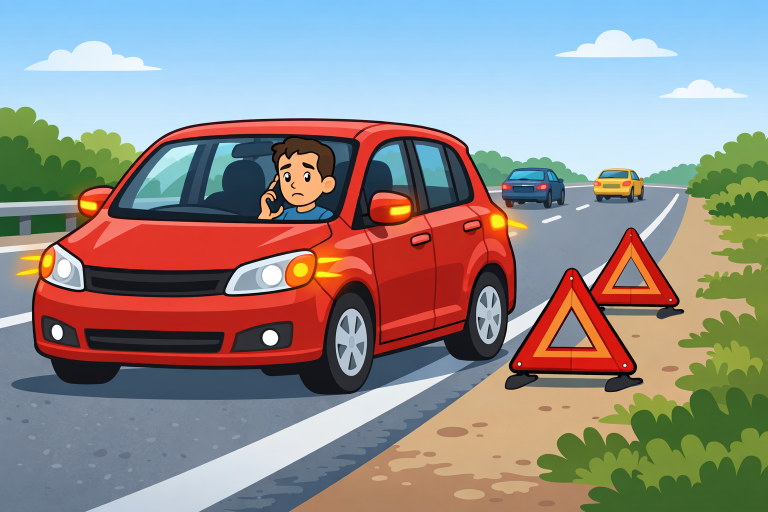
- Use hazard lights and warning devices to alert other drivers.
- Stay inside your vehicle unless it is unsafe to do so.
- Keep an emergency kit in your vehicle at all times.
Roadside emergencies are unpredictable and can happen to even the most experienced drivers. Whether it’s a flat tire on a deserted road or your engine suddenly shuts down during rush hour, knowing how to react is crucial for your safety and the well-being of those around you. For those in the Knoxville area, emergency roadside service provides an added layer of reassurance, but every driver should be prepared to handle situations until professional help arrives.
While modern vehicles are reliable, the possibility of a breakdown is never fully eliminated. Staying prepared and calm can help reduce stress, avoid unnecessary risks, and make a difficult experience more manageable for everyone involved.
If you encounter a vehicle breakdown, the first step is to check your surroundings and quickly determine the safest response. Roadsides can be hazardous, especially during poor visibility or heavy traffic. Your calm demeanor will help you think clearly and prioritize actions to prevent accidents and injuries.
After confirming that you, your passengers, and your vehicle are not in immediate danger, consider your communication options. Call for professional help if necessary, and be ready to give your location and describe the situation clearly.
For situations that may require on-the-spot repairs, a reliable mobile repair service can bridge the gap between roadside safety and getting back on the road swiftly. Being prepared with basic emergency supplies and knowledge of local roadside assistance options can make a significant difference in handling unexpected breakdowns safely and efficiently.
Assess the Situation Calmly
At the earliest sign of mechanical trouble, note your surroundings and attempt to stay composed. This will help you make quick decisions, such as determining whether you can safely pull over or need to stop immediately. Avoid abrupt maneuvers and do not slam the brakes unless necessary, as panicked actions may lead to secondary collisions or create more hazardous situations for other drivers.
Calmly evaluate any sounds, warning lights, or sensations coming from your vehicle. Use your hazard lights to communicate distress while deciding next steps. If you have passengers, convey what is happening and offer assurance while instructing them to remain seated with their seatbelts on.
Move to a Safe Location
If your vehicle is still drivable, steer it to the nearest shoulder, parking lot, or a wider part of the roadway. The right shoulder is typically safest, but always be mindful of visibility and traffic flow. Stopping in a blind curve or near a hillcrest should be avoided when possible. If you cannot move your vehicle, turn on your hazard lights, engage your parking brake, and stay inside until further help arrives.
It is wise to memorize or keep a written copy of local non-emergency road assistance numbers for faster service and less stress during emergencies.
Alert Other Drivers
Use your vehicle’s hazard lights as soon as you realize you have an emergency. These lights help other drivers see you from a distance and take precautions as they approach. If you have safety supplies in your kit, place reflective triangles or flares at least 50 to 100 feet behind your car, facing traffic. These actions significantly improve your visibility, especially at night or in adverse weather conditions.
Using proper signals and visibility tools is a critical factor in preventing further accidents during roadside emergencies.
Stay Inside the Vehicle
In most scenarios, your car provides the safest shelter until help arrives. Keep your seatbelts fastened and doors locked. Only leave the vehicle if there is a significant and immediate threat, such as smoke, fire, or hazardous materials. Exiting your vehicle unnecessarily near moving traffic places you at serious risk of being struck.
If you must exit, do so carefully and away from traffic. Guide passengers out of the vehicle on the non-traffic side whenever possible, and move to a safe location away from the road and behind a barrier if available.
Maintain an Emergency Kit
An effective emergency kit can be your best ally during unexpected breakdowns. Essential items include:
- Flashlight with extra batteries
- Reflective triangles or flares
- First aid supplies
- Jumper cables
- Non-perishable snacks and water
- Blanket or emergency poncho
- Multi-tool or wrench
Update your kit regularly to replace expired items or depleted batteries. For parents or pet owners, consider adding special supplies, such as formula, diapers, or pet food, to your kit.
Avoid Common Mistakes
Some errors can make a roadside emergency worse. The most frequent mistakes include standing or walking too close to moving traffic, attempting repairs you are not trained for, or forgetting to keep your vehicle in park with the brake engaged. Resist the temptation to use your mobile phone for anything beyond essential communication. Avoid distractions and remain focused on safety until help arrives.
- Do not stand between vehicles or in high-traffic lanes.
- Avoid making complex repairs that could place you at risk or worsen the problem.
- Never leave your vehicle unattended on the road unless absolutely necessary.
- Keep emergency and roadside contact numbers accessible to avoid delays in calling for help.
Conclusion
A roadside emergency can be managed safely if you stay calm, stay visible, and use the right resources. Regular maintenance, carrying a tailored emergency kit, and following practical safety guidelines are critical for every driver. Preparedness transforms potential crises into manageable situations, ensuring the safety of both you and your passengers while help is on the way.

MOBI ROLLER is a tech enthusiast with a background in technology. He writes about the latest trends, tools, and innovations in the tech world, sharing insights based on both knowledge and experience.